Plan to live-stream US execution tests Southeast Asia’s content curbs
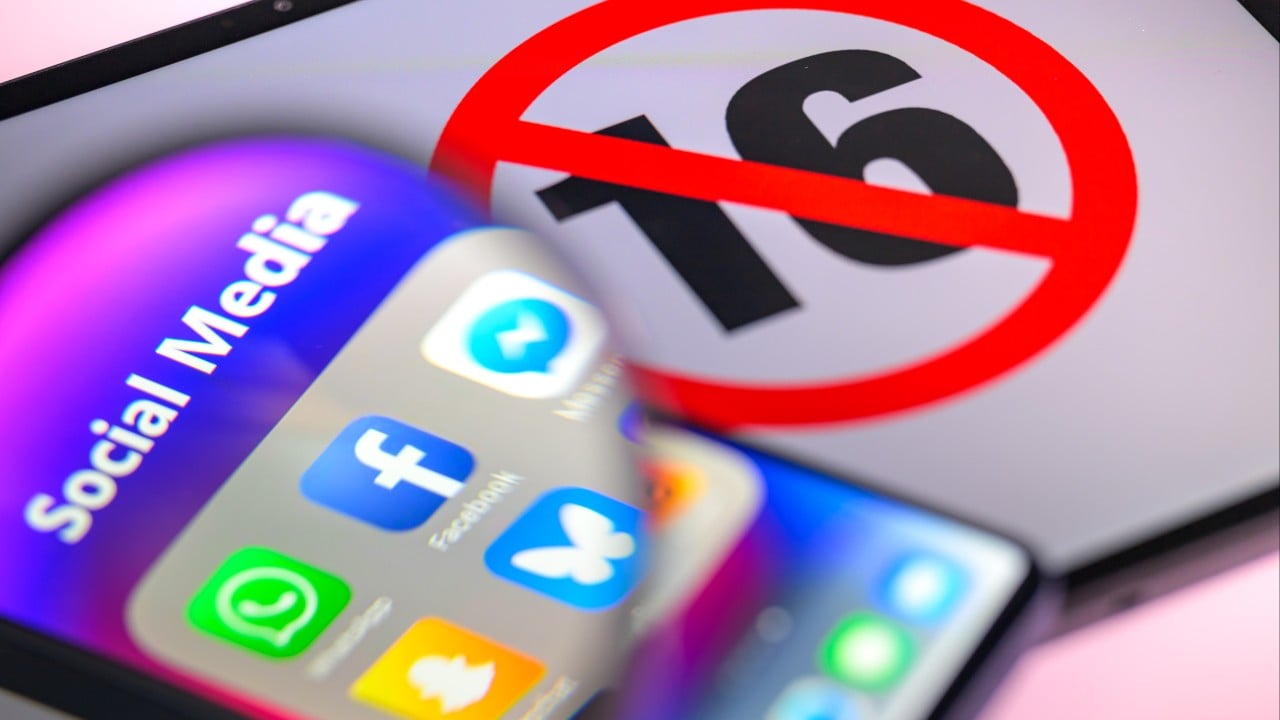
The US government’s plan to live-stream the execution of a former Army member convicted in a deadly 2009 mass shooting is raising questions about how effectively Southeast Asian governments can restrict graphic online content.
Analysts say while authorities may have powers to restrict access to the live stream, containing clips and altered copies of the killing posted to social media could prove far more difficult.
The issue gained fresh urgency on Tuesday, after Australia’s Environment Minister Murray Watts condemned the proposed broadcast as “disgusting”.
Australia’s online regulator, eSafety, told Agence France Presse it lacked the power to prevent the live stream, but stressed that online services had a responsibility to protect users from harmful content.
New Zealand’s Classification Office had earlier said it could not classify a live stream while it was taking place and lacked the authority to block access to such an event.
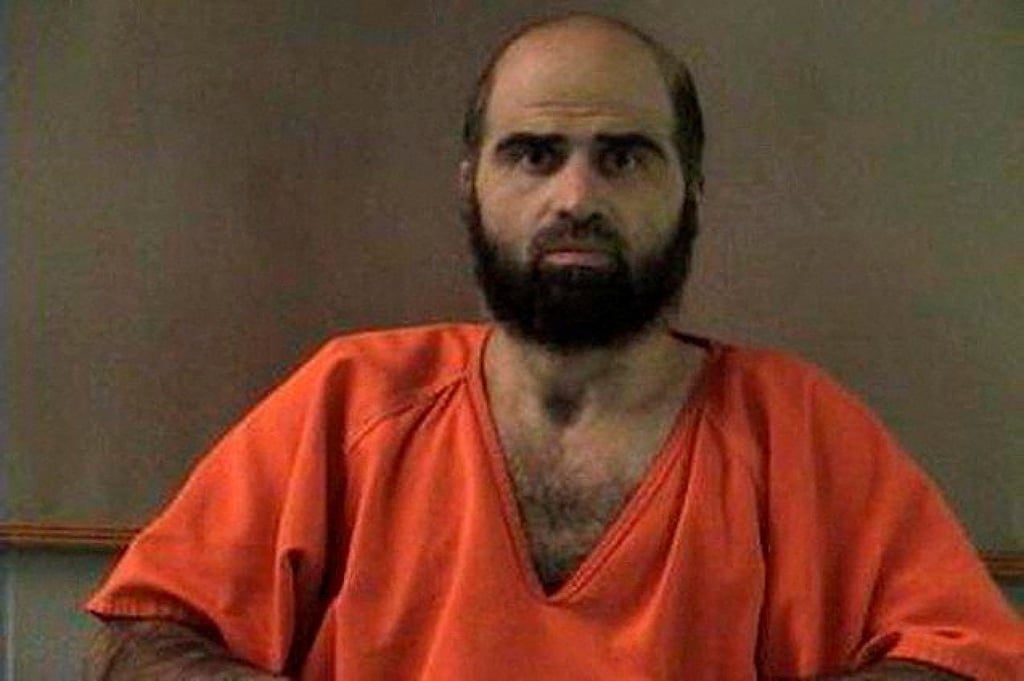
Nidal Hasan, a former US Army psychiatrist convicted of killing 13 people in a 2009 shooting at the Fort Hood military base in Texas, is scheduled to be executed by firing squad on December 3. US Defence Secretary Pete Hegseth said the execution would be live-streamed, and the Pentagon subsequently confirmed the plan.
US President Donald Trump said on Saturday he had not made a final decision on whether the execution would be live-streamed, despite his comments a day earlier approving the broadcast, leaving the plan’s current status uncertain.
Details of how the broadcast will be distributed also remain unclear.
In Southeast Asia, existing rules provide potential avenues for restricting access, but analysts say whether authorities invoke them depends on their assessment of the broadcast, how it is presented and where it appears.
Benjamin Ang, head of the Centre of Excellence for National Security at Singapore’s S. Rajaratnam School of International Studies, said regulators would first need to determine whether the broadcast warranted restrictions.
“Regulators and platforms would then need to coordinate to pre-identify when and where the live stream will take place so they can effectively detect the live stream and block access to it in their countries,” he said.
Powers to restrict
In Singapore, the Internet Code of Practice requires licensed providers to comply with rules on prohibited material. For websites, internet access providers meet their obligations by denying access to sites notified by the Infocomm Media Development Authority (IMDA) as containing such material.
The code considers whether content depicts “detailed or relished acts of extreme violence or cruelty”, alongside any intrinsic medical, scientific, artistic or educational value. These are assessment criteria, rather than an automatic requirement for blocking an execution broadcast.
Malaysia’s Online Safety Act provides for the Malaysian Communications and Multimedia Commission (MCMC) to order licensed platforms or network providers to restrict access. This follows MCMC’s assessing a user report and determining on reasonable grounds that the content is harmful.
The law covers material that may incite violence or terrorism, promote public hostility or disturb public tranquillity, but does not specifically list execution live streams.
Indonesia’s Ministerial Regulation No. 5 of 2020 on Private Electronic-System Operators, amended in 2021, requires operators to prevent the distribution of prohibited material, including content that relevant authorities classify as unsettling the public and disrupting public order.
Operators must comply with takedown orders within 24 hours of receipt. In urgent cases, they must act without delay, and no later than four hours after receiving a warning. Failure to comply can lead to access blocking, including through internet service providers.
These deadlines, however, do not shield viewers from a short live event. This Week In Asia has reached out to IMDA, MCMC and Indonesia’s Communications and Digital Ministry for comment.
Beyond the original stream
Even if access to the original broadcast were restricted, recordings and excerpts could spread elsewhere, creating a separate challenge for regulators and platforms.
Drawing on lessons from Islamic State beheadings and the Christchurch terrorist massacre, Ang said regulators should work across platforms to limit resharing, while services should use machine learning to detect altered copies of the footage.
Platforms must also “downgrade related search terms, and de-monetise and disable offending accounts”, he said.
“It may be impossible to stop every instance of the live stream, but countries can do as much as they can to reduce the harm to their populations.”

Benjamin Y.H. Loh, a communications and media scholar at Monash University Malaysia, said containing reposted footage could become “a cat-and-mouse game”, with social media users uploading clips of the event to spoof platforms’ detection efforts.
He also pointed to the Christchurch attack, where redistribution of footage on the massacre became a major content-moderation challenge. Clips were altered with music, sped up or mirrored before being uploaded in attempts to evade platform moderators and automated detection tools.
However, advance notice would allow platforms to prepare for the broadcast, Loh said. “You need to have a lot of human moderators on standby to handle the incoming reports.”
He said moderators could also monitor retransmission of footage, citing how illegal live streams of World Cup matches in June and July were quickly discovered and blocked or banned.
“It’s not going to be instantaneous, of course,” he said. “There will definitely be a few that will go through the cracks.”
Loh also cautioned that a broadcast showing the execution directly versus an indirect account of proceedings would raise different questions.
“The platforms’ decisions really depend on the material and how they apply their own Terms of Service,” he said.
Propaganda tool
The risks of broadcasting or live-streaming Hasan’s execution could extend beyond exposure to graphic imagery, as experts warn the footage could also be used to promote extremist narratives.
“Some of the accounts that clip or repost the original live stream may do so to advocate violence or incite hate against certain races or religions,” Ang said, adding that community and religious leaders and educators could help raise public awareness of the dangers of such content.
But for political scientist Bilveer Singh, live-streaming the execution would simply reinforce anti-West or anti-American views among extremist actors and susceptible audiences in Southeast Asia.
“It will also complicate ongoing deradicalisation efforts that Singapore, Malaysia and Indonesia have been pursuing, because if this execution goes through, it provides extremists with material to exploit,” he said.
Analysts warn that extremist sympathisers could also portray Hasan as a martyr, regardless of his crimes.
“Therein lies a radicalisation toolkit for these people,” Bilveer said.
For Ang, the practical objective is reducing harm rather than promising complete containment.
“It may be impossible to stop every instance of the livestream, but countries can do as much as they can to reduce the harm to their populations,” Ang said.
KioskNews shows a cleaned-up reading view extracted from the publisher’s page — the original always lives on their site, not ours.