Officials warn of poisonous wild mushrooms during rainy season
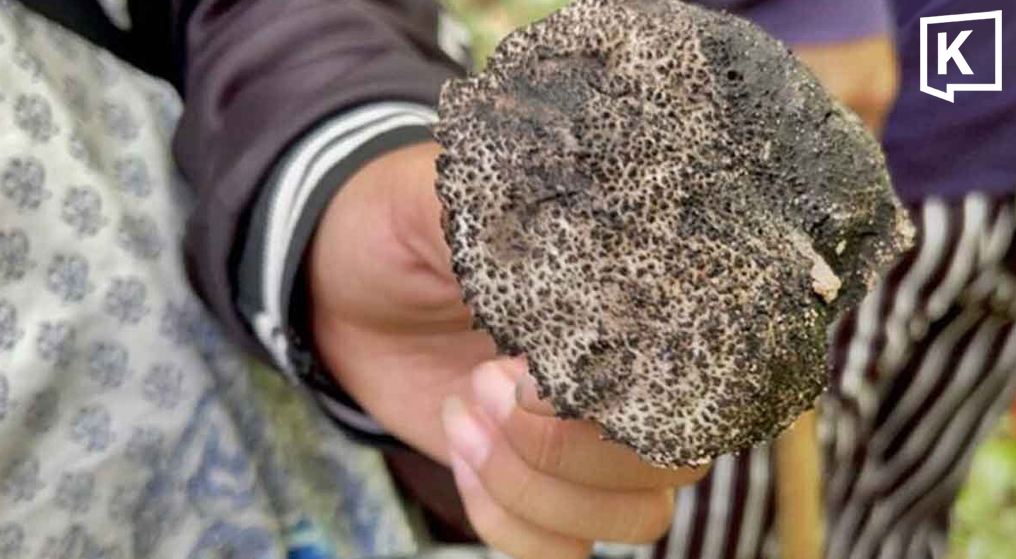
NAKHON RATCHASIMA — 21 September 2026, Health officials are warning people to be cautious when collecting or eating wild mushrooms during the rainy season, as poisonous varieties can closely resemble edible ones and have already caused hundreds of illnesses in northeastern Thailand this year.
Dr. Sailak Phimkhao, director of the Office of Disease Prevention and Control Region 9 in Nakhon Ratchasima, said large numbers of both edible and poisonous wild mushrooms grow naturally during the rainy season.
Some poisonous mushrooms look very similar to edible varieties, particularly when they are still young. People who are unfamiliar with a mushroom or unsure whether it is safe should not collect, buy or eat it, he said.
Mushrooms requiring particular caution include poisonous Amanita species, which may resemble edible white Amanita mushrooms, as well as other poisonous varieties that can be mistaken for edible mushrooms.
Dr. Sailak warned people not to rely solely on a mushroom’s shape, color or past experience when deciding whether it is safe.
He also urged people not to trust traditional methods claimed to identify poisonous mushrooms, such as boiling mushrooms with rice, shallots or garlic and checking for color changes, dipping silver spoons or utensils into the cooking pot, or checking whether mushrooms have been bitten by insects or animals.
These methods cannot confirm whether a mushroom is poisonous. Cooking does not necessarily make poisonous mushrooms safe to eat either, as some mushroom toxins can withstand heat.
Data from the epidemiology group covering Health Region 9 from January through 21 September 2026 showed 335 cases of mushroom-related food poisoning and one death.
Chaiyaphum recorded 188 cases and one death, followed by Surin with 65 cases, Buriram with 58 and Nakhon Ratchasima with 24. No deaths were reported in the latter three provinces.
Most patients were women, with people aged 65 and older accounting for the largest age group, followed by those aged 55-64. Many patients were agricultural workers growing field and vegetable crops.
Dr. Sailak said anyone who develops symptoms such as dizziness, nausea, vomiting, abdominal pain or diarrhea after eating mushrooms should seek medical attention immediately rather than waiting to see whether the symptoms improve.
Patients should tell medical staff what mushrooms they ate and, if possible, bring leftover mushrooms from the meal or photographs of them to assist with diagnosis.
People who ate mushrooms from the same source should also be informed and advised to monitor themselves for symptoms.
People should not induce vomiting by putting their fingers down their throat or consuming raw egg whites, as this can cause choking and other complications, health officials warned.
The public is advised to buy and eat mushrooms from reliable cultivated sources and avoid collecting or eating unfamiliar wild mushrooms.
Officials also advised against collecting mushrooms from areas where chemicals have been used, eating mushrooms raw or undercooked, and consuming wild mushrooms together with alcoholic beverages, as some varieties may react with alcohol and cause adverse symptoms.
Health officials reiterated the message: “Unknown mushroom, uncertain mushroom — don’t pick it, don’t eat it.”
Anyone who develops unusual symptoms after eating mushrooms should seek medical attention immediately. More information is available from the Department of Disease Control hotline at 1422.
KioskNews shows a cleaned-up reading view extracted from the publisher’s page — the original always lives on their site, not ours.