Hong Kong proposes tougher building safety penalties after deadly Tai Po blaze
Hong Kong authorities have proposed tripling the maximum fine for using defective materials or seriously deviating from approved construction plans, from HK$1 million to HK$3 million (US$382,437), as part of a sweeping overhaul of building safety rules following the deadly Tai Po fire last year.
The Development Bureau also said on Friday that the government would issue a technical memorandum clearly defining the responsibilities of authorised people and technical directors to prevent professionals from shirking accountability.
The reforms follow last November’s blaze at Wang Fuk Court, which killed 168 people and displaced nearly 5,000 residents. Multiple safety violations were found to have exacerbated the fire, including the use of flammable scaffolding netting and foam boards covering windows.
Alongside the proposed increase in the maximum fine, the amendments to the Buildings Ordinance would retain the maximum prison term of three years.
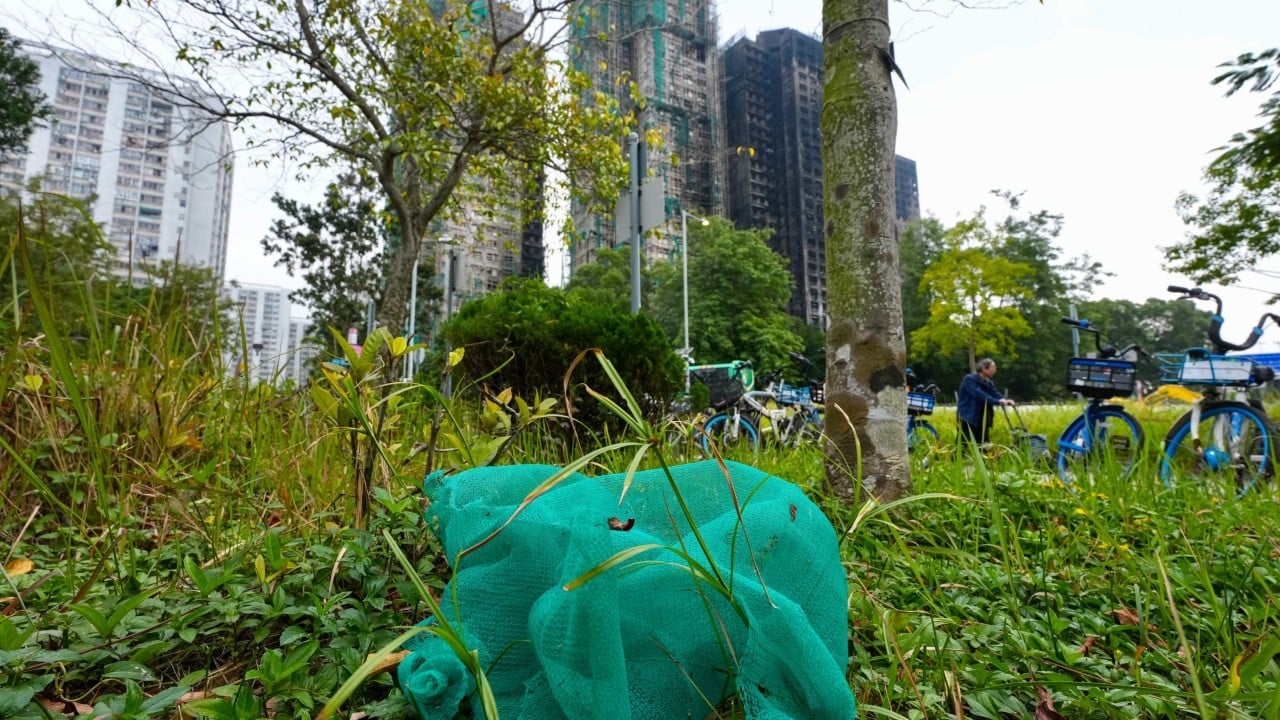
“We propose increasing the penalty for using defective materials, such as substandard scaffolding nets,” a bureau spokesman said.
Asked whether the proposed penalty would be sufficiently tough, the spokesman said it struck a reasonable balance between competing considerations.
The bureau also proposed increasing the maximum penalty for professionals or contractors who carry out building works dangerously, from a fine of HK$1 million and three years in prison to a fine of HK$10 million and five years’ imprisonment.
An independent committee investigating the Tai Po fire identified four human factors behind the blaze: workers’ smoking habits; the use of unsafe materials, including non-fire-retardant scaffolding nets, canvas and foam boards; temporary access openings cut into emergency staircases in place of fireproof windows, which allowed toxic smoke and flames to spread into the buildings; and the unauthorised shutdown of fire safety systems.
The committee’s report also blamed project consultant Will Power Architects and contractor Prestige Construction and Engineering for the tragedy.
The findings prompted widespread calls for the government to strengthen building safety and tighten oversight of contractors and professionals.
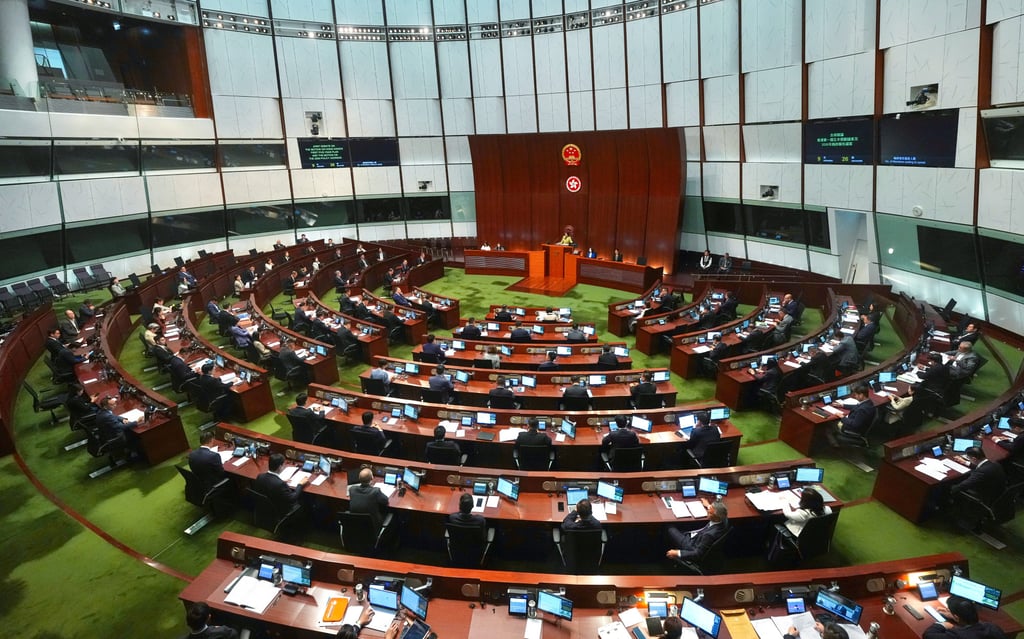
The bureau said the government planned to table the amendment bill in the Legislative Council in January, with passage expected by mid-2027.
The proposed technical memorandum would set out the duties of authorised people and technical directors.
“We will set out the duties of various stakeholders, including authorised people such as how often they must conduct site visits and for how long to ensure clearer accountability,” the bureau spokesman said.
Estates currently need only notify the Buildings Department before starting renovation work, rather than obtaining prior approval. This arrangement allowed maintenance work to be carried out across all blocks at Wang Fuk Court simultaneously.
Under the proposed amendments, professionals would have to submit prescribed plans and supervision plans before work began. Permits would be granted only after the Buildings Department and other authorities approved the proposed construction, supervision and safety arrangements, the spokesman said.
The bureau also proposed requiring authorised people, who have broader project experience and capabilities, to replace registered inspectors as the professionals responsible for supervising large-scale building maintenance work.
KioskNews shows a cleaned-up reading view extracted from the publisher’s page — the original always lives on their site, not ours.