Why students in ancient China honoured teachers by gifting wild vegetables
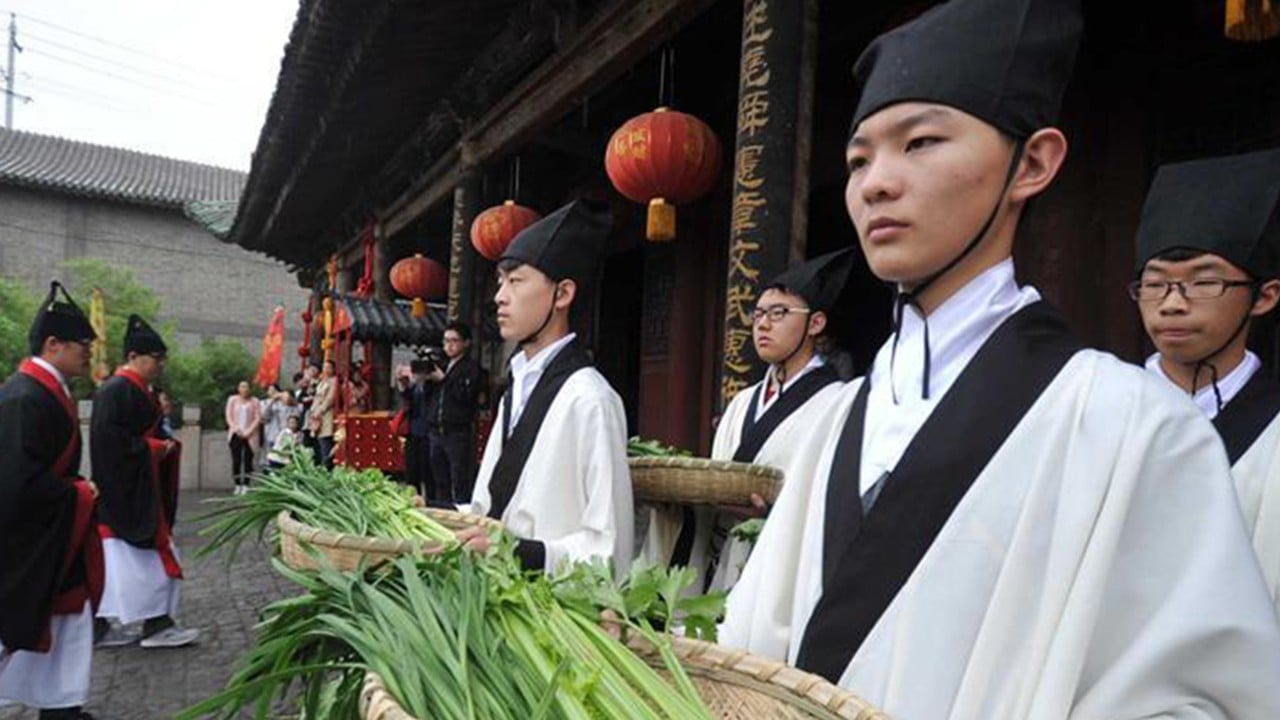
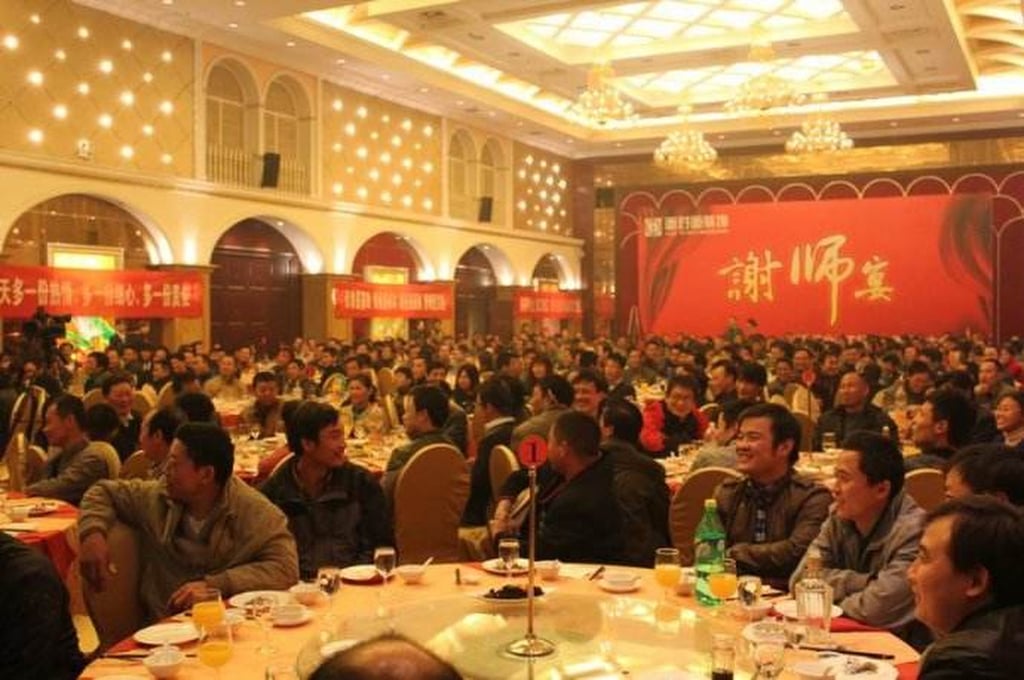
While it is common for Chinese people to hold banquets for teachers upon graduation as a way of honouring them – a traditional value – in ancient China, students expressed their respect for teachers differently: by presenting them with vegetables.
The tradition began in the Zhou dynasty (1046–256 BC). On the first day of school, students wore blue gowns and brought their teachers wild vegetables they had gathered themselves. They then bowed reverently before memorial tablets honouring ancient sages. The ceremony was followed by a group dance, which also expressed the students’ respect for their teachers and their dedication to their studies.
Not just any vegetables could be presented to teachers on this day. Water celery and white wormwood were preferred because they were seen as clean, fragrant and ethereal, symbolising the students’ pure pursuit of knowledge.
The tradition is said to have originated with Yan Hui, Confucius’ favourite disciple.
There was a time when Confucius was living in poverty. Although he could not afford meals for himself and his students, he remained steadfast in his habit of playing an instrument in his room.

While the other students began to feel apprehensive, only Yan Hui supported Confucius without a shadow of a doubt. Every day, he gathered wild vegetables and placed them outside his teacher’s door as a sign of respect.
The tradition declined during the Han dynasty (202 BC–220), as the school-opening ceremony became more elaborate, with cows, goats and pigs offered. The ceremony was also regarded as one of the four great ceremonies in a person’s life, alongside the coming-of-age ceremony, wedding and funeral.
During the Tang dynasty (618–907), students usually offered dried meat, wine and fabrics to their teachers on the first day of school.
The vegetable-presenting tradition is said to have been revived during the Song dynasty (960–1279) and Ming dynasty (1368–1644), when philosophers such as Zhu Xi and Wang Yangming developed Neo-Confucianism.
Confucius and Yan Hui were also among the ancient sages whom students honoured at the ceremonies.
While Chinese schools today begin the academic year in September, in ancient times there was no uniform school-opening date. It could fall in January, August or November of the Chinese lunisolar calendar – all months outside the farming season.
This also helped ensure that students could focus on their studies.
In modern times, presenting vegetables on school-opening days is no longer a widespread custom, although some schools, from primary schools to universities, ask students to present vegetables to Confucius to teach them the traditional values of respecting teachers and valuing knowledge.
Compared with a teacher-appreciation banquet, the vegetable-presenting ceremony is considered more frugal and a display of the noble virtue of academic pursuit.
KioskNews shows a cleaned-up reading view extracted from the publisher’s page — the original always lives on their site, not ours.