Hongkongers need more than 4 walls and a roof to make a home
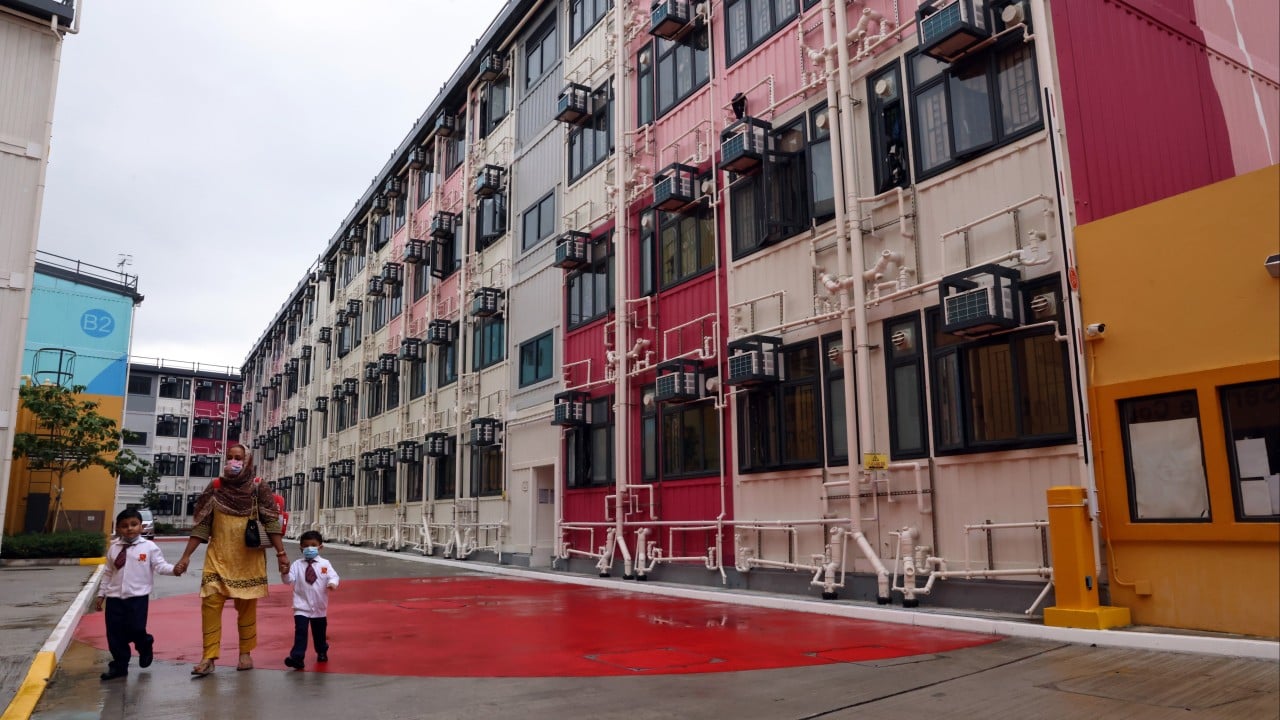
What kind of living space can truly be called a “home”? That was the question on my mind when I visited United Court, a transitional housing estate in Tung Tau, Yuen Long, run by the Hong Kong Sheng Kung Hui Welfare Council. While there, I shared my thoughts on building a mental health-friendly community.
Nine years ago, I took part in a community-based poverty study and interviewed residents in inadequate housing. I still remember families describing their living space as little more than a bed. Some people shared kitchens and toilets; interiors were dim and cramped.
When life is compressed into limited space over the long term, what suffers is rest, study, family time and the mental health we so often overlook. The mental health problems of many residents, especially young children, are closely tied to poor living environments.
United Court shows what collaboration among government, business and the community can achieve. A developer lent the land and provided early planning support, the government funded construction and Sheng Kung Hui handled planning, construction, operation and management.
According to the Housing Bureau, the project took about a year from commencement to completion. That speed is worth reflecting on. Many Hong Kong social problems are not unseen; the slow part is moving from seeing a problem to coordinating resources and implementing solutions.
When land, engineering, resources and human needs are placed on the same table and innovative construction methods are brought in, complicated tasks can move faster. However, speed is not the most instructive part; the “people” element is.
Walking through the units, seemingly unremarkable design details left the deepest impression: daylight through the windows, the position of the kitchen, the height of power sockets, storage space at the entrance and so on. These details directly affect daily convenience and whether the space works.
This brings to mind a saying often heard in social services: “Nothing about us without us.” When it comes to deciding whether a flat is good to live in, those with the most say should be the people who cook, rest, care for children and live there every day. Ideal home design is not just about solving problems for people but about letting residents’ voices become part of the design
Beyond residential units, United Court provides a community services building, a large plaza and other shared facilities. For children, more activity space means no longer using the bed as both desk and playground. For the elderly, public spaces and benches beneath the trees increase chances of meeting and chatting with neighbours.
These examples might look like mere hardware and spatial planning, yet they create opportunities for people to interact. Improved housing means more than a nicer flat – it offers a chance to rebuild relationships with family, neighbours and the community.
The results are telling: a survey of residents found anxiety risk among respondents fell from 15.5 per cent before moving in to 11.8 per cent after. The overall score for housing security rose from 3.14 to 4.06. Willingness to take part in community activities rose from 2.83 to 3.69. The numbers matter less than the change they represent.
When a person moves from worrying whether their home is stable to being willing to take part in the community around them, that is precisely the journey from “having a place to live” to “I belong here”. When residents begin to know their neighbours, join activities and even help others, they go beyond being recipients of services to become part of the community.
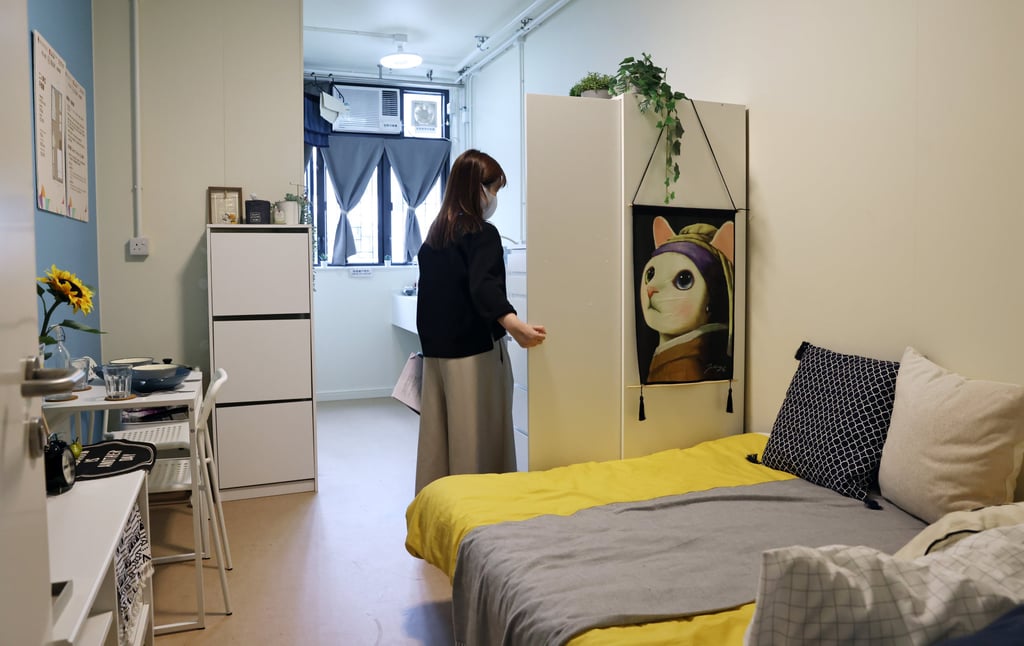
That sense of a role and value cannot be measured in square feet, but it marks a step up from just settling in to achieving peace of mind. At United Court, a dedicated team of professionals provides support to residents with different needs.
Transitional housing is, after all, only a temporary solution. Residents must eventually face their next housing arrangement, so a long-term housing policy is indispensable.
The United Court experience also prompts us to consider whether housing policy, in addition to concerning itself with how many units can be provided, might ask one more question: how can a more stable living environment help residents accumulate resources and capabilities for the next stage of their lives? The “transitional” descriptor should apply not just to a period of housing but also a time in which people rebuild their lives, relationships and capabilities.
A familiar proverb goes, “It takes a village to raise a child.” It is not only children who need a village, though. Building a community where people can have peace of mind calls for reasonable government policies, business expertise, welfare organisations connecting human needs and, most importantly, residents’ own participation.
Various sectors and residents need to come together to turn a temporary shelter into a community characterised by warmth, support, participation and belonging. That is a beautiful Hong Kong story.
KioskNews shows a cleaned-up reading view extracted from the publisher’s page — the original always lives on their site, not ours.