The 8 Best Books You Probably Had To Read in High School, Ranked

Jeremy has more than 2700 published articles on Collider to his name, and has been writing for the site since February 2022. He's an omnivore when it comes to his movie-watching diet, so will gladly watch and write about almost anything, from old Godzilla films to gangster flicks to samurai movies to classic musicals to the French New Wave to the MCU... well, maybe not the Disney+ shows.
His favorite directors include Martin Scorsese, Sergio Leone, Akira Kurosawa, Quentin Tarantino, Werner Herzog, John Woo, Bob Fosse, Fritz Lang, Guillermo del Toro, and Yoji Yamada. He's also very proud of the fact that he's seen every single Nicolas Cage movie released before 2022, even though doing so often felt like a tremendous waste of time. He's plagued by the question of whether or not The Room is genuinely terrible or some kind of accidental masterpiece, and has been for more than 12 years (and a similar number of viewings).
When he's not writing lists - and the occasional feature article - for Collider, he also likes to upload film reviews to his Letterboxd profile (username: Jeremy Urquhart) and Instagram account.
He has achieved his 2025 goal of reading all 13,467 novels written by Stephen King, and plans to spend the next year or two getting through the author's 82,756 short stories and 105,433 novellas.
Sign in to your Collider account
If you're not wild about reading, but you're in high school, it’s kind of like, “Too bad.” That’s what school tells you. You have to read, or learn something about texts assigned to you, usually in English classes, and maybe for subjects related to history and media studies, too. If you're more into science-focused subjects, then you're probably going to be stuck with textbooks, and textbooks are not what the ranking below is about.
These books are commonly assigned in high school English classes, so plenty of people read them as teenagers, and sometimes quite reluctantly, at that. It’s not exact, but you can sometimes tell which books are often assigned at school because they’ll have slightly lower ratings than you'd expect on a site like Goodreads (alongside a high number of votes). But the following books are pretty great, and are the kind you might even enjoy as a high schooler. Or, if you remember hating any of these back in the day, they could be worth revisiting with fresh – and less jaded/frequently-rolled – eyes.
8 'Frankenstein' (1818)

Of all the books more than a century old that you might encounter in high school, Frankenstein is easily one of the most readable. While it’s not short, it’s also not particularly long, and while not necessarily terrifying as far as horror goes, it is intriguing and timelessly eerie. It also helps that it deals with a lot thematically that'll never really go out of style, or cease being thought-provoking, since Frankenstein is about human nature, life, existence, death, and all sorts of other things.
You probably know all that already. If you somehow didn’t read Frankenstein back in school, you probably know most of that already. Frankenstein has proven influential and often referenced, not to mention adapted quite a bit (though some of those adaptations differ widely from the source material). It’s possible to sympathize with younger readers finding parts of this book a little slow, but readers who get nothing out of it at all are probably going out of their way to “feel” that way, to be perfectly blunt.
7 'The Outsiders' (1967)
S.E. Hinton being a teenager when she wrote The Outsiders is a big factor in why it’s so widely discussed and well-known, since that lends it a certain authenticity. Also, what might seem like immature writing feels more natural, obviously, when things are centered on characters who themselves have some maturing to do. To use a phrase that certainly didn’t exist in the 1960s, it’s a feature rather than a bug.
It is perfect for a young adult novel, and even if you want to look at it through older eyes and critique the conflict and character arcs for being a bit simple… like, you're probably missing the point. All that’s what makes The Outsiders special, and so even if it might feel dated or simplistic in the eyes of an older reader returning to it, there is a timeless appeal here when you consider that a teenager in the 21st century will (in all likelihood) find things to relate to here that a teenager decades earlier could have as well.
6 'The Great Gatsby' (1925)
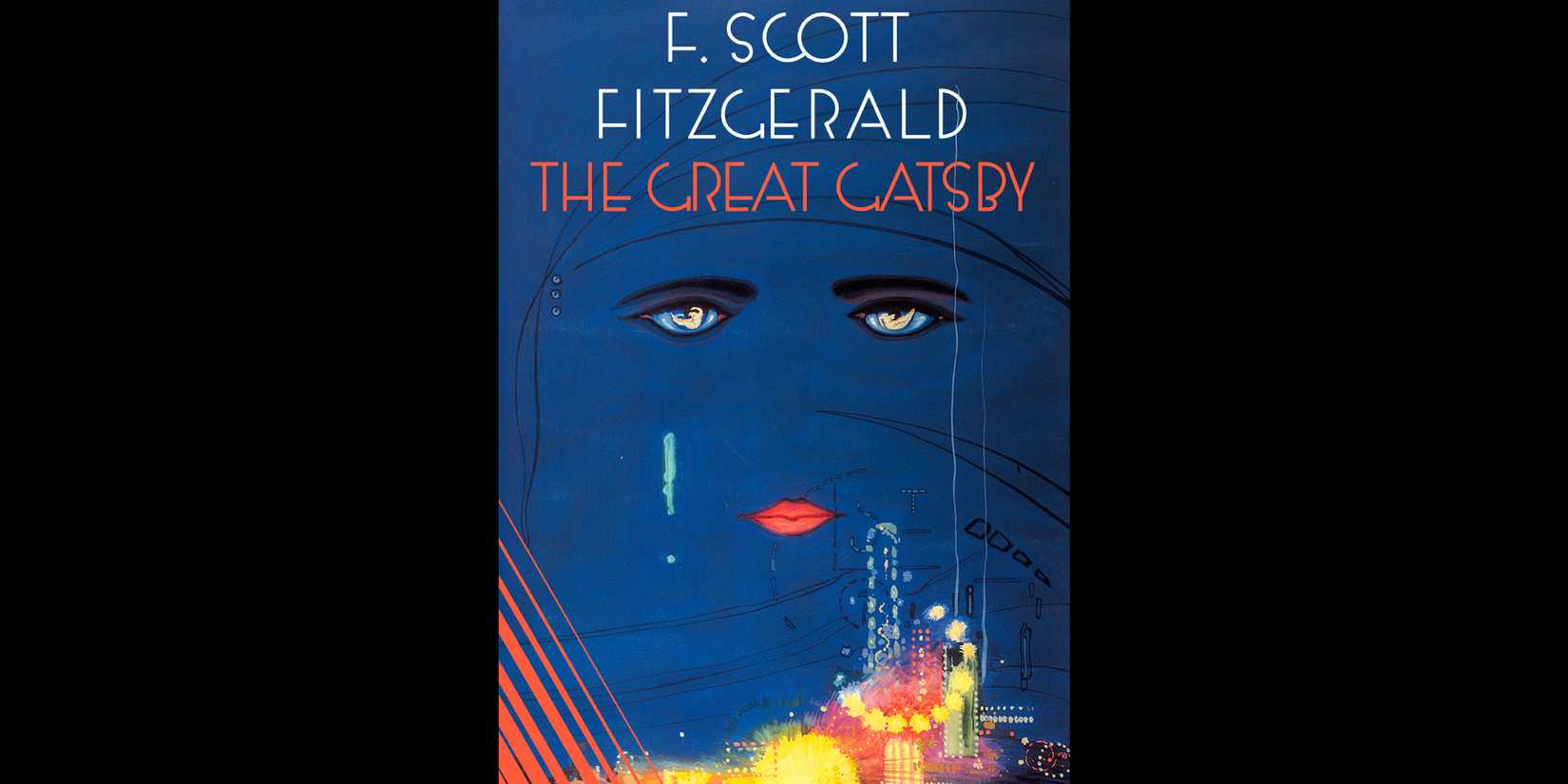
Understatement ahead, but yes, The Great Gatsby is quintessential, as far as 20th century literature goes. It does lay things on pretty thick with its symbolism and what it’s going for thematically, which serves to make it high school-friendly, even if the story is centered on adults and fairly adult things. If there are teenagers relating to all the stuff here about regret and the emptiness of wealth in the same way teenagers would likely relate to some stuff in The Outsiders, then that’s probably cause for alarm, you know?
The Great Gatsby has been hit pretty hard by the “It’s overrated” crowd, so if you're in that group and don’t like it being here, sorry about that. It’s a book that everyone is made to read, and once you have a big enough crowd, dissenters do become objectively more likely. If you hated it in high school, there’s maybe only a slight chance you'll like it more as an adult, but if you somehow weren’t made to study it back in school, and have the opportunity to read it for the first time as an adult, then it’s more than worth doing.
5 'Animal Farm' (1945)

Animal Farm is a novella, rather than a novel, but a novella is still a book, so it can go here and stand alongside a fair few stories that are longer. Some of them don’t have as much to say as Animal Farm, though, which is very economical and more engaging than some give it credit for. It’s mostly allegorical, sure, and that’s why it tends to get praised and studied, but it’s compelling.
“Entertaining” wouldn’t be the right word. Animal Farm is a bit too bleak, so no one’s going to mistake it for something fun, yet it’s not hard to read. You can get a fair bit out of it when you're younger and learning about the ways in which a story can work allegorically, and then there’s naturally more to get out of Animal Farm if you read it when you're older, too (and you will likely blast through it in no more time than you'd spend watching an average-length movie).
4 'To Kill a Mockingbird' (1960)
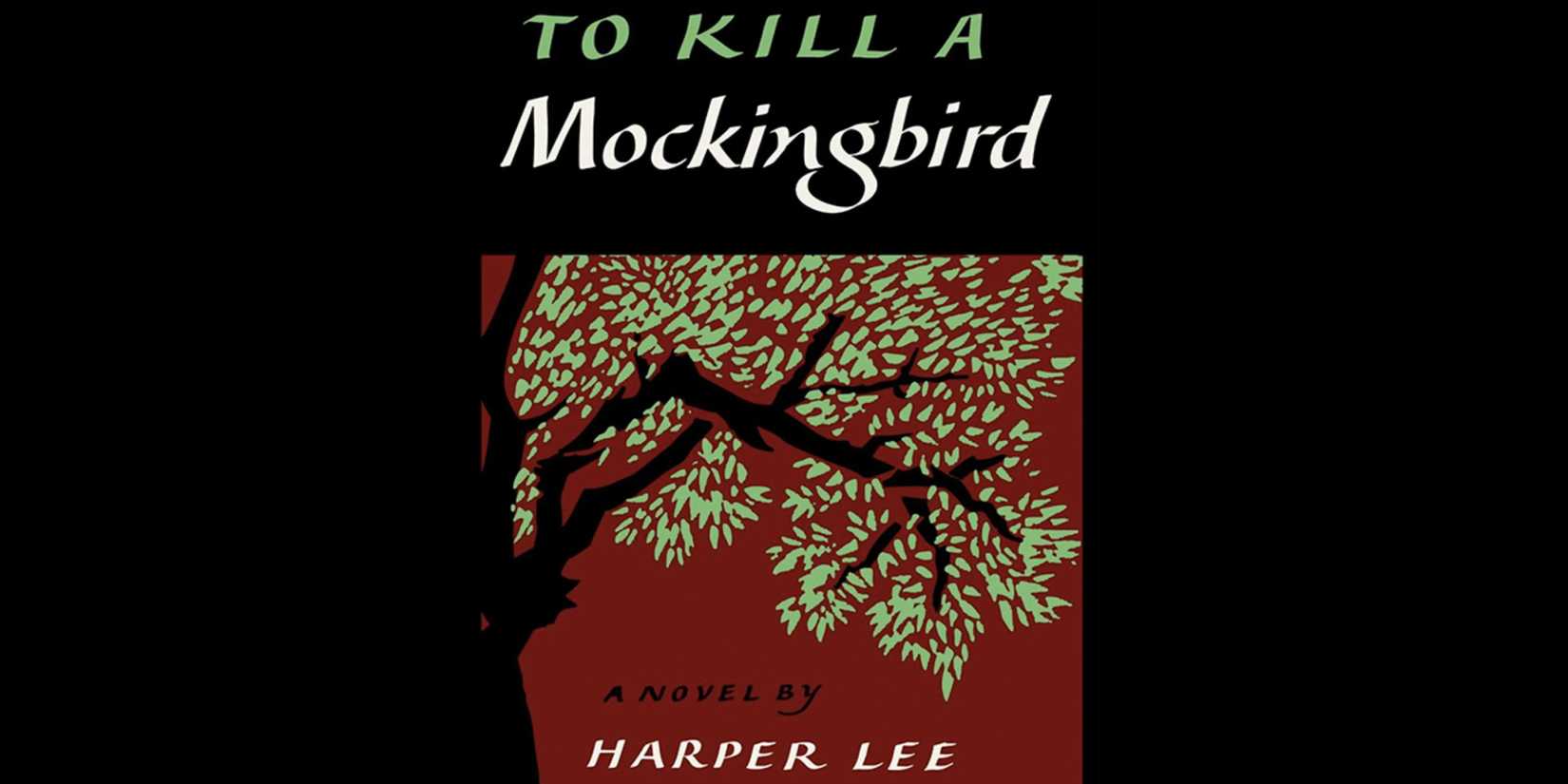
What can be said about To Kill a Mockingbird? Talking about it is like approaching The Beatles and having to introduce them when they did so much for music, and To Kill a Mockingbird did a ton for literature and all, also in the 1960s. Otherwise, not much in common. Honestly, To Kill a Mockingbird doesn’t have that much in common with other books, standing as its own distinctive thing in so many ways.
It’s also a novel that has value being taught across more than one subject, potentially, because there’s a good deal here relating to history and racial/social issues, it’s dense thematically, and there’s an emotional core to it with how it tackles growing up and coming-of-age. To Kill a Mockingbird is the stapliest of literary staples, and it being hard to introduce and/or talk about is kind of a testament to what it did, and what it represents.
3 'The Odyssey' (8th or 7th century BC)

Probably created about 3000 years ago (not even written that long ago, as it predates books as they're currently understood), and only possibly written by someone named Homer (if Homer even existed at all), The Odyssey has some serious history attached to it, to say the least. It’s the ancient quality of the text/story itself that makes it appropriate for studying, with so many stories that followed taking influence from it in one way or another. Usually in multiple ways.
Students who are uninterested in reading or listening to a translation do have other pieces of media they might be able to rely on. There could be arguments about any adaptation not capturing the “original text,” but also, “What original text?” is a fairly fitting question that counters said argument. Anyway, there’s a lot here, and the importance of The Odyssey overall can’t really be emphasized enough.
2 'Fahrenheit 451' (1953)

Fahrenheit 451 is a dystopian novel about a future where books have been outlawed, and the main character is a fireman who’s tasked with destroying the books that do continue to exist. He eventually comes to question this position, and society at large, rebelling against it in a way that is technically similar to the premises found in Nineteen Eighty-Four and Brave New World, and those novels did come first.
It’s tackled in a more emotionally intense and fulfilling way in Fahrenheit 451, though, with it being a little leaner in terms of page count, and quicker as far as pacing goes. It shouldn’t be all that painful to read, as a teenager, and then it’s very easily digestible if you're older, too. Because of those other two dystopian novels, it’s hard to single out Fahrenheit 451 as “the” ultimate dystopian book, but it’s definitely got class, and is a contender.

Fahrenheit 451
- Release Date
- September 7, 1966
- Runtime
- 113 minutes
-

Clarisse / Linda Montag
-

Oskar Werner
Guy Montag
-
Cyril Cusack
Captain Beatty
-
Anton Diffring
Fabian / Headmistress

1 'The Catcher in the Rye' (1951)

Since it deals with a teenage main character, The Catcher in the Rye joins The Outsiders as a possible staple of high school English that you're more likely to enjoy as a young person than a full-fledged adult. Granted, teenagers who love The Catcher in the Rye might not love it for the best of reasons, if they genuinely think Holden Caulfield is great, but then, in their defense, he is a complex character.
Engaging with The Catcher in the Rye when you're older, you either appreciate the complexity of the protagonist/narrator, or you find him too much to handle.
And he endlessly complains and passes judgment in ways that feel very real, so there’s that potential relatability if you're also young and angsty. Engaging with The Catcher in the Rye when you're older, you'll either appreciate the complexity of the protagonist/narrator, or you find him too much to handle. Still, there’s undeniable value in approaching this novel at a couple of different stages in your life, and seeing how the experiences might compare and contrast, based on how much life experience you either have or haven’t had.
KioskNews shows a cleaned-up reading view extracted from the publisher’s page — the original always lives on their site, not ours.