Mad rush for oxygen tanks, air purifiers in haze-choked Southeast Asia
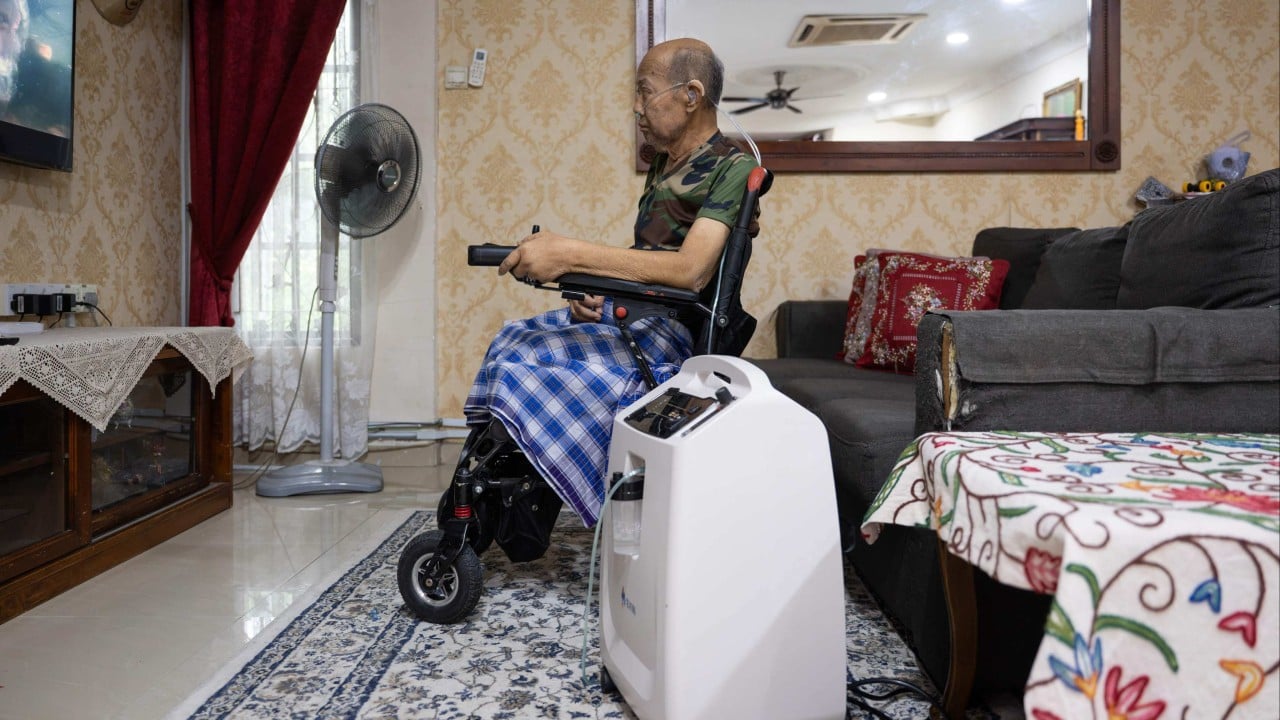
Toxic haze from wildfires burning in Indonesia has spiked a demand for oxygen tanks and air purifiers across the region, manufacturers say, as they work the clock on equipment providing life-saving clean air.
The months-long haze has blanketed parts of Southeast Asia, forcing school closures and fuelling a rise in respiratory complaints. Families are now rushing to buy devices to keep indoor air clean.
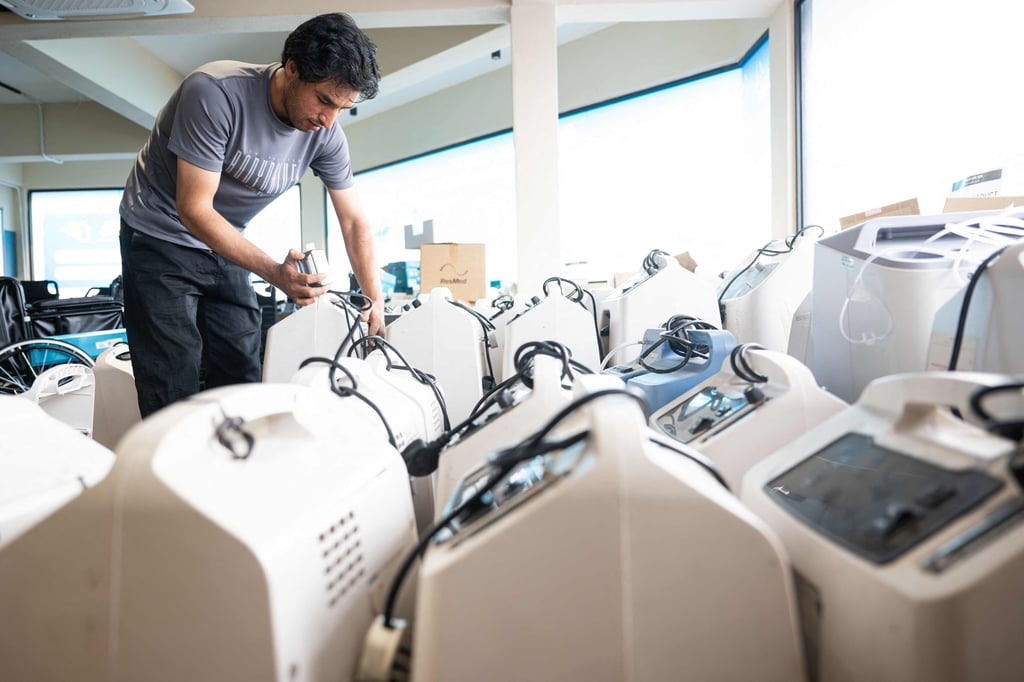
At AA Alive, a medical equipment company based just outside Kuala Lumpur, employees were working at full capacity to deliver oxygen bottles, with officials saying sales were rocketing.
“We have seen a 35 per cent increase in sales because of the haze,” Rafina Firdaus, a member of AA Alive’s sales team, said during a visit.
“When I started in the industry, I was shocked to see so many patients who need oxygen tanks,” she said.
The company supplies patients with both oxygen tanks and oxygen concentrators.
An oxygen tank can run for about three hours of continuous use, while a concentrator can be used for about 24 hours.
Md Noor Bin Bujang, 69, spent more than a month in hospital and received his first oxygen concentrator on Thursday evening.
He said that without the oxygen-providing equipment he would have “a shortness of breath, especially with the haze”.
Mubassar Khan, a 26-year-old AA Alive technician, said an oxygen concentrator’s filter is normally replaced after 1,000 hours of usage, but the haze’s pollutants have halved its lifespan.
AA Alive currently delivers around 40 rental units per day, and Firdaus said the company was able to meet the increased demands caused by the haze because they have “already experienced it every year”.
Close to 60 oxygen concentrators and around 20 oxygen tanks due for a service or replacement were seen at the company’s showroom and warehouse.
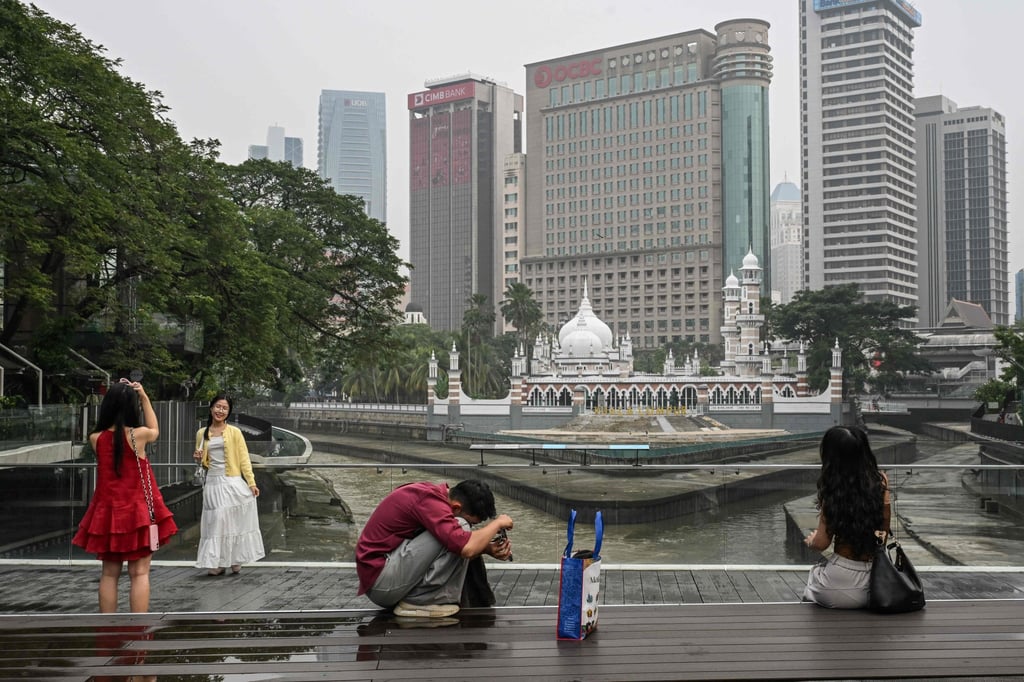
Experts warn prolonged exposure to haze pollutants could cause inflammation that is harmful to the body, with one classifying the situation as a “multisystem public health threat”.
Juliana Jalaludin, a professor specialising in environmental health at Universiti Putra Malaysia, said she was worried that future generations could “experience a higher burden of respiratory illnesses if they are repeatedly exposed to haze and air pollution, particularly during childhood”.
“The key is to reduce exposure now to protect children’s health and prevent long-term consequences for future generations,” Juliana said.
07:39
What’s behind Indonesia’s decades-long wildfire problem?
Air purifier retailers, meanwhile, said sales have jumped since air quality levels started to dip in August during haze conditions.
“Recently, we have seen a 600 per cent increase in sale volume of air purifier sales... from September 28 to October 12, compared with the same period last year,” regional consumer electronics retailer Courts said in a statement.
“Customers are becoming more conscious of indoor air quality and are actively exploring solutions to maintain a healthier and more comfortable home environment,” a Courts spokesperson said.
Singapore-based retailer Gain City said it has also seen “a significant increase in air-purifier demand”.
“Demand began picking up in recent weeks, with a particularly sharp surge from October 9. Sales have since risen to nine times the level recorded at the start of the haze season in August,” the company said.
KioskNews shows a cleaned-up reading view extracted from the publisher’s page — the original always lives on their site, not ours.