One of the world’s rarest pears only grows in a small Italian town
In Italy, even the most unassuming hole in the wall is likely to serve up the most amazing of meals. But when my family and I recently re-affirmed this enduring cliché after pulling off the highway looking for lunch, we accidentally also stumbled into the extremely small homeland of one of the world’s rarest fruits.
We stopped at an unassuming eatery called Mangialento, which translates to eat slowly. There, we feasted on mouthwatering local cheeses and tortelli (a kind of stuffed pasta) drizzled with “pera cocomerina” marmalade. The pera cocomerina, also known as the pera briaca or pera cocomera, is a common pear (Pyrus communis) variety that only grows in and around the town of Ville di Montecoronaro, Italy.
Locals, for whom the fruit was simply another element of their familiar mountainous landscape, only recently realized how truly unique their pear is. It all started with one student’s 2001 university thesis.
What is pera cocomerina?
Ville di Montecoronaro is a small town in northern Italy that straddles an intersection of three main roads in the commune of Verghereto in the Apennine mountains, about two hours east of Florence.
“We had pera cocomerina trees in our gardens, in our woods, in our fields. We’ve known about it since forever so we hadn’t understood its potential, but at the same time its fragility,” Simone Mercatelli tells Popular Science. He’s a member of Pro Ville, an organization he and other locals from Ville di Montecoronaro founded to protect and promote the unique pear tree.
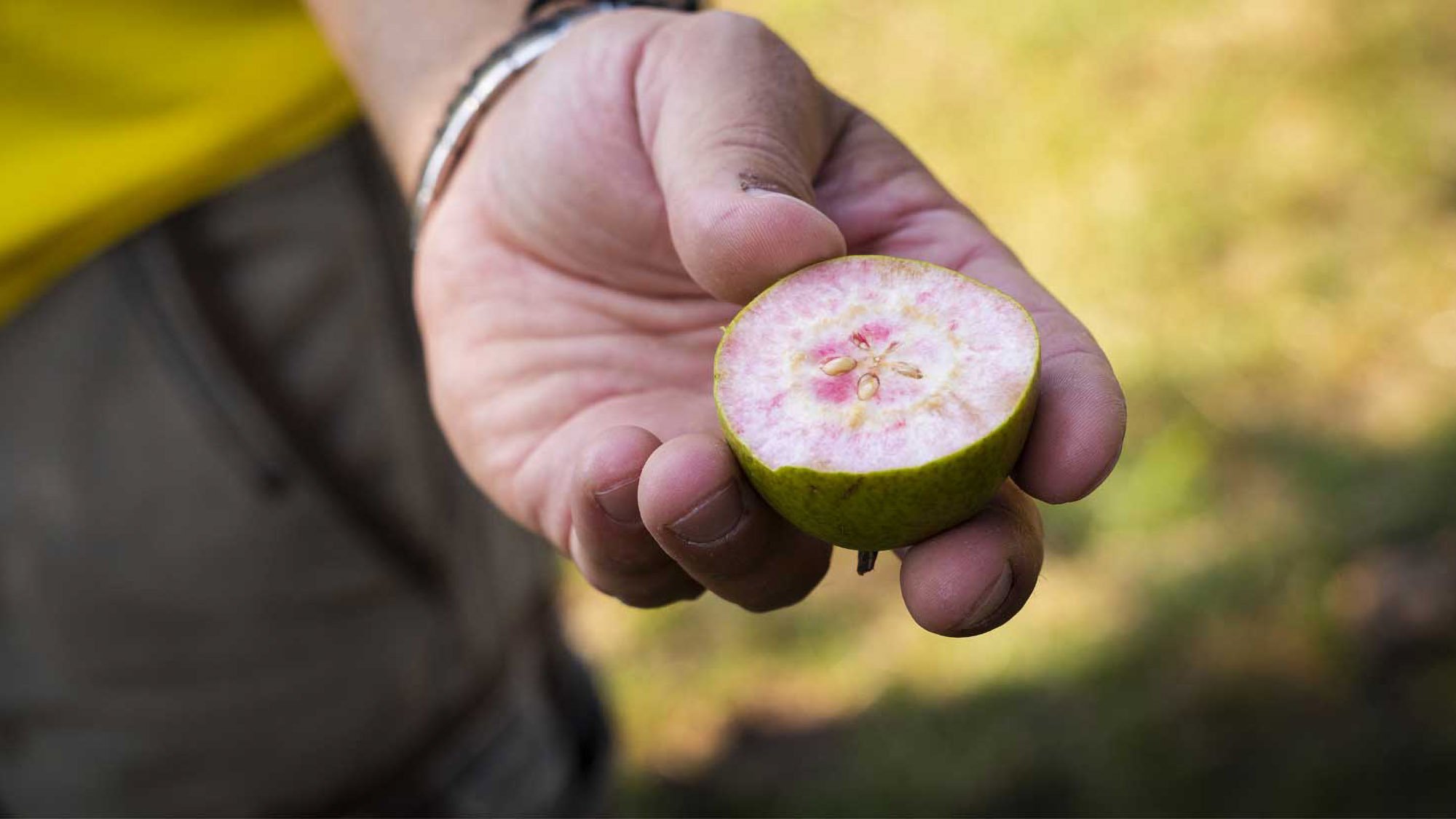
On the outside, a pera cocomerina looks for all intents and purposes like a small pear. But its most striking feature lies beneath its skin: very sweet, bright pink/red flesh, and large seeds. In fact, its name references its color, size, and seeds by comparing it to another fruit. “Cocomerina” in Italian means “small watermelon.”
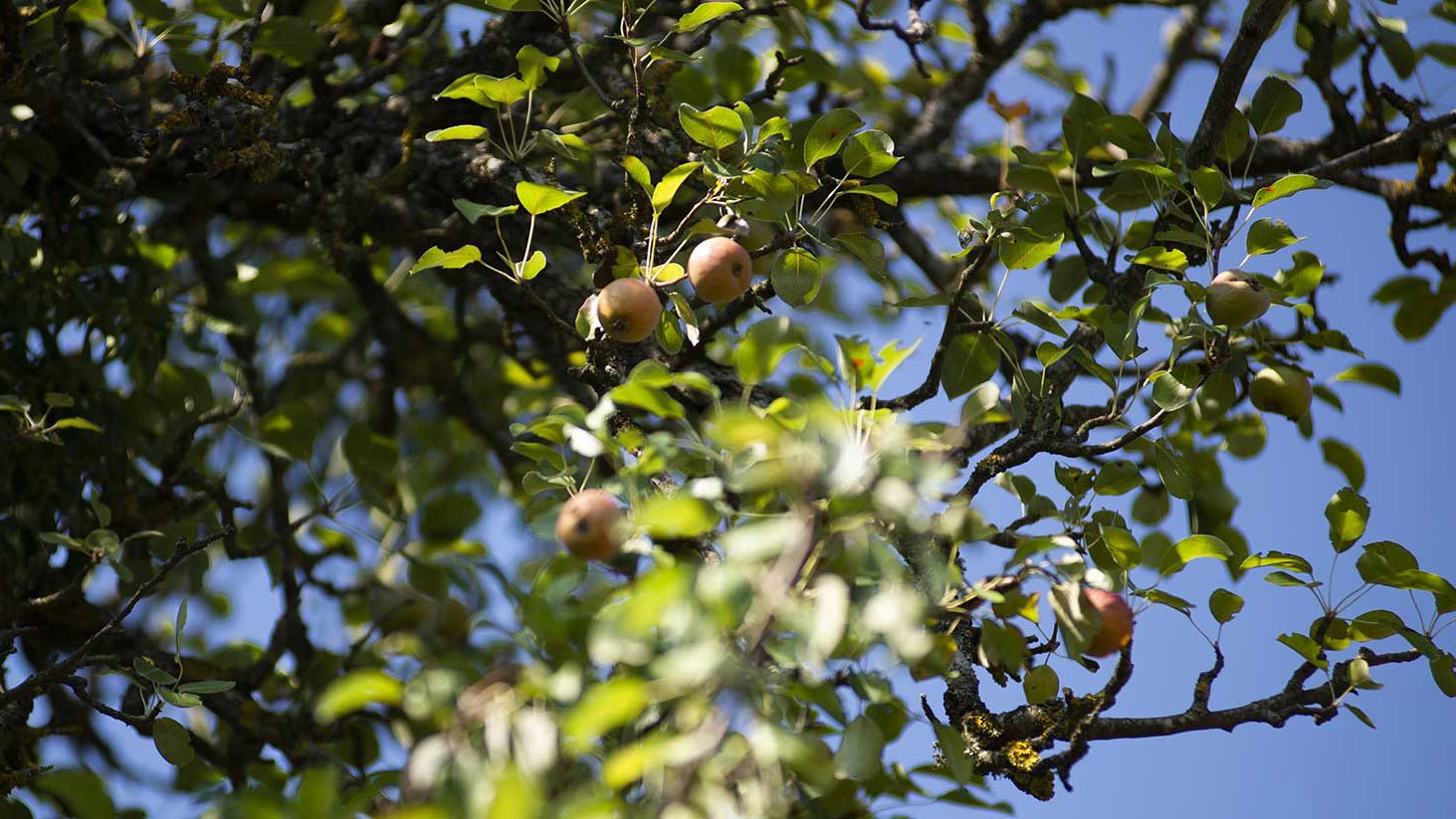
The pear is very sweet and has a grainy consistency. Depending on the tree, the fruit matures either at the end of August (the “precoce” pera cocomerina) or at the end of September and beginning of October (the “tardiva” pera cocomerina). The flesh of the tardiva pear has a particularly intense pink/red color.
What makes Ville di Montecoronaro’s pears so special?
In 2001, Manuela Biserni, a student from Ville di Montecoronaro, wrote her university thesis about the pera cocomerina. Isabella Dalla Ragione, an agrarian researcher who specializes in ancient fruit, learned about the variety while attending the student’s thesis presentation. She had never heard of a pera cocomerina, and so she began investigating and discovered that it didn’t grow anywhere else in Italy.
Then, after attending various Saloni del Gusto, a yearly international multi-day food event organized by the Slow Food movement, Ville di Montecoronaro locals realized their pear doesn’t grow anywhere else in the world, either.
Soon after, a group of locals founded Pro Ville, which today is part of the international Slow Food Foundation for Biodiversity.
“We conducted a survey of the trees, which were less than 40, and so we started protecting them, as well as collecting and transforming their fruit,” he explains. By “transforming,” he means using their fruit in products such as cakes, ice cream, and liquors.
“The particular thing about this fruit is that once it has matured, because of its high sugar content, it needs to be eaten within four to five days.” But pera cocomerina marmalade, for example, lasts a lot longer.
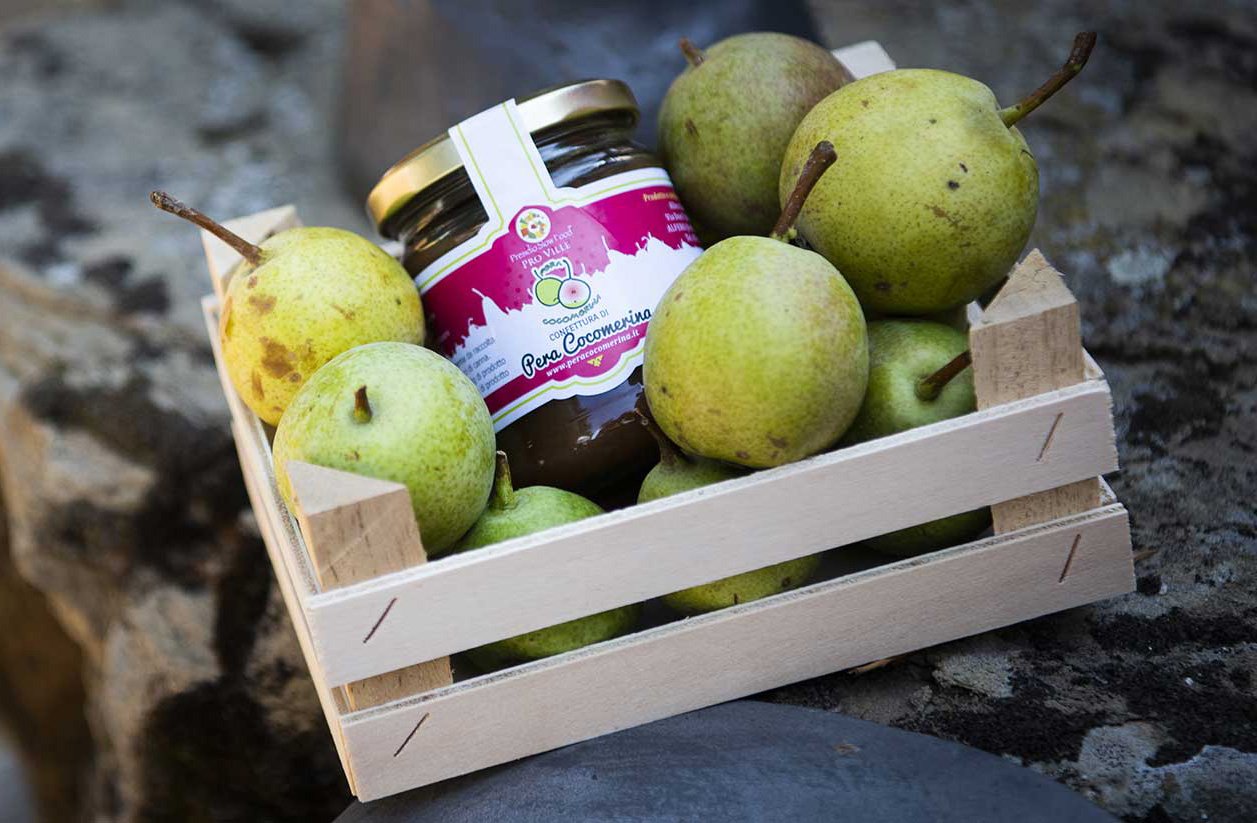
Pro Ville’s commercialization initiative was so successful that they regularly sell out. In fact, they had to take down their online store because they simply couldn’t keep up. That’s despite the fact that their pera cocomerina orchard today has between 150 to 200 trees, some of which are around a hundred years old.
It won’t grow anywhere else
Mercatelli calls the pera cocomerina an “ancient” fruit because every generation he knows of in Ville di Montecoronaro has had the privilege of playing in the shade of its trees. And it’s also a picky fruit.
The annual Pera Cocomerina festival, which usually takes place in August, used to sell pera cocomerina trees in its early editions. But when the trees were planted elsewhere, the fruit they produced was completely different from the little pink/red pear: still good, but large and white, according to Mercatelli. It seems like there’s just something unique about the Verghereto comune—most likely an intersection of conditions involving the soil and climate—that allows the pera cocomerina to grow.
The stark temperature change between night and day, for example, is a crucial element. But this year, Italy’s intense heat has confused Ville di Montecoronaro’s pera cocomerina trees. Their “precoce” fruit trees were ready for harvest 20 days earlier than usual, and their “tardive” will likely be ready by mid-September instead of at the end of the month. The region also hasn’t had as much rain as usual, and the drought has made their harvest smaller than normal, though the fruit remains as tasty as ever, Mercatelli highlights.
No matter what climate challenges come their way, Pro Ville will stay true to its mission, which is to ensure that the pera cocomerina continues to thrive in the only home it has on this planet. “We’re not interested in an intense fruit harvest, but we want to maintain the fruit’s presence,” he says.
My family was only in Ville di Montecoronaro for a few hours, but that was enough to leave with our bellies full and our curiosity peaked about how many other local biodiversity stories we drive past every day without realizing it.
KioskNews shows a cleaned-up reading view extracted from the publisher’s page — the original always lives on their site, not ours.