For the same ticket on StubHub, different prices for different people
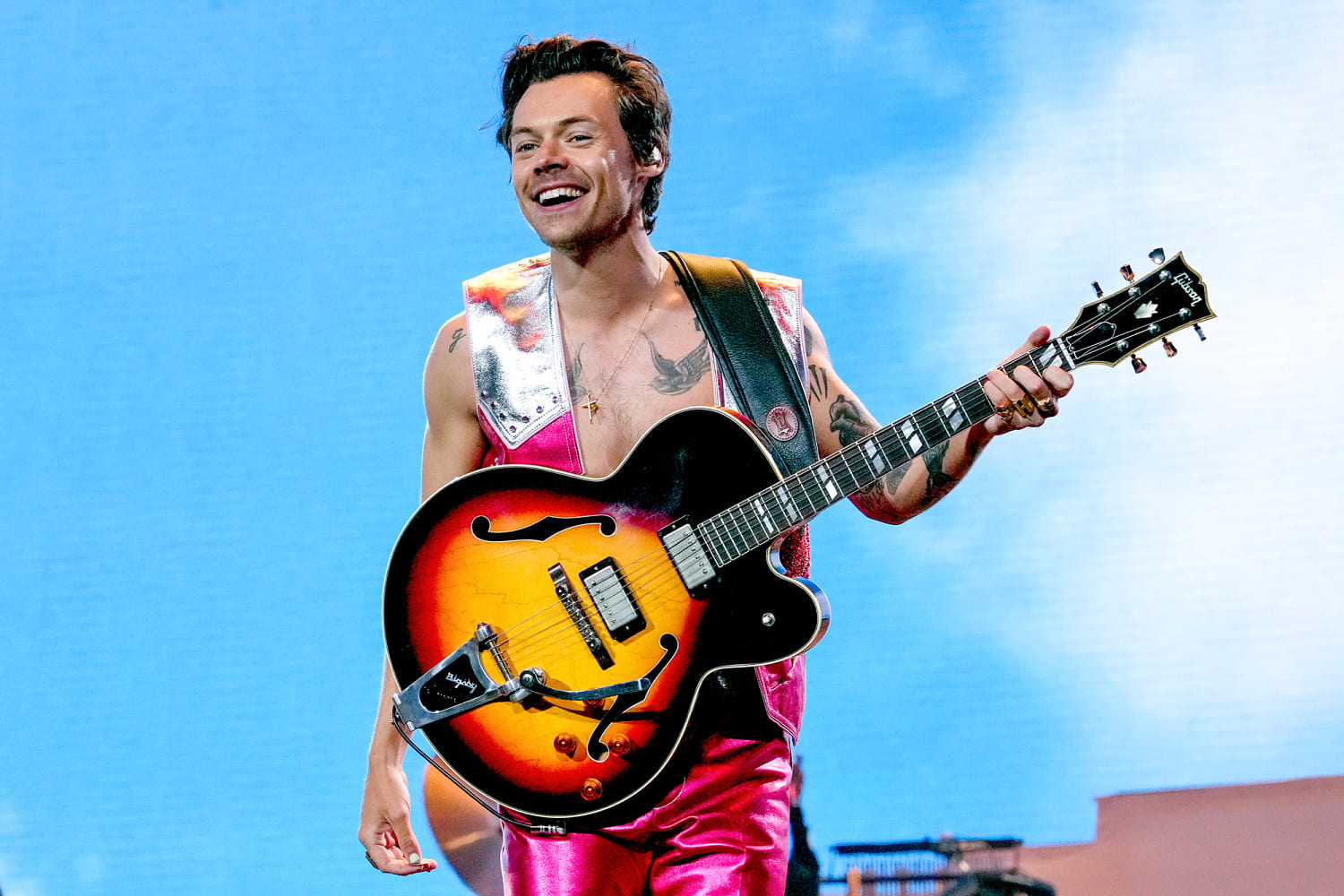
The same seat at an upcoming Harry Styles concert at Madison Square Garden could cost $455. Or it could cost $517.
The difference comes from the fees that ticket broker StubHub adds. But how much those fees are — and why they can vary — is unclear.
NBC News gathered nine volunteers to check the same StubHub ticket at the same time for Styles’ Oct. 30 concert. They saw eight different prices. The ticket’s base price, set by the seller, was the same for everybody.
The big differences came from the fees StubHub added. One person was charged $72 in fees, while another was charged nearly twice as much, $134.
When the volunteers looked up the same ticket using incognito mode in Google’s Chrome web browser, a private session that doesn’t use cookies, saved logins or site storage, the price discrepancy declined to $19 between the highest- and lowest-priced ticket. When they checked on StubHub’s phone app without being logged in, almost everybody saw the same price, with the exception of just one person who would have been charged $3 more.
The days of a single, transparent price tag are fading. In the digital era, prices can change by the minute, without warning or explanation. Companies can run price experiments, where shoppers are given a range of prices at random to determine the optimal price for profitability. Some companies use surveillance or personalized pricing, where they charge individualized prices based on a customer’s data.
StubHub, one of the largest online ticket resale platforms, has recently faced scrutiny over its business practices, including advertising ticket prices without clearly disclosing mandatory fees, leading to a $10 million Federal Trade Commission settlement, and listing “ghost tickets” from a seller who didn’t actually have them.
The company said it does not use personal information in setting prices but confirmed that ticket prices can vary.
In a statement, StubHub said it “regularly runs randomized tests on pricing — a standard e-commerce practice across retail and marketplace platforms. The fee variations observed in your experiment reflect that testing, not personalization based on individual user data.” The company also said that differences in incognito mode were due to the “natural randomness of a small sample, not a signal that cookie or browsing data drives fee differences.”
Lindsay Owens, author of the new book “Gouged: The End of a Fair Price — and What That Means for Your Wallet,” said price experiments are a way for companies to maximize profit by helping to identify the upper limits of what customers are willing to pay. Even if it is random, it’s still unfair, she said.
“It’s not the resale ticket holder who’s getting that money,” Owens told NBC News. “It’s StubHub, who’s just charging some parents more, some ticket holders more, concertgoers more, just to see their favorite show.”
Owens said it was notable that without access to users’ data trails, the company appeared to have a harder time determining what to charge users.
Mark Tremblay, an economics professor at the University of Nevada, Las Vegas, noted that if the price experiments are random, consumers could take advantage of this by checking multiple ways. “As a consumer, you should shop around on different mediums,” he said.
It’s not just StubHub, Owens said: More and more companies are charging different consumers different prices for the same products. Last year, Owens’ think tank, Groundwork Collaborative, and Consumer Reports found that some Instacart shoppers were shown different prices for the same grocery items. The company said it was price testing and later ended the program.
Companies also have the technology to go a step further, using personal data to determine what a customer is willing to pay and tailor prices to each individual, a practice called surveillance or personalized pricing.
There is no federal ban on personalized pricing, but some states have passed laws regulating the practice. In August, the FTC proposed a policy that would require companies to disclose their use of personalized pricing.
Bob Hedges, a digital fellow at the MIT Initiative on the Digital Economy, said new technology, more powerful algorithms and the explosion of online shopping have made it easier than ever for companies to do this. “Even five years ago, the compute power and real-time processing was not adequate to support some of the real-time pricing algorithms in place today,” he noted.
As companies increasingly use sophisticated algorithms to calculate and change prices in an instant, it’s becoming harder for consumers to know when the price they’re seeing is based on their personal data.
To find out what companies are thinking, Owens said look to their patents. She pointed to DoorDash as an example.
The delivery platform has filed a patent for technology that it says predicts how hungry users are based on things like “a low battery” and “fast scrolling,” suggesting you could be “searching urgently for something to order.”
In a statement, DoorDash said the patent was “never used and has been withdrawn” and was meant to “help people find support if they were struggling on the app.”
The company acknowledged that customers may receive “personalized promotions” for the same order based on “past orders and favorite stores” but said that this practice does not amount to “surveillance pricing.”
KioskNews shows a cleaned-up reading view extracted from the publisher’s page — the original always lives on their site, not ours.