New UK household tax cut coming into effect this week
Households across the UK face new tax rules from the start of October under changes announced by both new prime minister Andy Burnham and the previous government.
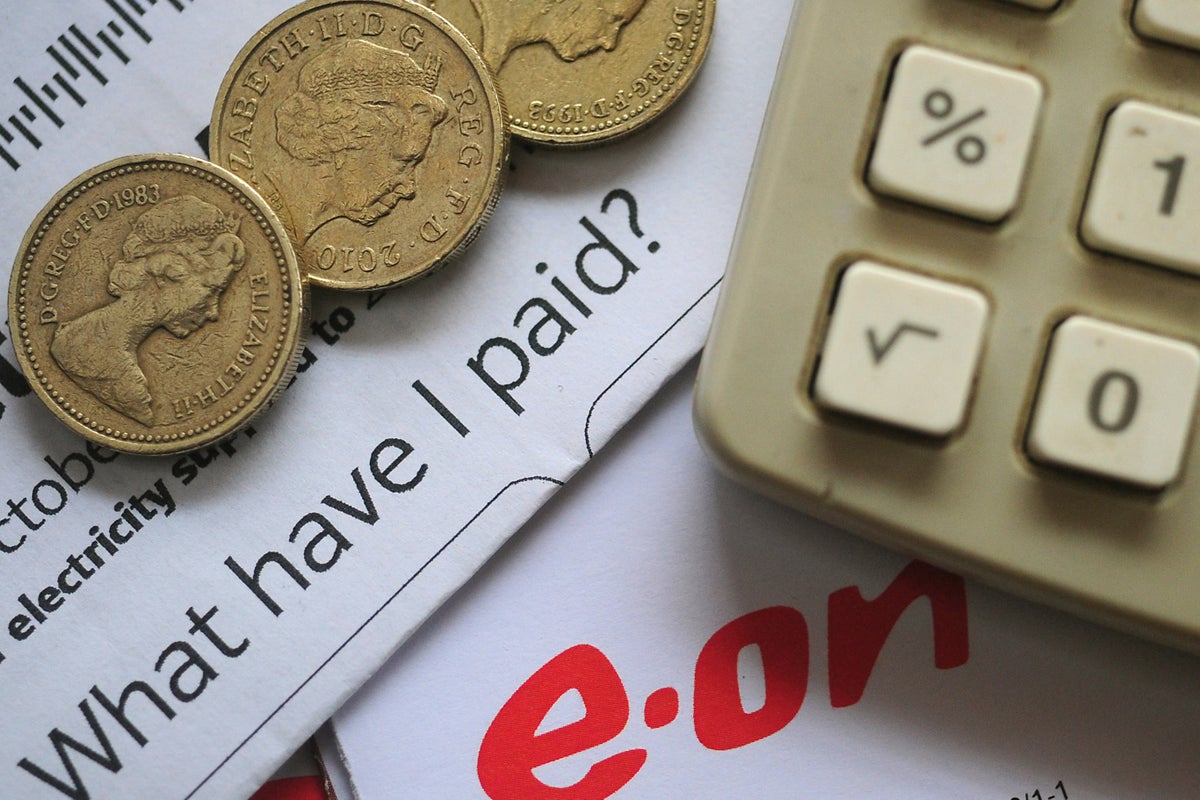
In a bid to tackle rising energy costs, VAT will be removed from household electricity bills from 1 October. The removal of the 5 per cent levy will save the average bill payer around £45 a year, estimates from the government show.
The policy was one of Mr Burnham’s first moves as prime minister, announced in July on the day after he took over the post.
Under current rules, energy providers currently charge the VAT rate on top of the amount of electricity used and the unit rate. Once this has been scrapped, they are expected to pass on the savings to households in full.
The cut will take effect on the same day that Ofgem’s energy price cap increases. The figure dictates the maximum unit price that providers can charge to households on a non-capped rate, which includes most households.

For October to the end of December, the price cap will rise to £1,723, an increase of £60 a year. Ofgem’s headline figure represents the annual bill for an average home, not the maximum that can be charged to a household.
The energy regulator will announce its next price cap, covering January to March 2027, in November. Experts have forecast a major rise, with large provider EDF now predicting a 30 per cent rise, to £2,098 – up £375 on October’s rate.
The stark forecasts come amid the US-Iran conflict, which have driven up energy costs worldwide. The effective seizure of the Strait of Hormuz – a major oil shipping lane – has seen the price of fuel and electricity spike at a rate last seen following Russia’s invasion of Ukraine.
In light of the continued conflict, the government is reportedly considering mirroring its electricity VAT policy to gas bills, which could take another £40 off energy bills on average. Any such change would now likely be announced at John Healey’s first Budget as chancellor at the end of October.

Get a free fractional share worth up to £100.
Capital at risk.
Terms and conditions apply.
Go to websiteADVERTISEMENT
Get a free fractional share worth up to £100.
Capital at risk.
Terms and conditions apply.
Go to websiteADVERTISEMENT
Another October change – tobacco and vapes
Also starting on 1 October is the increase to the amount of tax that is paid on both tobacco and vaping products.
From this date, there will be a new duty of £2.20 per 10ml on vaping products, which will apply whether they include nicotine or not. This means a £4 bottle containing 10ml vaping liquid will rise to £6.64, after VAT.
At the same time, cigarettes will also get more expensive. The existing tobacco duty will go up by an extra £2.20 per 100 cigarettes – meaning an extra 44p on a pack of 20 – and £2.20 per 50g of rolling tobacco.
The government says it has decided to increase both so that the cost of smoking cigarettes remains substantially higher than vaping, meaning consumers are more likely to choose to vape products over cigarettes.
KioskNews shows a cleaned-up reading view extracted from the publisher’s page — the original always lives on their site, not ours.