Inside US Plan To Keep Military Bases Running If Major Conflict Erupts
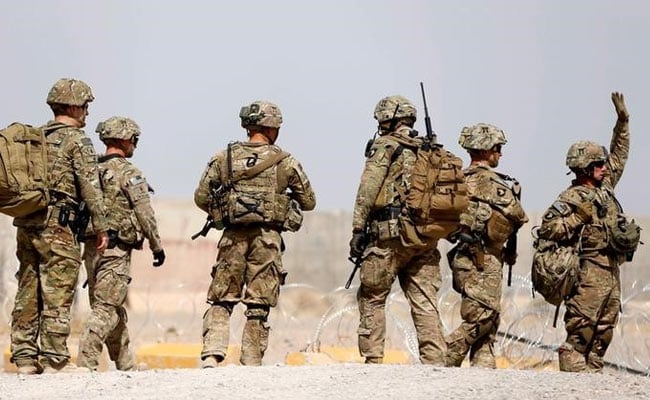
The United States military is preparing for a situation in which its military bases could be left without electricity, water, fuel and other essential supplies for up to 90 days.
The plan, called FORTRESS, aims to ensure that the US military can continue operating even if a major war damages the country's civilian infrastructure. According to a report by Fox News, the Pentagon wants military bases across the continental United States to operate independently for at least three months during a major emergency.
Pentagon spokesperson Sean Parnell said the military could not afford to depend entirely on civilian services for national defence.
"We don't want to rely on standard civilian municipal infrastructure to run our national defence. We just simply can't. It's an intolerable risk," Parnell told Fox News Digital.
Military bases need electricity, water, fuel and communication systems to carry out their operations. They also depend on transport networks and supply chains to get essential equipment and other materials.
"Power is combat now. Without electricity, you lose communications, water, logistics, assembly lines and just basic military command structures," Parnell said.
The programme reportedly includes portable nuclear reactors, large battery storage systems and microgrids to provide electricity during emergencies. Microgrids are small electricity networks that can operate independently of the main power grid. They could allow military bases to continue receiving power even if the wider electricity network fails.
The plan also aims to ensure that bases have access to water, fuel and communication systems for at least 90 days without outside support.
The Pentagon is also working on plans to help civilian manufacturing facilities switch to defence production during emergencies, according to the report. This could help maintain the supply of essential military equipment during a major conflict.
Parnell said the US could no longer depend on the assumption that the Atlantic and Pacific oceans would protect the country from external threats. He described FORTRESS as a way to prepare for a major emergency before it happens.
Parnell said the military must prepare for such emergencies in advance. "You don't want to be making these decisions in the middle of a global multi-front conflict. We have to have a plan," Parnell said, according to Express UK.
KioskNews shows a cleaned-up reading view extracted from the publisher’s page — the original always lives on their site, not ours.