Serbia votes as ruling party faces student-led anti-corruption list
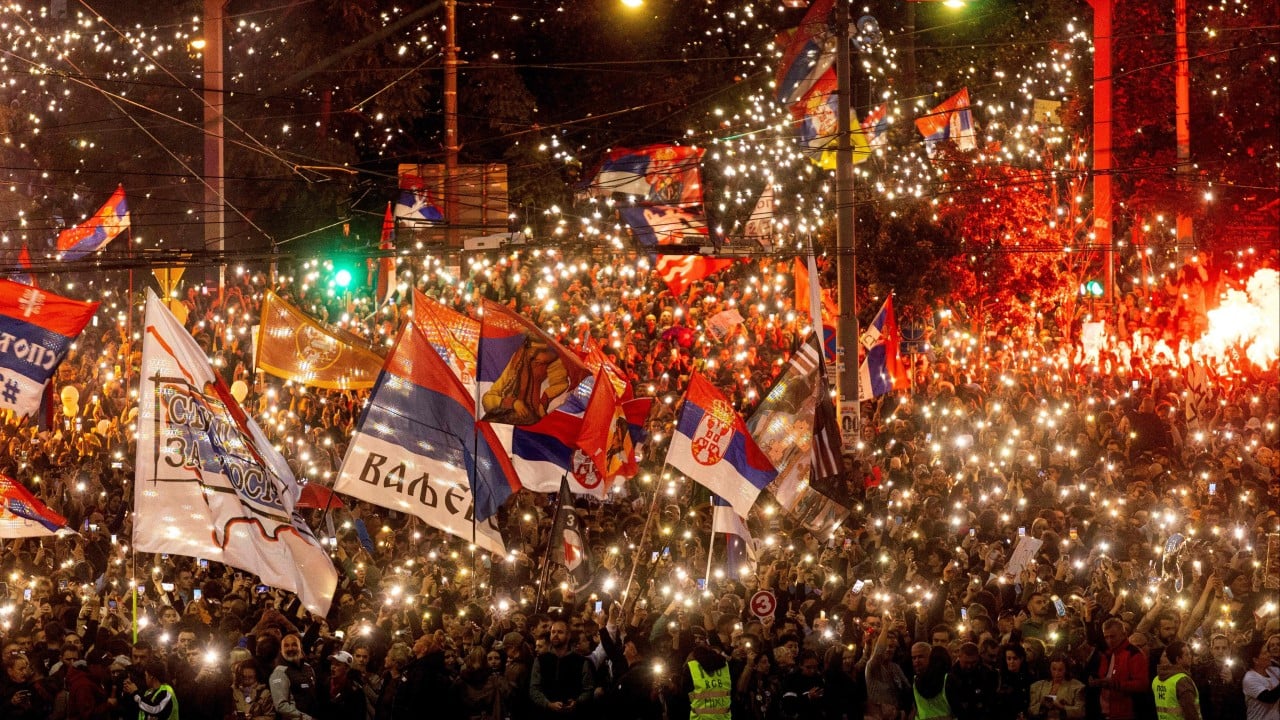
Polls opened in Serbia on Sunday in what is set to be its most fiercely contested parliamentary election in more than 14 years, as a student-led movement seeks to oust the party of veteran leader Aleksandar Vucic.
The snap vote is the culmination of nearly two years of student-led protests sparked by the 2024 collapse of a canopy at Novi Sad railway station that killed 16 people – a tragedy widely blamed on corruption.
The disaster triggered some of Serbia’s largest protests since the fall of strongman Slobodan Milosevic in 2000.
The Students’ List, a selection of candidates backed by the largely leaderless movement, now poses the biggest challenge to Vucic’s right-wing populist Serbian Progressive Party (SNS), which has dominated politics throughout its tenure.
High turnout
Eighteen electoral lists are vying for seats in Serbia’s 250-member parliament, but polls suggest the contest is largely a choice between the ruling party and the student-backed list.
Several leading opposition parties have opted not to run, instead urging their supporters to back the students.
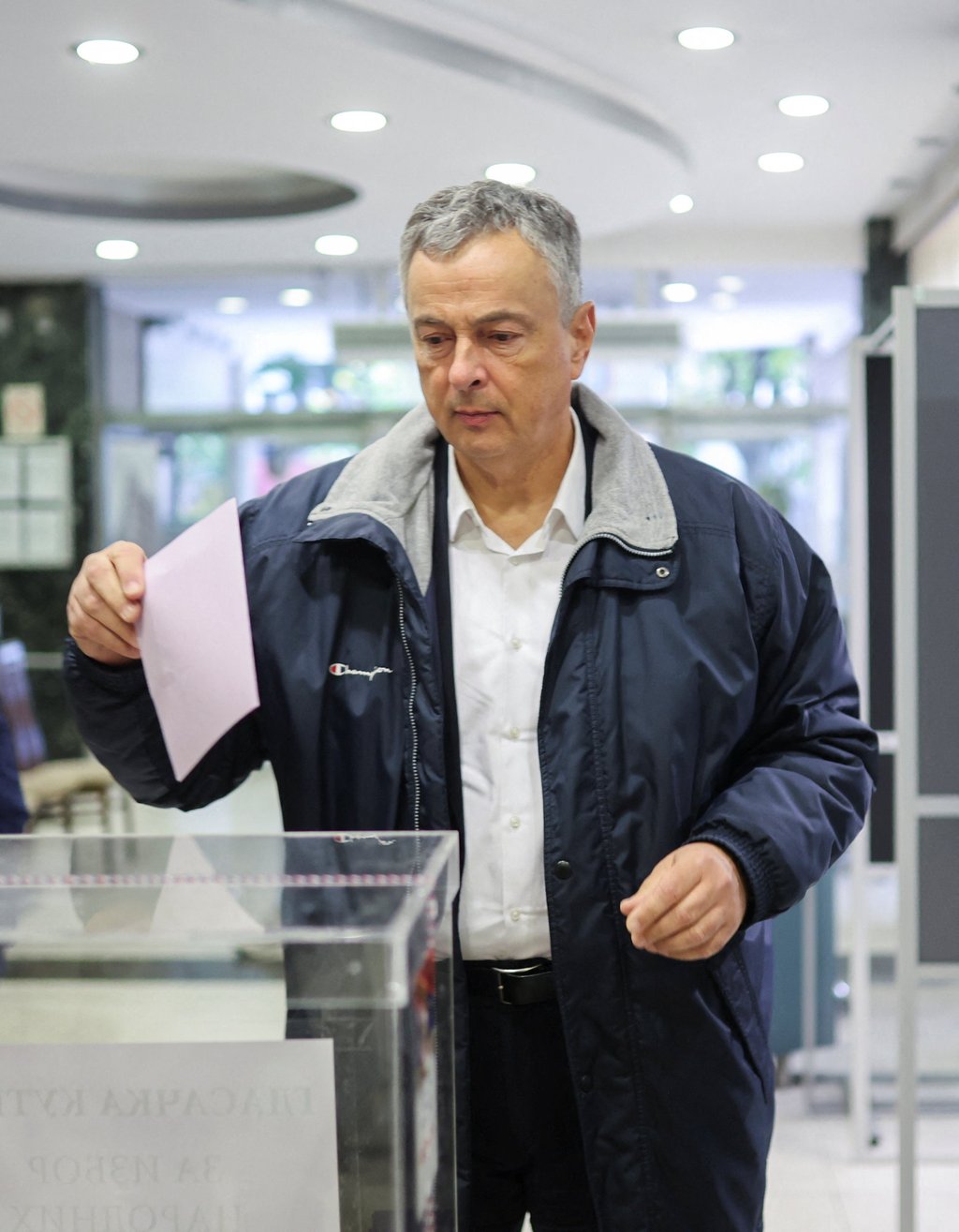
An unusually high turnout is expected among Serbia’s 6.4 million registered voters.
In the decades since Milosevic fell, when around 70 per cent cast ballots to oust him, parliamentary turnout has declined, averaging just above 55 per cent during SNS rule.
For nearly two years, students have staged rallies and marched across the Balkan nation to reach voters directly and counter the SNS’s media machine.
Their protests have regularly drawn huge crowds, with a final pre-election rally in Belgrade on Thursday drawing around 150,000 people to the streets, according to an independent protest monitor.
On the eve of the vote, the student protest movement thanked the Serbian people for their support and urged them to turn out to vote.
“Serbia is awakening! You have been and remain our strength. It is time to redirect that strength towards freedom,” it said in a letter posted on social media.
Vucic has also campaigned nationwide, embracing citizens in villages and towns, while repeatedly accusing the student movement of plotting a foreign-funded coup.
“Let us never forget how they tried to bring down our state. Let us always protect and defend it,” he told supporters at his party’s final rally in Belgrade.
Political novices
Most of the student list’s 250 candidates are experts from fields including academia and the arts with little political experience.
The movement has a broad platform, centred on a pledge to fight corruption.
It evolved from demands for a transparent investigation into the Novi Sad tragedy into calls for an early election.

Against them is Vucic, the face of his party, who has tried to cultivate an image as an indispensable statesman, walking a diplomatic tightrope between the neighbouring European Union and his close ally Russia.
Under mounting pressure, the 56-year-old called the snap vote last month, citing “major turbulence on the domestic political scene”.
The right-wing populist leader cut short his second presidential term to run for prime minister.
Pyjama voting parties
Days before the vote, Serbian civil society groups warned that conditions for “free and fair elections” were lacking.
Domestic and international observers will monitor the vote, with students mobilising large numbers of volunteers to oversee the process.
Electoral authorities have ordered overseas polling to follow Serbian voting times, forcing some voters to vote in the early hours.
In Chicago, home to one of the largest Serbian communities in the United States, polls will open at 1.00am local time, prompting voters to announce “pyjama voting parties” on social media.
But many overseas voters face a bigger hurdle, with a limited number of polling stations forcing some to travel hundreds or even thousands of kilometres to cast their ballots.
KioskNews shows a cleaned-up reading view extracted from the publisher’s page — the original always lives on their site, not ours.