Seoul’s useless placation is a warning for all US trade partners
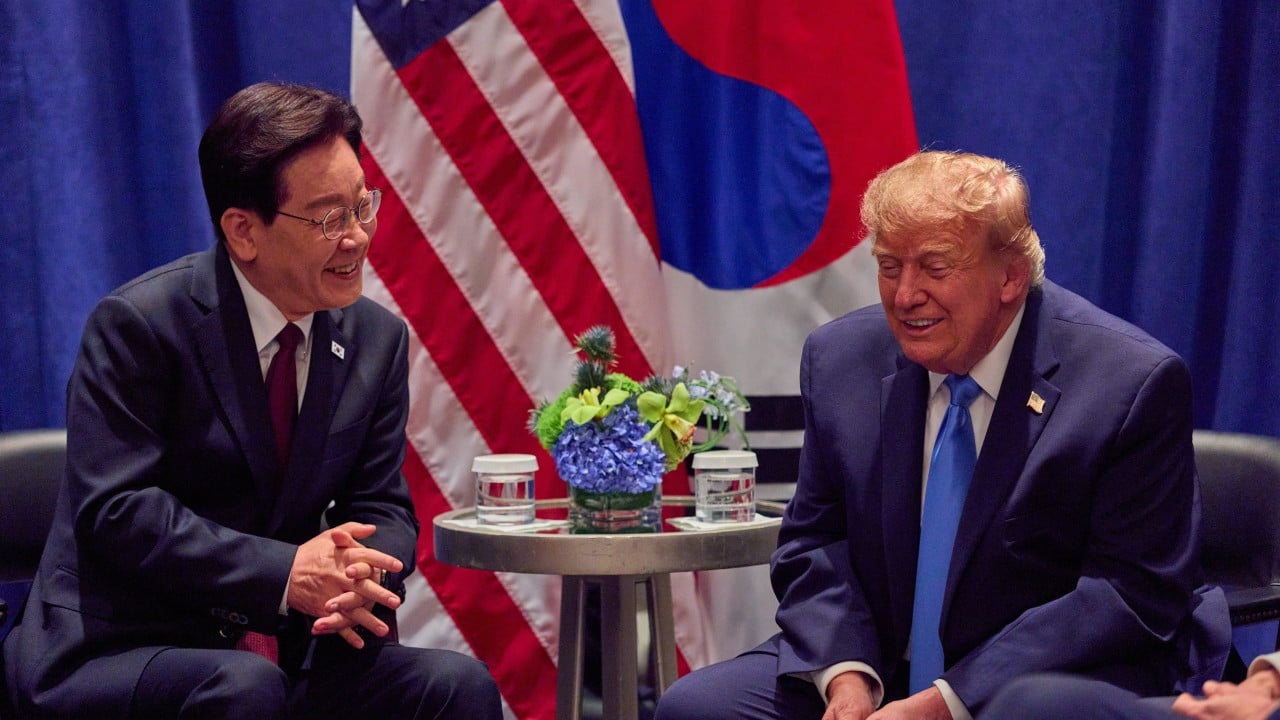
The anxiety gripping Seoul is palpable. Under US pressure, South Korea signed a US$350 billion investment deal last November for a 10-percentage-point tariff reduction, billing it as a strategic alliance. Barely a year on, the facade has crumbled.
Last month, US President Donald Trump announced a US$200 billion tranche of the deal with no South Korean official present. Blindsided, Seoul restated its “commercial viability” clause. Trump’s response was blunt. “If they don’t want to do it, that’s OK with me. I’ll just charge them more,” he told reporters. “Tell them if they don’t sign shortly, I’m going to double it up.”
For South Korea, the numbers are sobering: US$350 billion represents 18 per cent of its annual gross domestic product. Even if much of it is channelled through loans, guarantees and corporate outlays, it risks upward pressure on the won, crowding out domestic investment and political exposure if projects underperform.
KioskNews shows a cleaned-up reading view extracted from the publisher’s page — the original always lives on their site, not ours.