China, Europe should coordinate on carbon pricing, border tax: energy transition expert
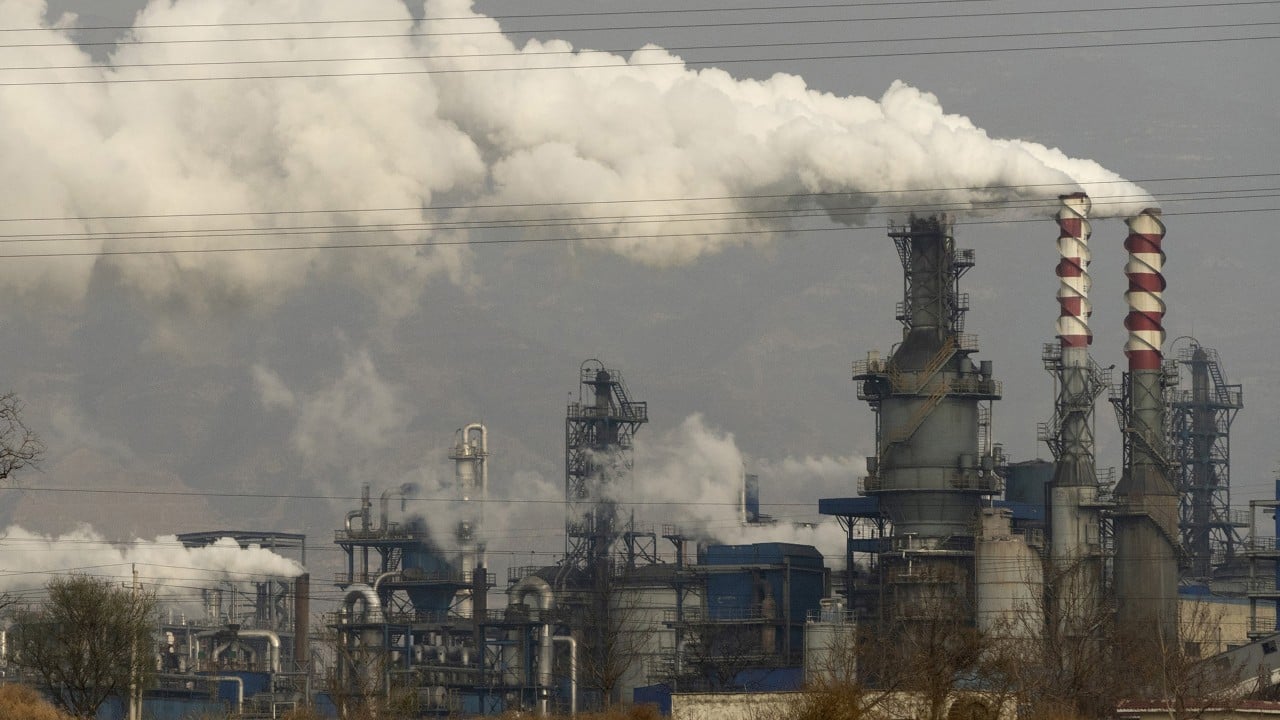
China and Europe should jointly introduce a system like the Carbon Border Adjustment Mechanism (CBAM), a levy on carbon-intensive imports designed to account for the carbon costs domestic producers face, which “applies against the rest of the world,” the co-chair of a global energy transition organisation says.
“The biggest single thing which I would love China to do is to say, ‘We want to join with Europe in a climate club’,” said Adair Turner, co-chair of the Energy Transitions Commission, during a panel discussion at the Bund Summit in Shanghai on Thursday.
Turner, who is also the former chairman of the UK’s Financial Services Authority, called on the two economies to commit jointly to carbon prices high enough to drive the decarbonisation of heavy industries such as cement and steel.
Calls for closer China-Europe climate cooperation have grown louder as the US retreats from international climate efforts under the Donald Trump administration, including its withdrawal from the Paris Agreement.
Meanwhile, the European Union’s CBAM entered its definitive phase in January 2026, requiring importers of covered carbon-intensive goods to pay for embedded emissions under the bloc’s carbon pricing system, which has left many Chinese exporters struggling with compliance.
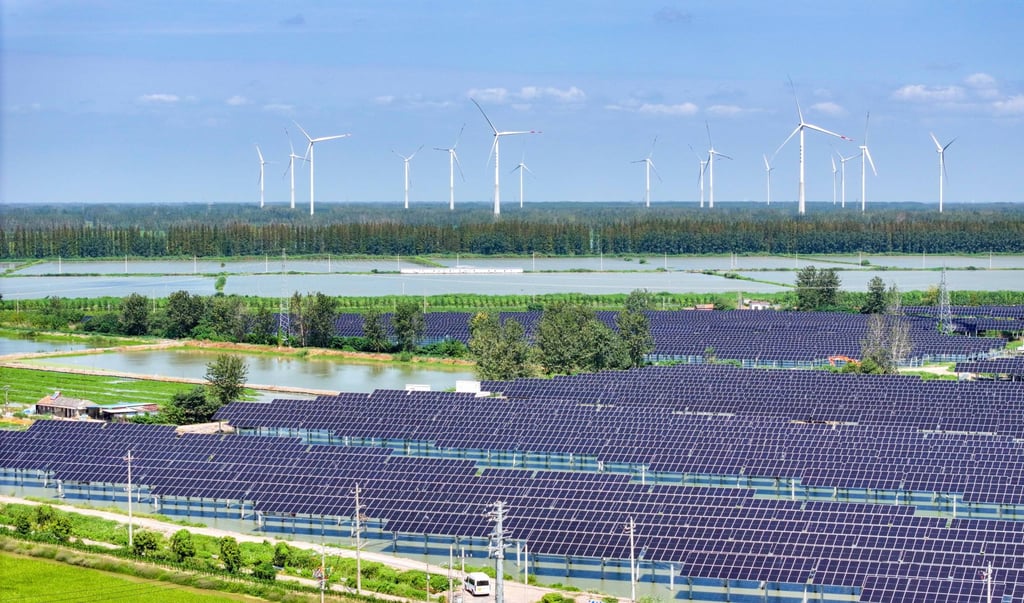
“America has made a bet that the future is fossil fuels. It is a really stupid bet, and they’re going to lose,” Turner said, describing the Trump administration as a “disaster” for dealing with global problems related to the commons.
“The future is electric. So let’s be clear: China and … Europe are making the right bet, and the US is going to regret the bet it’s now made.”
Jeromin Zettelmeyer, the director of Bruegel, also shared similar ideas at the panel, saying that a joint carbon pricing commitment made by the EU and China would create a market so massive that other developing countries could not afford to ignore it.
He pointed to the Open Coalition on Compliance Carbon Markets, launched by the EU, China and Brazil, which he described as a multilateral extension of Europe’s CBAM.
“In the end, the US will be isolated and be forced to do something. So this is, in my view, the most powerful idea out there,” he said.
Meanwhile, Turner said China would need to eventually raise its carbon prices to around US$100 per tonne to fully decarbonise its iron production by 2050 or 2060.
China’s national carbon market closed at 96.66 yuan (US$15) per tonne on Thursday, according to data from the Shanghai Environment and Energy Exchange.
“China has done a fantastic contribution to the world through the development of clean technologies,” he said. “The biggest thing it could now add to it is to have a serious strategy for decarbonising cement and iron and steel production.”
KioskNews shows a cleaned-up reading view extracted from the publisher’s page — the original always lives on their site, not ours.