China pet ‘memorial diamond’ industry charging US$15,000 for ash gems faces scrutiny
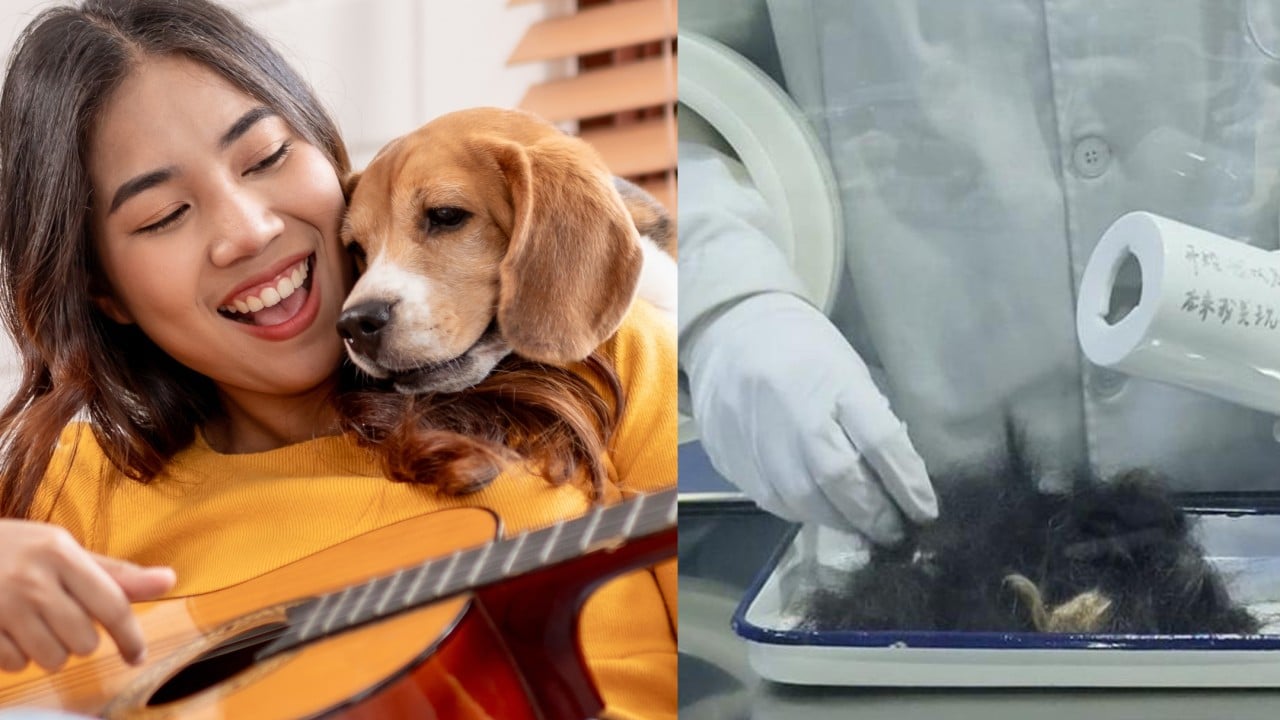
Moving beyond traditional urns and paw-print keepsakes, some grieving pet owners in China are having their companions’ fur and ashes turned into lab-grown diamonds.
A woman in northeastern China has sparked widespread debate about the growing industry after paying 8,950 yuan (US$1,350) for a diamond ring made using her dog’s fur.
According to Jimu News, Chen Xing, from Jilin province, commissioned the ring in 2020, as her toy poodle, Baobao, entered its senior years.
The 18-karat gold ring, delivered in February 2021, features a 0.5-carat, princess-cut diamond grown using the dog’s fur.
After Baobao died in April, Chen began wearing the ring every day, saying it makes her feel as though her pet is still by her side.
According to mainland media reports, producing a pet memorial diamond typically requires at least 3g of fur.
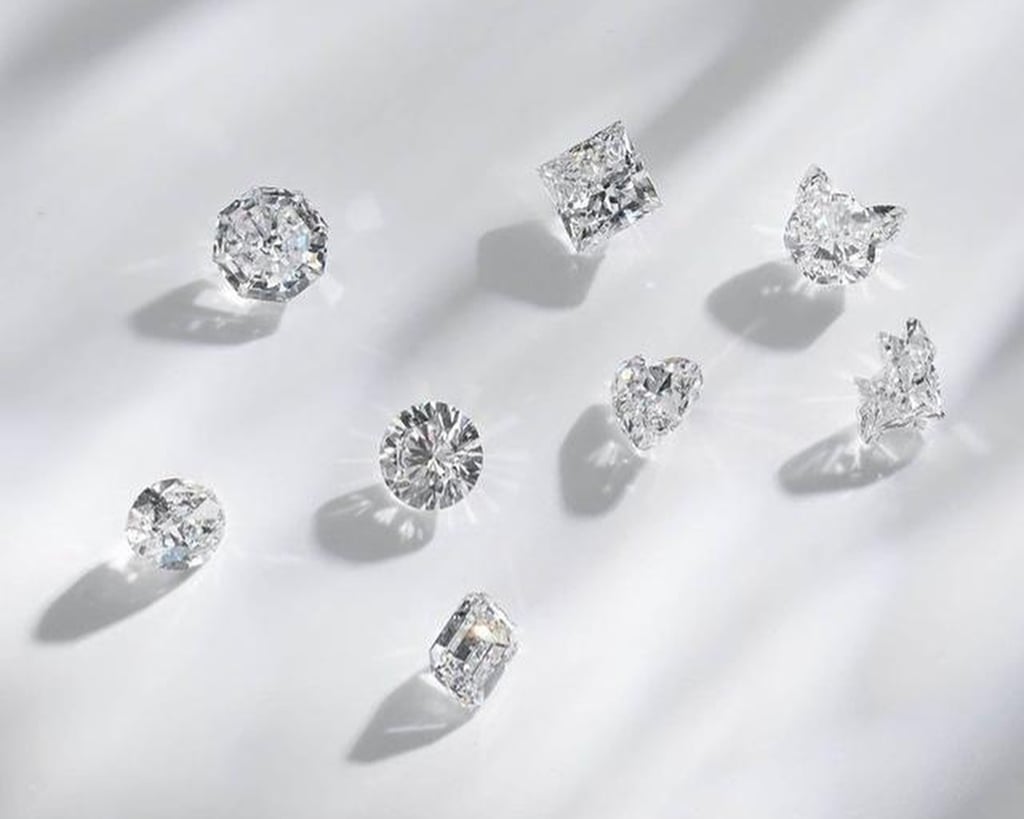
Vendors clean, dry and grind the fur or ashes to extract carbon. The carbon is then combined with other materials and subjected to high-pressure, high-temperature (HPHT) processes to grow a gem.
Some manufacturers even claim their stones are made entirely from carbon derived from pets.
Chen’s story reflects a booming niche market in China, where related topics have attracted more than 48 million views on social media.
One user, posting under the handle “Apple,” wrote that six months after her golden retriever died, she began wearing a diamond made in her pet’s memory alongside her wedding band every day.
“It can stay with me until I die. In a way, we are growing old together,” she wrote.
Reports indicate that at least 20 brands now offer pet memorial diamonds in China, with finished one-carat pieces typically costing 10,000 to 30,000 yuan (US$1,500-US$4,500).
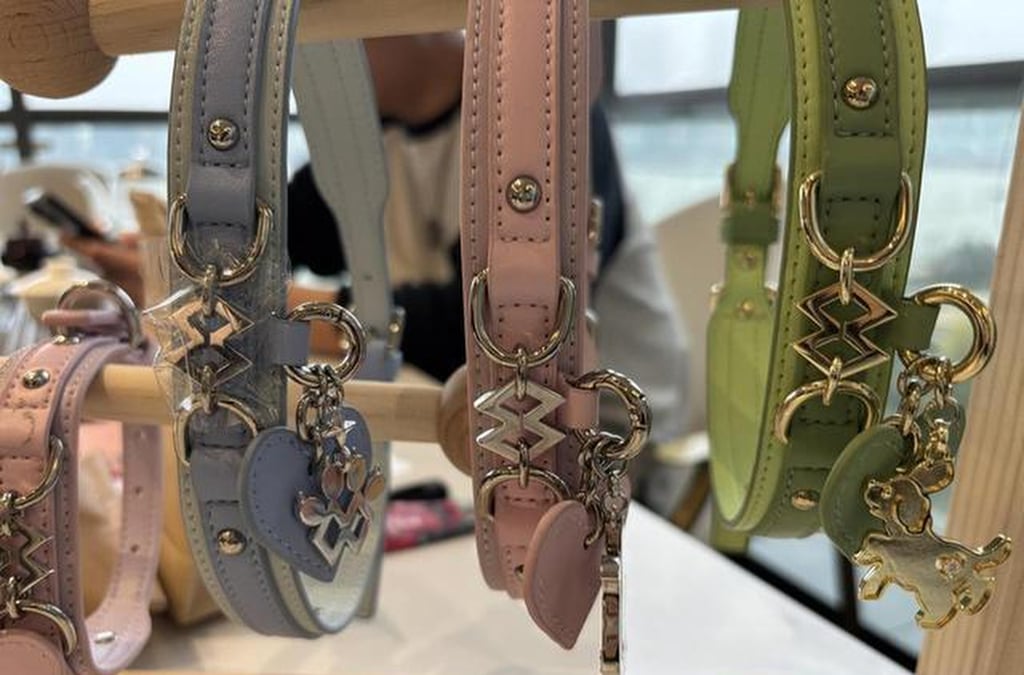
Luxury options cost considerably more. Swiss brand Algordanza, for example, charges from HK$101,420 (US$13,000) for a one-carat pet diamond and requires at least 11g of fur or 250g of ashes.
Domestic brands are also doing brisk business. According to Global E-businessmen, Yasheng, founded in 2021, generates several million yuan in annual sales. The company offers one-on-one videos, factory live-streams and in-person visits so clients can observe the creation process.
Ye Man, co-founder of rival brand ICEWALD, told Chao News that 80 per cent of the company’s clients are urban women aged 25 to 35 who regard pets as family and are willing to pay for that emotional bond.
Yet the industry’s rapid growth has drawn scrutiny over transparency and consumer protection.
Jewellery practitioners note that no appraisal method can confirm whether the carbon in a finished diamond actually came from a pet, leaving room for unscrupulous merchants to pass off ordinary lab-grown stones as bespoke keepsakes.
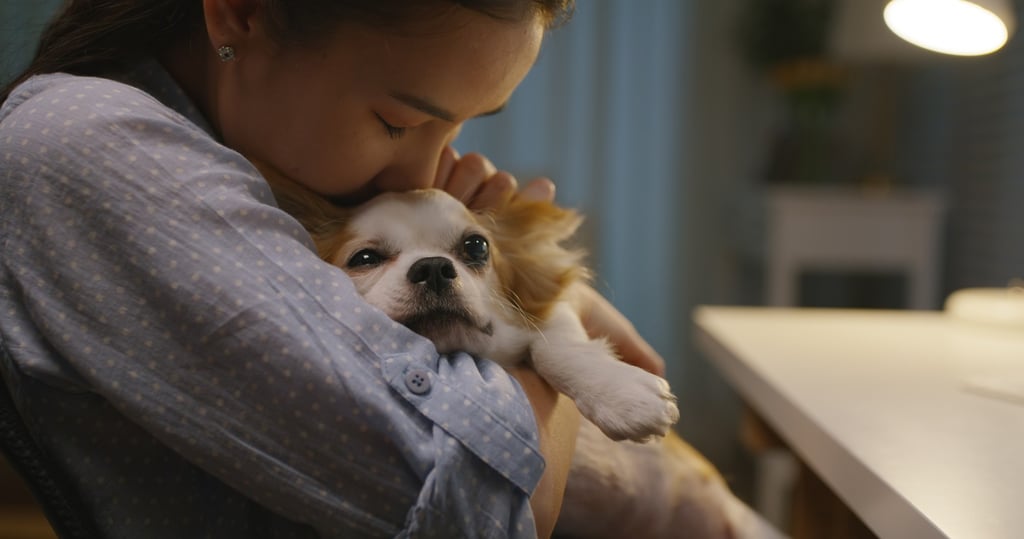
Industry insiders add that video documentation – the primary proof of authenticity – can easily be staged or edited. With no unified production or traceability standards, consumers may face significant hurdles in proving fraud if a dispute arises.
Public reaction, however, remains divided.
One online critic dismissed the trend as a grief-exploiting “IQ tax,” a Chinese slang term for overpriced gimmicks.
Another netizen said she preferred keeping her cat’s whiskers and fur in a pouch, calling diamonds “cold and hard.”
A third urged tolerance, noting that “every pet owner’s choice deserves respect.”
The debate highlights the scale of China’s urban pet economy, which reached 312.6 billion yuan (US$47 billion) last year, spanning 126 million dogs and cats.
KioskNews shows a cleaned-up reading view extracted from the publisher’s page — the original always lives on their site, not ours.