The Shadow War: Inside story of deadly SAS conflict with IRA revealed for the first time
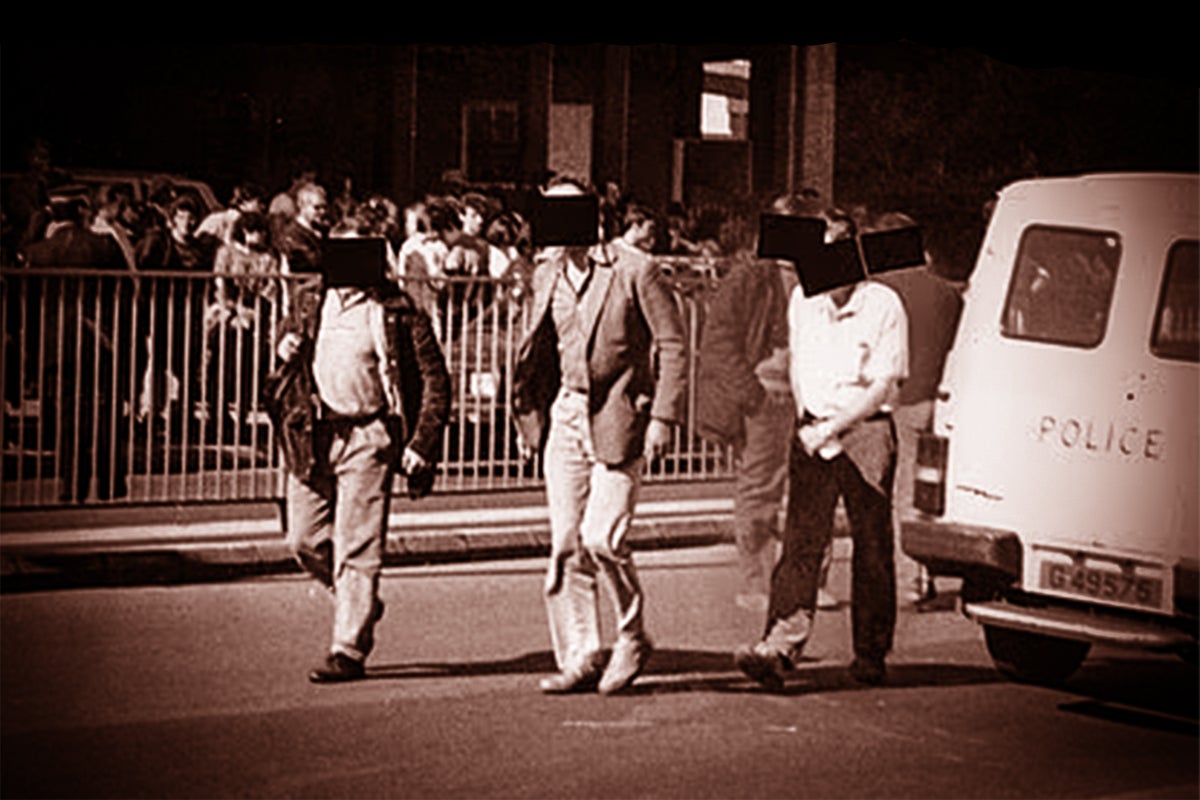
Fifteen SAS soldiers and intelligence officers have broken cover for the first time to tell their stories of how they came to kill members of the Irish Republican Army in some of the most controversial actions in decades of conflict in Northern Ireland.
Speaking with unprecedented candour – and many for the first time in public – about operations once veiled in secrecy, they describe how SAS soldiers posed as IRA targets in live murder plots, were burned out of hedgerows, shot at multiple times in a rural firefights and go on to tell how women were deployed as part of the special forces for the first time.
Speaking on The Independent’s podcast SAS: The Shadow War, a co-production with Aurra Studios, soldiers of the SAS and the men and women of the secretive 14 Intelligence Company go into extraordinary detail in what will become an historic public record.
Their testimonies range from the late 1970s to the late 1990s, shortly before the Good Friday Agreement brought an end to hostilities in 1998. Some are named – and filmed – while others have had their names changed and voices distorted to avoid detection.
The actions of the SAS in Northern Ireland have been the subject of intense scrutiny over the years, and prompted prolonged debate over whether some of the more bloody confrontations were part of a wider state-sponsored “shoot-to-kill” policy.
Blue*, a veteran of 14 Intelligence – an outfit usually known as “the detachment” or “the Det”, was on an observation post in South Derry on St Patrick’s Day 17 March 1978 when he saw a team of two armed men in paramilitary uniforms patrolling towards the hiding place he was sharing with another soldier.
“My gut was telling me something bad was going to go down to such a point that the hairs [on] the back of my neck started to come up. I’d never experienced that before,” he says. “They cocked their weapons, and then a millisecond after that, they just opened up with everything they had.
“It was just like a hail of gunfire at a range of 12ft. I was shot three times, and the third one went straight through me. It went through my stomach. And, of course, I'm trying to stop the bleeding with my hands.”
He thought he might die. His comrade, David Jones, was mortally wounded.
Yet somehow Blue, who, like almost all the contributors on the podcast, asked for anonymity because of fear of retribution, managed to scramble back to his knees and return fire as the duo withdrew, shooting as they left.
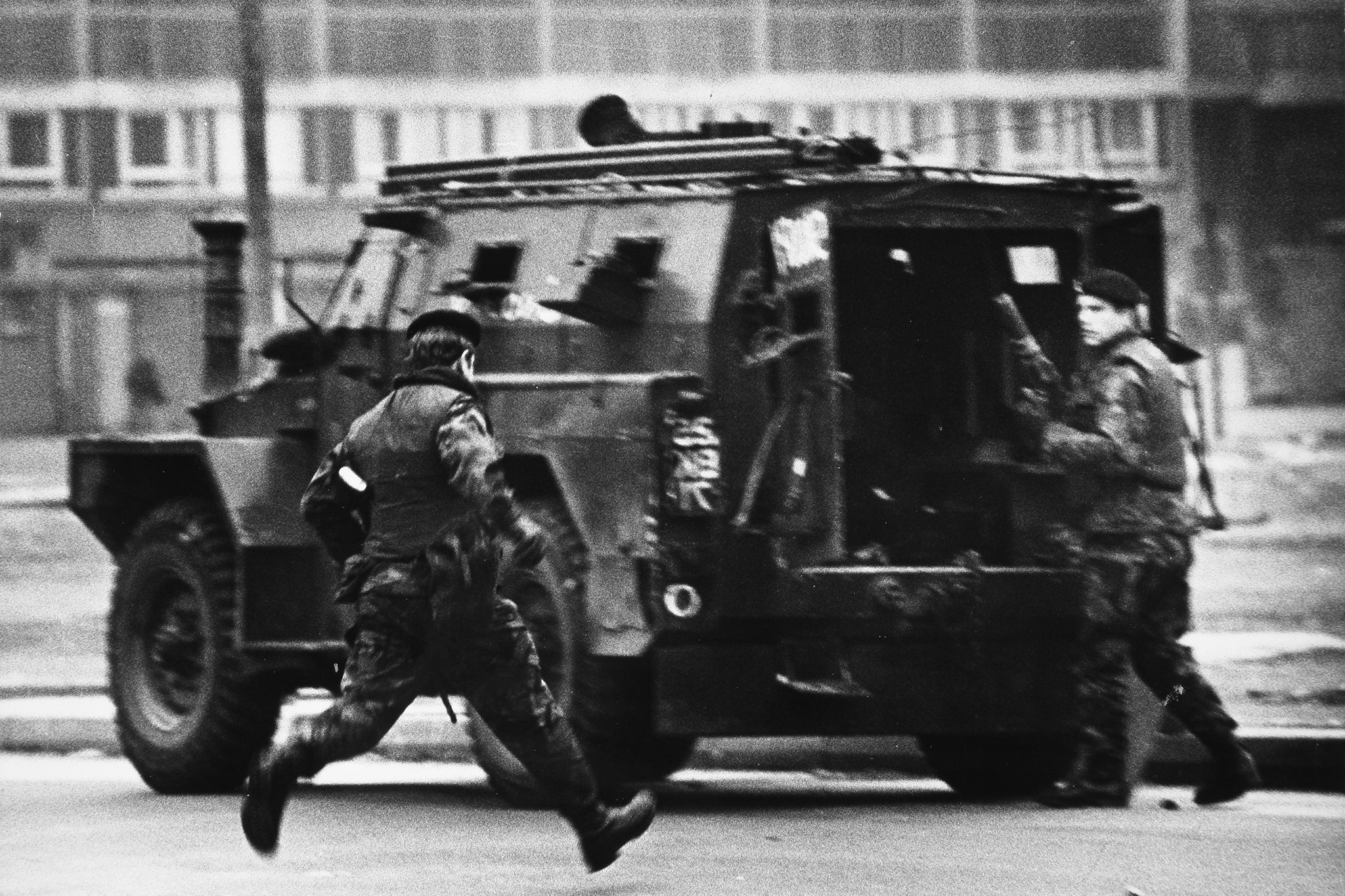
One of Blue’s bullets struck Francis “Frankie” Hughes in the leg. At 22, Hughes was already a senior volunteer in the IRA and the police described him as their most wanted man. He ran one of the IRA's active service units in the South Derry Brigade and was the man the Det team had been looking for.
While Blue survived, an injured Hughes crawled away from the scene but was tracked down a day later, arrested, jailed and later perished as the second of the IRA’s hunger strikers in the Maze prison in 1981.
Reliving his experience, Blue is speaking out for the first time as increasing numbers of the secret services sent into combat in Northern Ireland fear that new legislation, the Northern Ireland Troubles Bill, will make them vulnerable to “lawfare”.
This bill, introduced last year and currently working its way through parliament, repeals a previous Conservative bill that set limits on “legacy” prosecutions dating back decades involving the military and militant groups like the IRA.
This concern has driven many to speak out to explain how what they view as split-second decisions taken in combat decades ago have led to years of investigation and court appearances.
Incidents like the killing of three IRA gunmen at Drumnakilly in 1988, when George Simm, an SAS unit commander, volunteered to pose as the intended target, a part-time member of the security forces, who was a coal delivery driver.
“I remember I was fiddling around in the middle of the road and heard a car,” he says.
“It was definitely over-revving and it was racing up the road. And about 30 yards from where I was, out popped, who I now know to be young Martin Harte, and opened fire on me. And I counted his rounds...”
Seconds later, Harte, his brother Gerard and a third man Brian Mullan – who had come to a halt in the attack car – were dead, shot by an SAS team hiding in a hedgerow next to where George had faked a puncture on his truck.
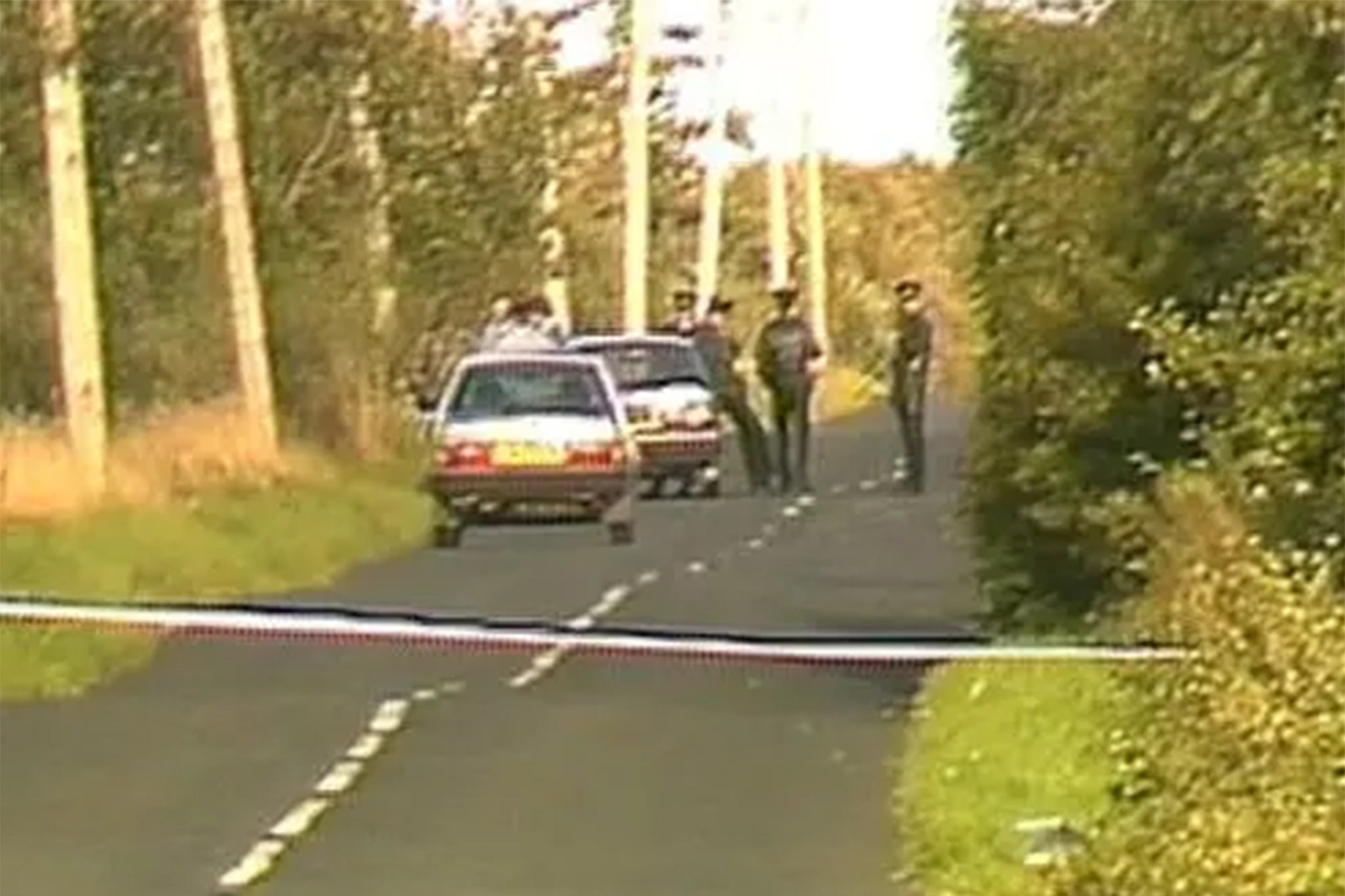
The incident became highly controversial as the families of the three men – dubbed the Drumnakilly martyrs by Irish Republicans – said it clearly illustrated the “shoot-to-kill” policy, ordered by the state. The families went on to take legal action.
For Richard Williams, a former commanding officer of 22 SAS who was a troop commander in Northern Ireland, “the currency of war is death”. An exchange he insists that both the IRA and British soldiers understood.
“It’s the only human exchange where death has a value. You defeat your enemy by destroying his courage, and you destroy his courage by killing his forces,” he says.
He reserves special contempt for politicians he says have betrayed the military covenant in backing new legislation that risks “punishment by process” for former soldiers.
“We’ve got these new laws, so we’re going to try and [play] gotcha using those new laws relating to something you did – directed by us politicians – against those that were trying to kill your politicians and your citizens, 30, 40 years ago.”
Listen to the first three instalments of SAS: The Shadow War now, or become an Independent Member for exclusive early access to the entire series. Available on Apple Podcasts and Spotify
KioskNews shows a cleaned-up reading view extracted from the publisher’s page — the original always lives on their site, not ours.