Two people dead after Legionnaires’ disease outbreak – what to know about the illness
Two people have died after contracting Legionnaires’ disease in South Yorkshire, the health watchdog has reported.
An outbreak in Rotherham in September was confirmed by the UK Health Security Agency (UKHSA) in early October. The source of the contamination has not yet been identified and it remains unclear whether the Legionnaires caused or contributed to the deaths.
The agency said that the majority of those affected by this outbreak had been hospitalised and were receiving appropriate medical care. It remains unclear how many people have been affected.
UKHSA Yorkshire and the Humber is currently investigating the outbreak to identify any common links, working closely with local authorities, environmental health teams as well as the health and safety executive to map the movements of anyone who has been affected. They will assess potential environmental water sources.
Patients and their families are being interviewed the retrace their movements and identify any common locations.
As the investigation is ongoing, there is no current evidence of a common source and no buildings have been closed.
Here is what we know about the illness:
What is Legionnaires’ disease?
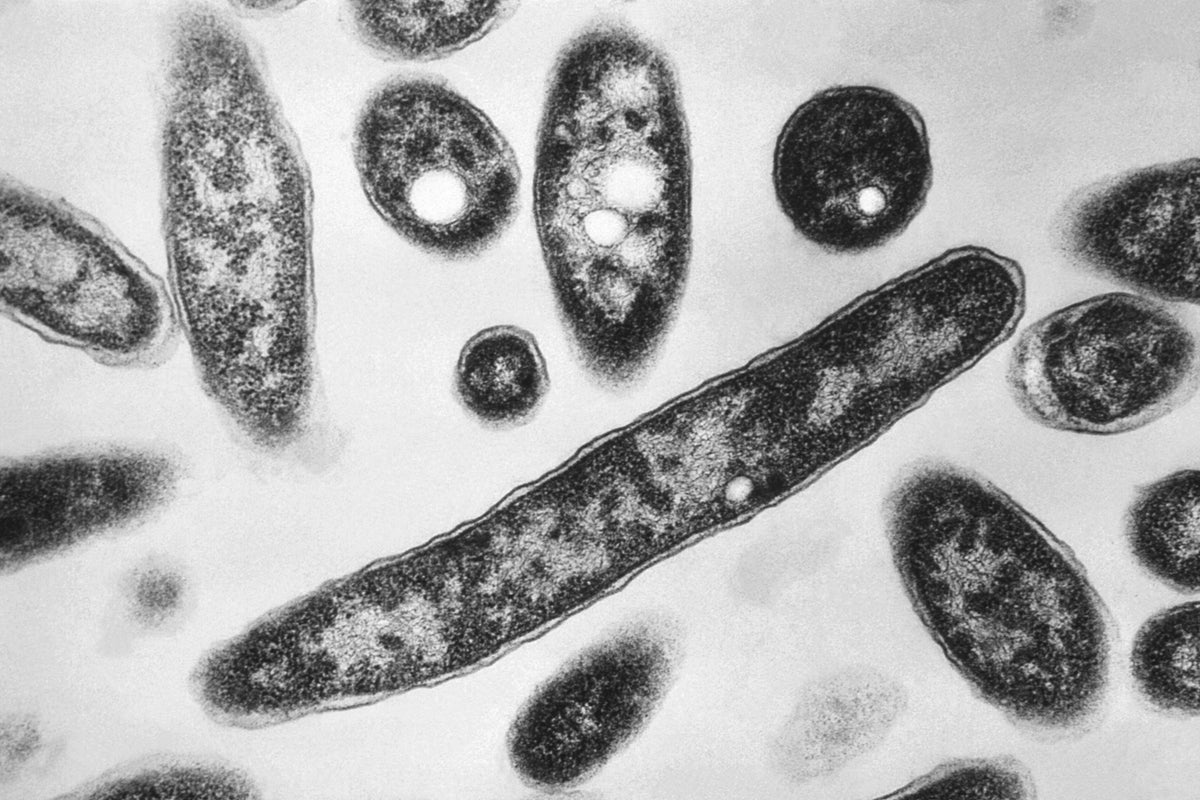
Legionnaires’ disease causes a severe pneumonia, with symptoms including a flu-like illness with muscle aches, tiredness, headaches, dry cough and fever. It’s caught by breathing in tiny droplets of water containing the bacterium Legionella pneumophila.

This bacteria can be found in air conditioning systems, showers and taps which have not been properly installed or maintained. Legionella only multiplies to dangerous levels in standing water where nutrients are present at temperatures between 20-45C. Below 20C, it remains dormant and above 60C, it cannot survive.
Typically its public health risk remains low as the disease is not usually passed from person to person. As such, most cases are reported in isolation - but outbreaks can occur. In 2024, 472 cases of legionella were reported to the UKHSA.
Legionnaires’ disease mainly affects people over 50 years of age, more so men than women, but all ages can be affected.
Its incubation period can range from 2 to 19 days, with an average of 6 to 7 days after exposure.
Legionnaires’ disease is routinely treated with antibiotics but can require hospital treatment.

What has the UKHSA said about the outbreak?
Dr Andy Irvine, consultant in health protection at UKHSA Yorkshire and Humber, said that the outbreak was first identified in September and the risk to the public remained low.
"The legionnaires’ disease outbreak in Rotherham was first identified in September and there has been no further reported cases of legionella within the area since the beginning of October 2026. The risk to the public remains low,” he said.
“We are continuing to work with Rotherham Council to identify if there are any links between cases and potential common sources for public health action, but currently a common source has not been identified and for a substantial proportion of Legionnaires' disease cases, the source is not always found.
“We are aware that two people who had legionnaires disease have died, though it is not currently confirmed if the disease contributed to, or caused, these deaths. We have provided relevant information to the coroner as part of the coronial process. It would not be appropriate for us to comment further while this is ongoing.
"Signs and symptoms of Legionnaires' disease include a flu-like illness with muscle aches, tiredness, headaches, dry cough and fever. Anyone with these symptoms should call NHS 111 or their GP for medical advice.
"Legionnaires' disease is routinely treated with antibiotics and may require hospital treatment. It is not usually passed from person to person."
KioskNews shows a cleaned-up reading view extracted from the publisher’s page — the original always lives on their site, not ours.