National Payments body pushes UPI merchant discount rate implementation till after Diwali
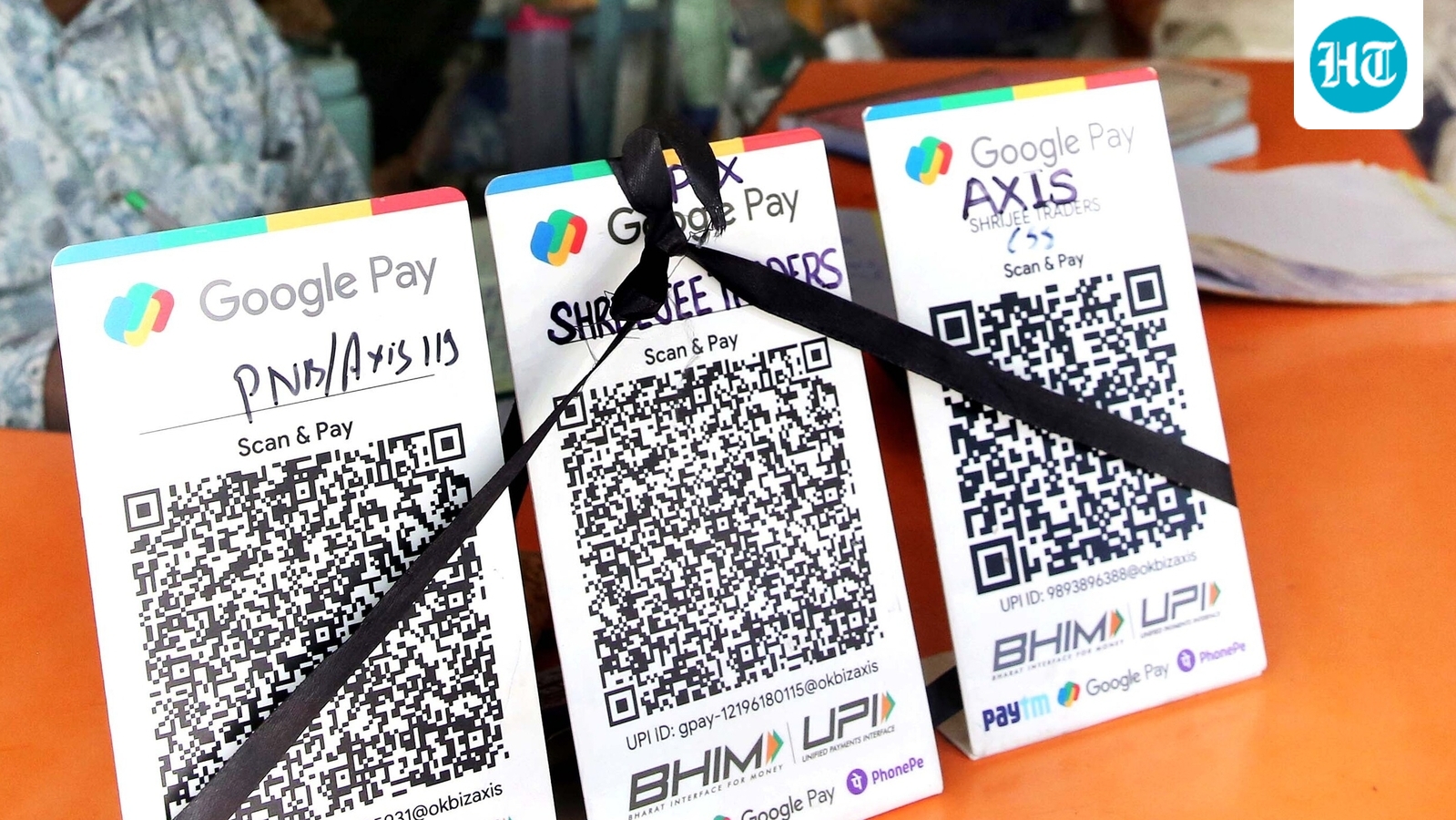
The National Payments Corporation of India (NPCI), which operates India’s retail payments and settlement systems, on Tuesday deferred the implementation of a 0.4% merchant discount rate (MDR) on select UPI transactions above ₹2,000, just two days before the scheduled rollout.
The deferment is temporary, and a fresh implementation date will be announced after Diwali.
Also Read I MDR a small fee, will not have major impact on UPI volumes: RBI Governor Sanjay Malhotra
“The UPI and Services Steering Committee today decided that, keeping in mind the festive season, the Merchant Discount Rate (MDR) on select Person-to-Merchant (P2M) UPI transactions shall be implemented immediately post-Diwali, on a date to be notified separately,” Mumbai-based NPCI said in a statement.
MDR of 0.4% release date pushed
A circular issued by NPCI last month had set an MDR of 0.4% on select P2M payments above ₹2,000 made through popular UPI apps such as Paytm, PhonePe and Bharat Interface for Money (BHIM), with implementation scheduled for October 15. NPCI had clarified that merchants, not consumers, would pay the fee. The levy was also capped at ₹300 for transactions of ₹75,000 or more.
The decision drew sharp criticism from some trade bodies and Opposition parties, which called it a tax and warned that it could push people towards cash payments. They argued that merchants would pass on the additional cost to customers rather than absorb it.
As per the September 15 circular, person-to-person payments were to remain free. For essential services such as railways, telecom, fuel and insurance, the MDR was capped at a flat ₹5 per transaction above ₹2,000.
To address concerns among petrol pump dealers, NPCI issued frequently asked questions (FAQs) explaining how MDR would apply to fuel purchases made through UPI.
“Fuel purchases made at petrol stations via UPI qualify for the flat concessional rate of ₹5 for payments over ₹2,000. The flat ₹5 fee protects petrol pump operators from high processing fees on tank refills. For all fuel payments under ₹2,000, the MDR remains at 0%, ensuring everyday commuter refuelling is completely charge-free, while fuel station operators are not subject to any MDR on such transactions,” the FAQ said.
Also Read I UPI’s next chapter is about making scale sustainable
India SME Forum president Vinod Kumar welcomed the deferment, calling it a “wise and timely decision” and commending the government for recognising the need to protect micro, small and medium enterprises (MSMEs) during the festive season. “Our survey of 7,497 enterprises underscores why this matters. Over 97% of respondents said UPI had helped increase sales or prevent customer loss, while nearly 93% reported improvements in cash flow or collections. UPI has become an essential part of how small businesses sell, collect payments and grow,” he said.
The survey also highlighted the sensitivity of these enterprises to additional costs. Nearly 48% of respondents said they would add the proposed charges to product or service prices, while almost 32% said they would encourage customers to pay cash.
KioskNews shows a cleaned-up reading view extracted from the publisher’s page — the original always lives on their site, not ours.