How AIIMS doctors operated on unborn baby to repair spinal defect: All you need to know
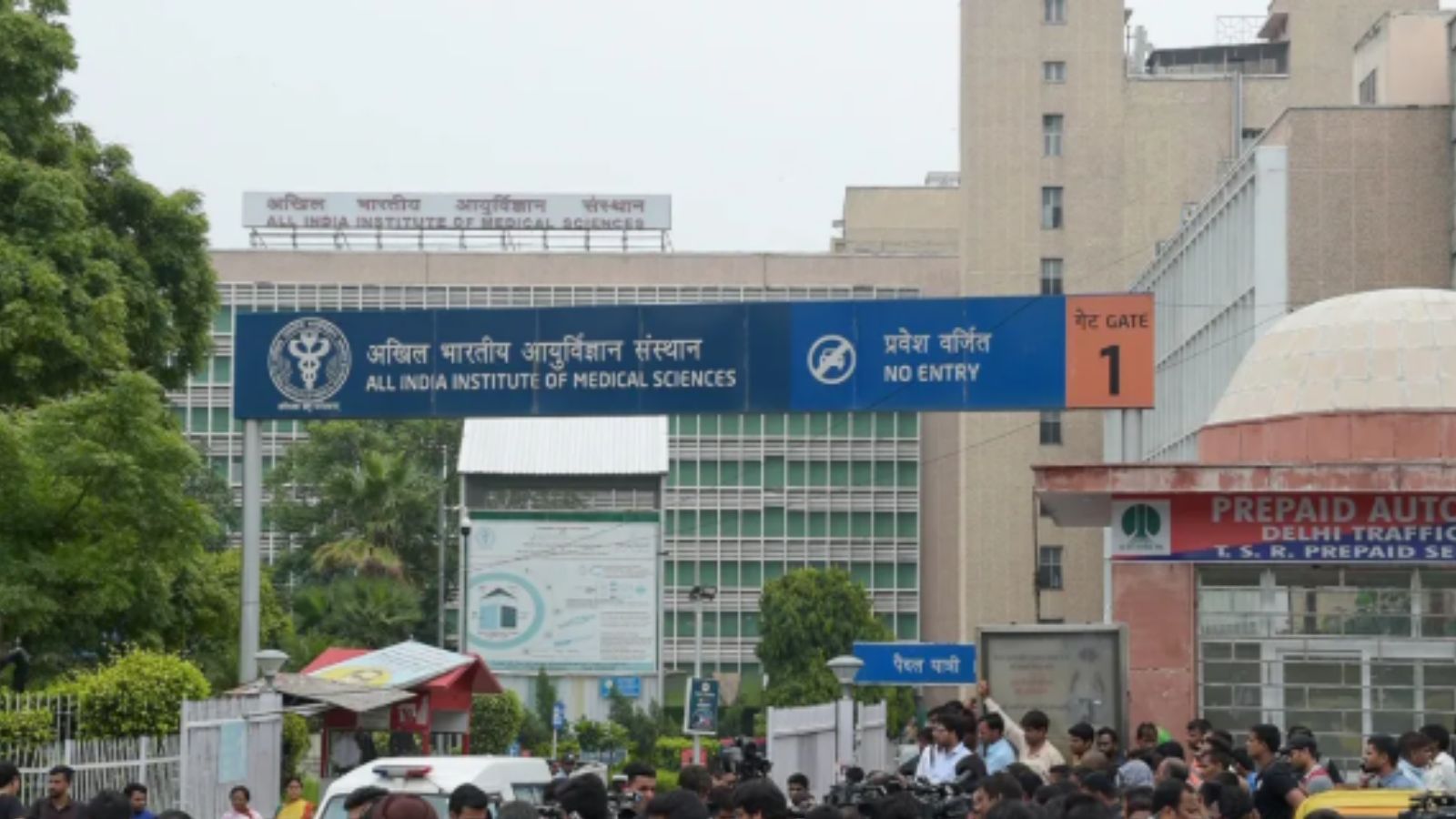
The All-India Institute of Medical Sciences (AIIMS), New Delhi, has performed India’s first open foetal surgery to repair a spinal defect in an unborn baby, marking an important milestone in the country’s ability to treat certain birth defects in the womb.
The operation was performed at around 25 weeks of pregnancy on a foetus diagnosed with myelomeningocele, a severe condition in which a part of the spinal cord and its protective coverings protrude through an opening in the backbone. The approximately six-hour procedure involved more than 30 doctors, nurses and other healthcare professionals. The mother and foetus are being closely monitored following the surgery.
The team included neurosurgeon Dr Deepak Gupta, Professor of Neurosurgery at AIIMS Delhi, and maternal-foetal medicine and obstetric specialists Dr Neena Malhotra and Dr K Aparna Sharma. The procedure was reportedly provided free of charge under the Janani Shishu Suraksha Karyakram.
The surgery offers Indian families access to an intervention previously available largely at a handful of highly specialised centres around the world: repairing an exposed spinal cord while the baby is still in the womb, rather than waiting until after birth. However, this is not a cure. Prenatal repair can improve the chances of better neurological outcomes in carefully selected cases, but cannot reverse damage that has already occurred or guarantee that a child will walk normally or avoid lifelong medical care.
The significance, Dr Gupta says, is that AIIMS Delhi has translated an internationally established, highly specialised foetal-repair programme into a public-sector Indian academic setting. “This achievement reflects our capacity to bring globally established, highly complex foetal care within reach of Indian families through science, teamwork, ethics and public-sector commitment,” he says.
What is myelomeningocele?
Myelomeningocele is the most severe open form of spina bifida, a birth defect that occurs when the neural tube — the structure that develops into the brain and spinal cord — does not close completely during the first month of pregnancy, often before the pregnancy is recognised.
An opening remains in the backbone through which the protective membranes and some spinal cord tissue protrude. The exposed neural tissue is vulnerable to damage during pregnancy. Depending on the location and severity of the defect, children may experience weakness or paralysis in their legs, difficulty walking, and problems controlling their bladder and bowel. Some develop hydrocephalus, a condition in which excess fluid accumulates in the brain and may require surgery to insert a shunt. Another associated complication is when parts of the hindbrain extend towards the spinal canal.
Story continues below this ad
The severity varies considerably. Some children become independently mobile, while others need braces, walkers or wheelchairs and continuing medical support.
Why operate before birth?
Traditionally, surgeons close the spinal defect after the baby is born. Foetal surgery seeks to intervene earlier, while the pregnancy is continuing. The reasoning is that the exposed spinal cord may sustain additional damage during pregnancy through prolonged exposure to amniotic fluid and mechanical irritation. Closing the defect before birth may protect the neural tissue from further injury.
How is the surgery done?
In an established open foetal repair, the mother undergoes surgery under anaesthesia. Surgeons make an incision in her abdomen to reach the uterus. With ultrasound guidance, they identify the position of the foetus and placenta before making a controlled opening in the uterus so that the foetus remains connected to the placenta through the umbilical cord. The surgical team carefully positions the foetus to access the spinal defect. The paediatric neurosurgical team then closes the opening using microsurgical techniques, covering the exposed tissue in layers. The uterus and the mother’s abdomen are subsequently closed, allowing the pregnancy to continue under close monitoring.
Why did it take nearly 14 years for AIIMS to make this possible?
According to Dr Gupta, the idea of establishing a dedicated foetal-surgery programme at AIIMS Delhi dates back to 2012, immediately after the results of the landmark Management of Myelomeningocele Study (MOMS) were published.
Story continues below this ad
“The intervening years were needed to develop the institutional expertise and infrastructure required for such a complex intervention. Foetal surgery cannot be treated as a single operation. It requires a complete maternal-foetal care programme, including rigorous patient selection, non-directive counselling, ethical oversight, established operative protocols, emergency preparedness and long-term follow-up planning,” he says.
At AIIMS, this meant bringing together paediatric neurosurgery, maternal-foetal medicine, obstetrics, obstetric and neuroanaesthesia, foetal imaging, neonatology, intensive care, nursing and allied specialists.
The ethical dimension was equally important. The mother has to accept real surgical and future obstetric risks for a possible benefit to her unborn child. Safety and ethics therefore had to remain paramount. For this particular case, detailed imaging review, counselling, simulation and multidisciplinary preparation continued for more than five weeks.
How common is this procedure?
The procedure is not the world’s first. Open foetal repair for myelomeningocele has been established at specialised centres in the US, Latin America and Europe. Centres such as the Children’s Hospital of Philadelphia, UCSF, University Hospitals Leuven and University College London Hospitals have experience in foetal surgery.
Story continues below this ad
There are two broad approaches: open surgery, in which the uterus is opened to repair the defect, and foetoscopic surgery, which uses a camera and instruments inserted through smaller openings. AIIMS has reported performing the open procedure.
What does the evidence say about outcomes?
The strongest evidence for prenatal repair comes from the US Management of Myelomeningocele Study, or MOMS trial, which compared surgery before birth with conventional repair after birth.
The trial found that prenatal surgery reduced the likelihood of needing a shunt to drain excess fluid from the brain and reduced hindbrain herniation. It also showed improvements in certain measures of motor function.
Longer-term studies suggest some benefits may persist into school age. In one follow-up study, independent walking without braces or other assistive devices was reported in 29% of children who underwent prenatal surgery, compared with 11% of those who had postnatal repair. However, the difference did not reach conventional statistical significance and must be interpreted cautiously.
Story continues below this ad
Prenatal repair can, therefore improve the odds, but does not guarantee independent walking. A child’s outcome depends on the level of the spinal defect, the extent of nerve damage before surgery, existing muscle function and complications such as hydrocephalus. Rehabilitation and access to specialist care also play important roles.
What are the risks for the mother and baby?
For the mother, risks include bleeding, infection, complications from anaesthesia and premature contractions. There is also a possibility of premature rupture of membranes, reduced amniotic fluid, premature delivery and, in serious cases, pregnancy loss. The uterine incision can affect future pregnancies by increasing the risk of uterine rupture or separation. Women who undergo open foetal surgery generally require planned Caesarean deliveries. These risks make careful counselling and patient selection essential.
For the child, the procedure does not eliminate the possibility of paralysis, bladder and bowel dysfunction, hydrocephalus, spinal cord tethering or orthopaedic complications. Some children will require continuing neurosurgical, urological, orthopaedic and rehabilitation care.
Can other government hospitals replicate the programme?
Dr Gupta believes this is possible, but only through carefully developed, designated tertiary referral centres. As he puts it, “This should never be an occasional or isolated procedure.” India would need to progressively develop a small number of audited regional centres while strengthening prevention and antenatal screening nationwide.
Story continues below this ad
How many babies in India are affected, and what happens next?
India has a substantial burden of neural tube defects. Estimates suggest around 1.2 lakh babies may be born with neural tube defects annually, including approximately 20,000-30,000 with open defects such as myelomeningocele. This underlines the importance of prevention, particularly folic-acid supplementation before conception and during early pregnancy, and food fortification, alongside advanced foetal diagnosis and care.
KioskNews shows a cleaned-up reading view extracted from the publisher’s page — the original always lives on their site, not ours.