Will Jensen Huang Stay? What Betting Markets Signal For Nvidia
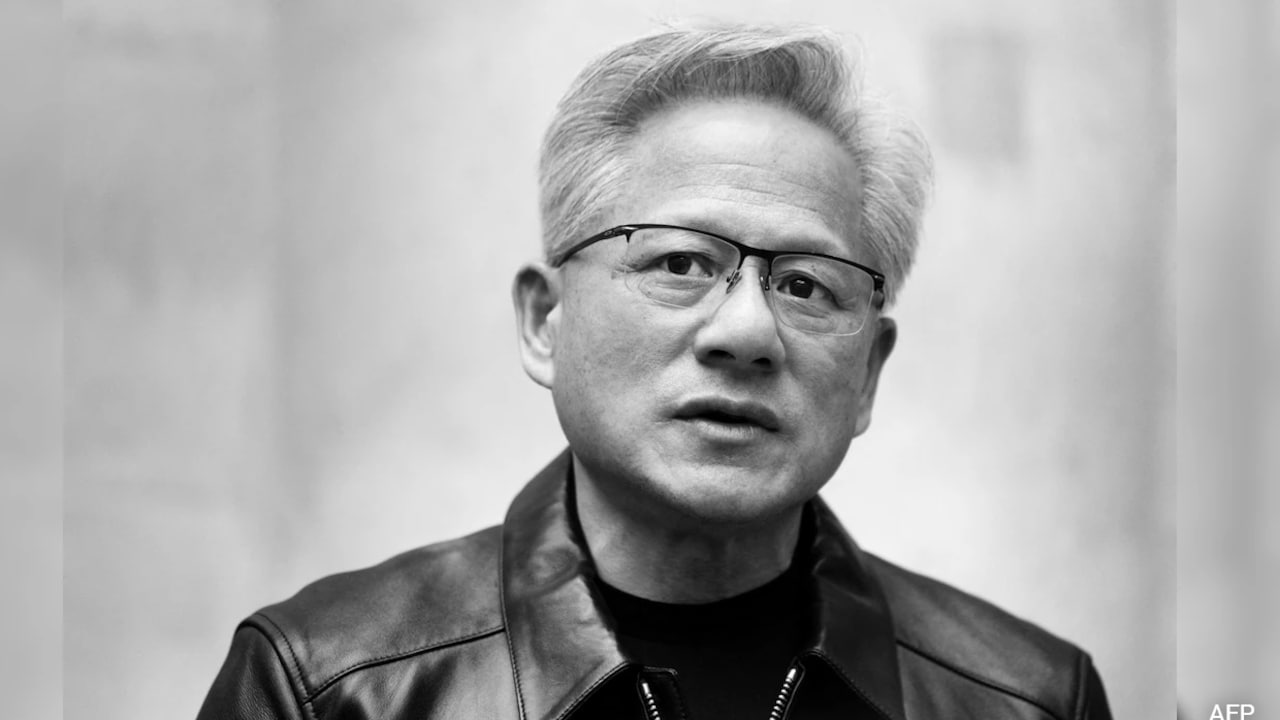
Nvidia CEO Jensen Huang is facing a fresh challenge to his leadership. But despite growing scrutiny over his personal life and the chipmaker's decision to investigate allegations involving a suspected Chinese intelligence operation, betting markets are not convinced that he is about to leave the company.
Prediction markets have begun tracking when Huang could resign or be removed as Nvidia CEO. The early verdict is relatively clear: Huang is more likely to remain in charge than walk away in the immediate future.
The uncertainty comes at a sensitive moment for Nvidia. The company is at the centre of the global artificial intelligence boom, and Huang remains one of its most influential figures. Any disruption to his leadership could have implications far beyond the company.
Also Read | Layoffs Are Rising In Tech, But These Skills Are Helping People Unlock Better Pay
Jensen Huang Exit Odds: What Prediction Markets Say
The latest odds suggest that traders see a near-term departure as unlikely. Kalshi traders assigned Huang a 17 per cent chance of leaving Nvidia by 2027. The probability rises to 30 per cent by 2028 and 35 per cent by 2029. However, the odds of his departure by 2031 climb to 75 per cent.
Polymarket traders also appear cautious about predicting an immediate exit. They placed roughly one-in-four odds on Huang resigning or being forced out by the end of March 2027. These numbers are not forecasts from Nvidia's board or official succession plans. They reflect how traders price the possibility of different outcomes.
Nvidia Board Investigation Puts CEO Under Scrutiny
The uncertainty follows Nvidia's announcement of an independent investigation into reports that Huang had been targeted by a foreign intelligence operation.
Huang acknowledged an extramarital affair with a woman whom US intelligence officials reportedly believe is linked to China's Ministry of State Security. The allegations have raised questions about whether the relationship exposed Nvidia, its technology or sensitive discussions to security risks.
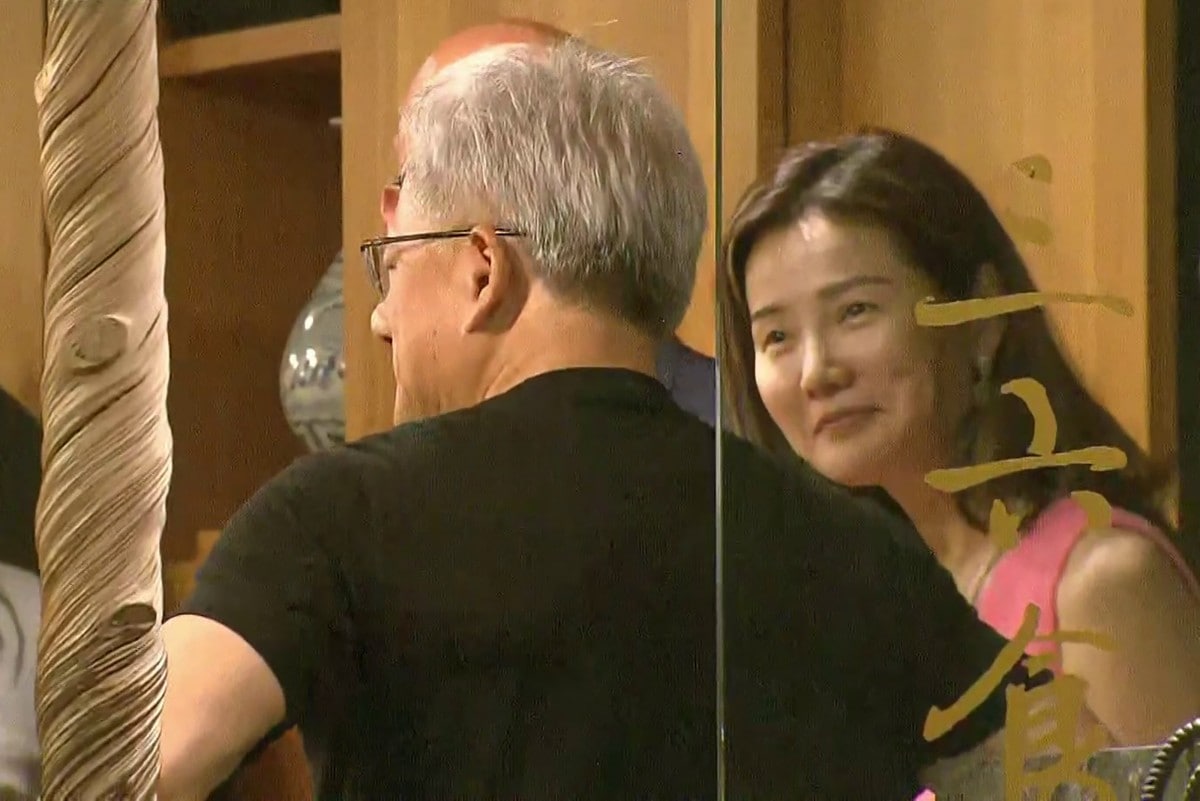
Jensen Huang with alleged Chinese spy Alice Huang. (Credit: AFP)
Nvidia's board has said it has confidence in Huang and his leadership team. But the investigation could prove critical in determining whether he remains at the helm. A personal controversy alone does not necessarily force a CEO out. Any evidence of compromised company information, interference with investigations or regulatory violations could change the picture substantially.
Jensen Huang's Exit Could Reshape Nvidia, AI Industry
Huang has led Nvidia since co-founding it in 1993. Over three decades, he has transformed the company from a graphics-chip maker into a central supplier of artificial intelligence infrastructure.
His leadership style has also made Nvidia unusually dependent on one individual. Huang has operated Nvidia with an unusually flat management structure and an extensive list of direct reports. He has played a central role in almost every major business decision, leaving the company without an obvious successor.
That raises a difficult question for investors. Can Nvidia maintain its momentum if Huang leaves?
The Canadian Broadcasting Corporation has also examined whether Nvidia could survive without its longtime chief executive. The issue is not simply whether another executive could take over. It is whether someone else could replicate Huang's vision, relationships and ability to drive the AI industry forward.
A leadership change could therefore introduce uncertainty even if Nvidia's underlying chip business remains strong.
Jensen Huang's Influence On US AI Policy Could Take A Hit
Huang's potential departure is not the only concern. Even if he retains his position, the controversy could weaken his influence over Washington's artificial intelligence policies.
Huang has been a prominent advocate of allowing Nvidia to compete in China. He has argued that American companies should be able to sell AI computing products in the Chinese market, rather than surrendering that opportunity to domestic rivals.
He has also opposed regulations that could restrict the development and distribution of open-source AI models. "Now, the controversy could strengthen the position of policymakers who favour tighter restrictions on AI chip exports to China and greater regulation of open-source AI," an AI and policy expert told NDTV.
Restrictions on selling advanced chips overseas could affect its addressable market and growth opportunities. In other words, Huang may not need to leave Nvidia for the company to lose some of his influence over America's AI strategy.
KioskNews shows a cleaned-up reading view extracted from the publisher’s page — the original always lives on their site, not ours.