Celebrate the flavors of fall with three spicy recipes
Adapted from Spiced: Recipes Celebrating Spices from Around the World by Priya Mani. (Phaidon, US $54.95, 2026)
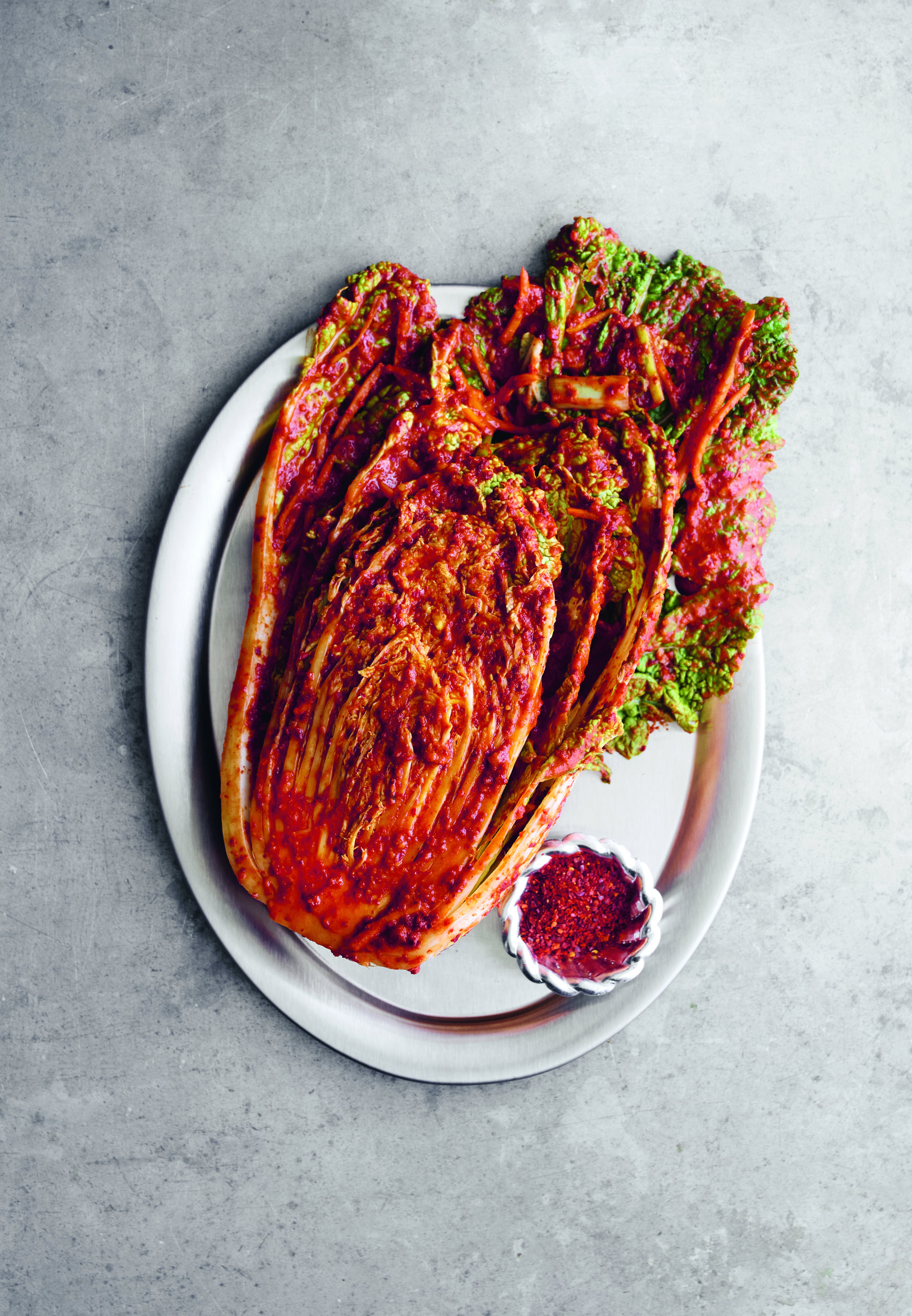
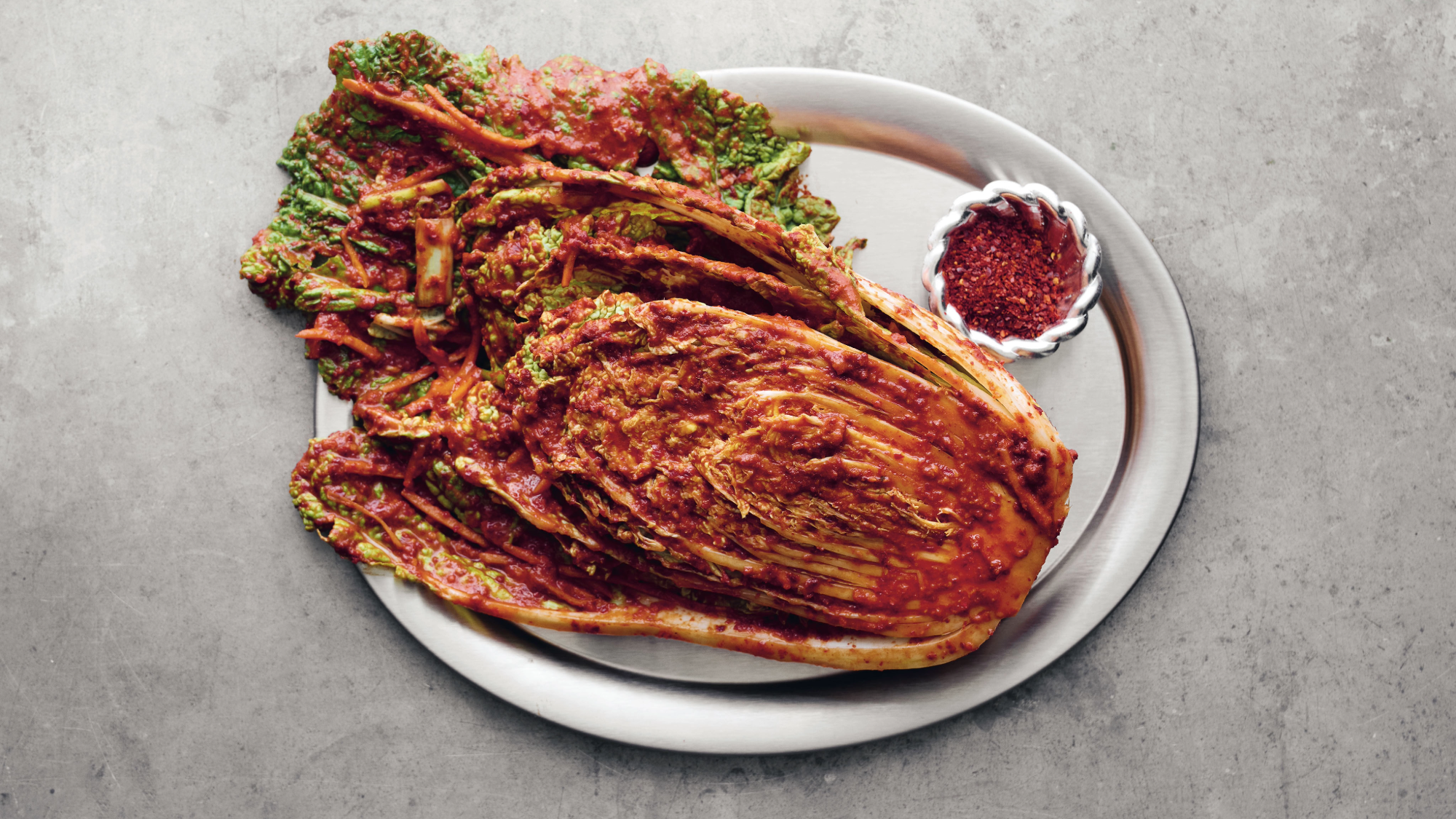
Kimchi / Baechu kimchi
Makes: about 2 1/4 lb / 1 kg kimchi
Preparation time: 30 minutes, plus 2 hours standing and 8–16 days fermenting
Cooking time: 8–10 minutes
In Korea, families gather each fall (autumn) for kimjang, to make and share large batches of kimchi to sustain them through the winter. This version is classic baechu kimchi made with napa (Chinese) cabbage. Seek out fermented shrimp, saeujeot, at a Korean grocery, while glutinous rice flour, coarse gochugaru flakes, and dashi (powder and concentrate) are available in Asian stores.
Kimchi transforms in flavor and texture as it ferments. Fresh kimchi, baechu geotjeori, is crisp, with a bright gochugaru flavor; it pairs with steamed rice, salads, or bibimbap. After a month, kimchi is sour and piquant; add it to pancakes, kimchijeon, soup, kimchi guk, and Korean Fried Rice (Kimchi-bokkeumbap, page 154). When the kimchi has aged and soured, use it to make rich stews such as kimchi jjigae or mukeunji jjigae, a slow-braised pork stew.
INGREDIENTS
- 1 large napa (Chinese) cabbage (Brassica pekinensis), about 2 1/4 lb / 1 kg
- 1/ 8 cup (1 oz / 30 g) coarse sea salt
- 2 tablespoons glutinous rice or all-purpose (plain) flour
- 1 cup (8 fl oz / 250 ml) dashi or vegan dashi
- 1 tablespoon turbinado (demerara) sugar
- 5 cloves garlic, minced
- 3/4-oz /20-g piece fresh ginger, minced
- 1 small yellow onion, halved
- 1/4 cup (2 fl oz / 60 ml) fish sauce (optional, or replace with soy sauce for a plant-forward version)
- 2 tablespoons fermented shrimp (Korean-style saeujeot, see Glossary, page 481), minced (optional)
- 1 cup (4 oz / 120 g) finely milled gochugaru
- 1 small Asian pear (bae), grated, or a small apple (optional)
- 3 scallions (spring onions), cut into rings
- 1 small Korean radish or daikon, cut into thin matchsticks, 2 inches (5 cm) long
- 1 small carrot, cut into thin matchsticks, 2 inches (5 cm) long
DIRECTIONS
Score the base of the napa (Chinese) cabbage and tear it in half lengthwise. Submerge it in a large bowl of cold water for a few minutes. Remove, and rub the coarse sea salt between the cabbage leaves and set aside to weep in a large bowl for 2 hours; toss the cabbage occasionally.
To make the kimchi paste, whisk the rice flour with the dashi in a small saucepan, making sure there are no lumps. Place it over medium-low heat for 8–10 minutes, stirring constantly until it thickens into a translucent paste. Stir in the sugar, remove from the heat, and let cool for about 15 minutes.
In a blender, combine the cooled paste, garlic, ginger, onion, fish sauce (or soy sauce), and minced fermented shrimp, if using, until smooth. Scoop it into a large bowl, add the gochugaru, Asian pear, scallions (spring onions), radish, and carrot and mix well. This is called yangnyeomjang. Set it aside while you prepare the cabbage.
Drain the cabbage and wash well in multiple changes of cold water. Taste a leaf, it must be well salted and crispy. If it is too salty, let it soak in a bowl of fresh, cold water for 30 minutes more. With very clean hands (or wearing food-grade gloves), spread the yangnyeomjang paste between the cabbage leaves, ensuring an even coating. Fold each half cabbage tightly and pack into suitably sized sterilized glass jars (see page 479). Leave at room temperature for 1–2 days to start fermenting, then store in the refrigerator. For the best flavor, let it ferment for at least 1–2 weeks before eating. Properly stored, kimchi lasts for months in the refrigerator, developing deeper flavors over time.
Cheongyang gochu / C. annuum / 8,000–10,000 SHU
In Korean, gochu simply means chile. Gochugaru, or chile powder specifically used for kimchi, can be milled from several varieties of local chile to suit regional preferences, though the mild, dried, red hong gochu is a good base chile. Another variety, Cheongyang gochu, grown in Cheongyang in South Korea, is a cross with spicy Thai chiles that yields a more pungent product, which can be added to the gochugaru to taste. Red hong gochu are harvested at full maturity, then dehydrated mechanically, but in traditional practice, they are laid out under the clear fall (autumn) sun for several days in a method called taekyung (or taeyangcho). The peppers are then split open and the stems, seeds, and pith are removed, leaving a brilliant red fruit behind. This is milled to produce flakes or a coarse powder, shiny and full of luster. Gochugaru is sold as coarse or finely milled powder.
Kimchi Fried Rice / Kimchi-bokkeumbap
Serves: 4
Preparation time: 15 minutes, plus 3 hours for cooling the rice
Cooking time: 20 minutes
Kimchi fried rice is a quick dish to make with matured kimchi. You can use leftover rice, or cook it for the dish as this recipe describes, though as with most fried-rice dishes, day-old rice works best. You can let the rice dry out for a few hours or refrigerate it for the best results. Gochujang is stocked in the Asian pantry aisle of supermarkets.
INGREDIENTS
- 1 cup (7 oz / 200 g) short- or medium-grain rice, or 1 lb 5 oz / 600 g cooked rice
- 2 teaspoons toasted sesame oil, plus extra for drizzling
- 1 tablespoon neutral oil
- 3 1/2 oz / 100 g ground (minced) beef or firm tofu, cut into bite-sized pieces
- 1 clove garlic, minced
- 2 scallions (spring onions), green parts only, cut into thin rings
- 7 oz / 200 g well-fermented Kimchi (page 152), chopped
- 1 tablespoon gochujang (Korean red pepper paste, see Glossary, page 481)
- 1 tablespoon soy sauce
- 1 teaspoon granulated sugar (optional, to balance acidity)
- 2 tablespoons kimchi juice (from the kimchi container), optional
To serve
- 1 teaspoon white sesame seeds, toasted
- 2 tablespoons toasted seaweed, cut into thin strips
- 4 eggs, fried
DIRECTIONS
Cook the rice (see page 479), drizzle with sesame oil, and turn to coat well. Spread the rice out on a baking sheet, cover with a net or cheesecloth (muslin) and dry it out for at least 3 hours or overnight. You can also refrigerate it. The next day, fluff the rice with a fork to separate the grains.
Heat the neutral oil in a large skillet or wok over medium heat. Add the beef or tofu and stir-fry for 8–10 minutes, until well cooked, or the tofu cubes have taken on some color. Increase the heat to medium-high, then toss in the garlic and half the scallions (spring onions), and cook, stirring for 2 minutes, or until fragrant. Add the kimchi and cook for a minute more, stirring occasionally, so it softens and releases its juices. Stir in the gochujang, soy sauce, and sugar and mix well.
Add the rice and toss again until evenly coated. (Add some of the juices from the kimchi jar for some moisture and extra tang to the rice if you like.) Cook for another 3–4 minutes, pressing the rice down so it sizzles and crisps in the oil. Drizzle with sesame oil and mix. Garnish with sesame seeds, seaweed, and the remaining scallion greens. Divide among serving plates and serve with a fried egg on top.
Kimchi Tofu / Dubu kimchi
Serves: 4
Preparation time: 15 minutes
Cooking time: 30 minutes
This is a very popular anju, or bar snack, in Korea, served alongside soju or makgeolli.
INGREDIENTS
- 1 lb / 450 g firm tofu
- 12 oz / 350 g Kimchi (page 152), chopped
- 2 Asian scallions (spring onions), sliced thinly, reserve the green parts to garnish
- 1 small onion, thinly sliced into half-moons
- 1 teaspoon grated fresh ginger
- 2 cloves garlic, minced
- 2 tablespoons gochujang (see Glossary, page 481)
- 1–2 tablespoons soy sauce
- 1–2 tablespoons toasted sesame oil, plus extra to finish
- 1 teaspoon granulated sugar
- 2 teaspoons sesame seeds (ideally a mix of black and white)
- salt
DIRECTIONS
In a saucepan of salted water, place the tofu, and simmer it over medium heat for about 15 minutes. Remove carefully with a slotted spoon and cut into 1/2-inch (1-cm) thick slices.
Place the kimchi and the remaining ingredients in a mixing bowl (reserving half of the mixed sesame seeds to garnish) and let them marinate for 10 minutes. Transfer to a skillet (frying pan) and bring to a simmer over medium heat. Let the liquids sizzle and nearly evaporate, then turn off the heat.
Arrange the tofu pieces fanned in a ring on a plate. Pour on the warm kimchi mixture, drizzle with more sesame oil to finish, and scatter the scallion (spring onions) greens on top, to serve.
Calabrian Chile Paste / Bomba alla calabrese
Makes: about 3 cups (25 fl oz / 750 ml)
Preparation time: 45 minutes, plus 30 hours resting
Bomba alla calabrese is often sold in small jars playfully packed like a “firecracker,” nodding to the condiment’s assertive heat from fresh red, peperoncini a mazzetti chiles. Toss some bomba with pasta, serve it atop bruschetta, or dip your crackers in it—its heat is very moreish, tempting you to dip into it one more time, every time. Chop all the vegetables into 1/4-inch (5-mm) dice.
INGREDIENTS
- 1 large eggplant (aubergine), diced
- 1 large red bell pepper, cored, seeded, and diced
- 1 stalk celery (about 8 inches / 20 cm), diced
- 1 carrot, diced (optional)
- 1 small bunch basil, leaves picked
- 2–3 tablespoons coarse sea salt, as needed
- 20 fresh peperoncini a mazzetti chiles, diced (or fewer, if you prefer)
- 1/4 cup (2 fl oz / 60 ml) white wine vinegar, plus extra if needed
- 2–3 cloves garlic, minced
- 1 1/ 2 oz / 40 g anchovies or sardines in oil, finely chopped (optional)
- 1 cup (8 fl oz / 250 ml) extra virgin olive oil, plus extra as needed
DIRECTIONS
Place the eggplant (aubergine), bell pepper, celery, and carrot in a large bowl.
Rinse the basil leaves and pat them dry with a paper towel.
In a large mixing bowl, sprinkle coarse salt at the bottom, then add alternating layers of vegetables and basil, generously sprinkling salt between the layers. Cover with a plate, place a heavy weight, such as a small stone mortar on top, and let it rest for 24 hours.
Meanwhile, place the chopped peperoncini chiles in a separate bowl and add 1/4 teaspoon of coarse salt. Wearing food-safe gloves, massage well, then cover with plastic wrap (clingfilm) and let stand alongside the salted vegetables.
After 24 hours, squeeze the vegetables thoroughly to remove as much liquid as possible. A potato ricer or sieve works well for this step. Transfer the drained vegetables to a clean, non- reactive bowl (like glass), add the vinegar, cover, and let it rest for 6 hours. Then, squeeze them again to remove the excess vinegar.
Place the drained vegetables and salted peperoncini in a food processor and pulse in short bursts until coarsely chopped, avoiding making a smooth purée. Add the garlic and anchovies, if using, then taste to check if the salting is optimal. The condiment’s flavor has not yet developed, this is just to ensure it is not too salty. I like to add the briny liquid from the peperoncini to retain its burn, but you can skip it to moderate the heat level.
Spoon the mixture into sterilized glass jars (see page 479), leaving space at the top. Pour enough olive oil to cover the vegetables completely, then seal the jars tightly. Store in a cool, dark place for up to a month. The condiment will mellow and become very flavorful as it sits in the spices and aromatics for a week. After opening and using, always push down any vegetable matter from the sides and top off with more olive oil to keep the surface sealed from air.
Peperoncini a mazzetti / C. annuum / 15,000–30,000 SHU
In Calabria, at the toe of the Italian peninsula, flanked by the Ionian Sea to the east and the Tyrrhenian Sea to the west, hot, dry winds sear over the Calabrian coast from North Africa. Many feisty chiles thrive in the region’s clay soil, the spirit of many of Italy’s iconic condiments including ’nduja, sardella, and bomba alla Calabrese. Peperoncini a mazzetti are a local Calabrian chile pepper whose fruits grow in tight clusters (mazzetti means “little bunches”). Because of their curious appearance, many gardeners grow them as decorative plants as well as for culinary use. They tend to be pungent but not excessively fiery, with a fairly direct chile heat that works well fresh, cooked, or dried. They are sold in bundles, fresh or sun-dried, still perched on their stems. A crisp green chile with nearly no heat also goes by the name peperoncini (or frigitelli or Campanian friarelli peppers). In Italy, they are served pan-fried as a snack with a little salt.
Excerpted from Spiced: Recipes Celebrating Spices from Around the World © 2026 by Priya Mani. Reproduced by permission of Phaidon. All rights reserved.
About the Author
Priya Mani is a food-historian, award-winning writer, and designer leading research-driven projects on ingredients, flavor, and material culture. She founded Appetite Studio, based in Copenhagen, and is the author of, and contributor to, several food books articles for the BBC, and journals, including Bloomsbury Handbook of Indian Cuisine (Bloomsbury Academic, 2023). In 2022 she won the prestigious Guild of Food Writers Award (2022) and the International Association for Culinary Professionals (IACP) award. She is a trustee of the Oxford Food Symposium, and a director at the British Guild of Food Writers, leading the committee on Diversity.
KioskNews shows a cleaned-up reading view extracted from the publisher’s page — the original always lives on their site, not ours.