[Pinoy Criminology] Romualdez in jail: VIP treatment vs humanitarian aid
Already have Rappler+?
to listen to groundbreaking journalism.

Marian Hukom/Rappler
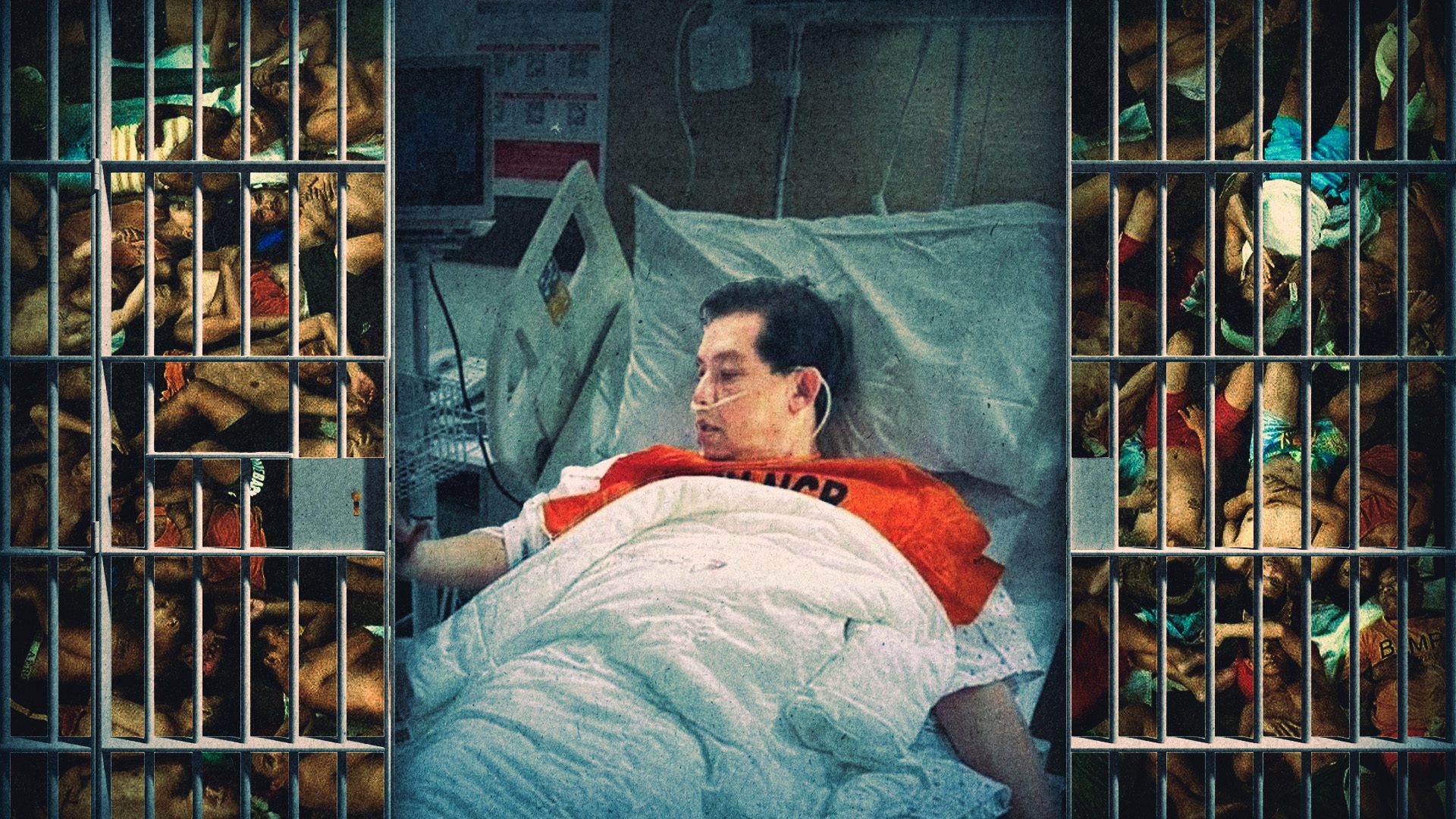
The former House speaker's VIP medical arrangements while in detention highlights a deeper, systemic crisis of custodial neglect and routine mortality among ordinary detainees
Another controversy has hit the Bureau of Jail Management and Penology (BJMP) regarding a humanitarian arrangement allowed for detained former House speaker Martin Romualdez at the Quezon City Jail Male Dormitory.
Allegations emerged that a personal assistant attended to his medical needs around the clock. The jail warden clarified to the Sandiganbayan that the assistant was on call rather than residing full-time in the facility, primarily providing medical assistance when needed.
More critically, the warden acknowledged that the jail lacks sufficient medical personnel to manage detainees’ health and mental health needs. Similar arrangements had been extended to other vulnerable persons deprived of liberty (PDLs) whose families could assist. Rather than being a unique perk for a politician, the practice evolved to offset systemic correctional shortfalls. However, this explanation triggered intense public pushback.
Critics decried preferential VIP treatment, alleging bribery and covert accommodations by the administration. Given that the President is the former speaker’s first cousin, suspicions arose that his detention was merely performative justice — punished in public while kept comfortable in private. While these serious claims warrant investigation, they must be separated from speculation as the public demands equal treatment across all detainees.
Beyond accountability for high-level corruption, this controversy highlights endearingly chronic deficiencies in custodial medical care. Framing the issue solely through a partisan lens risks obscuring the deeper, systemic crisis.
The silent death penalty inside our jails and prisons
Lost in political debates is the dire reality of medical care in Philippine prisons, where thousands of ordinary detainees die quietly each year without public outrage or legislative inquiry. Most victims are impoverished individuals whose deaths go unnoticed by the public.
Recent statistics reveal that 522 PDLs died under BJMP custody as of September 2026, while the Bureau of Corrections recorded 1,030 deaths in its facilities. In 2025, combined deaths reached 1,996 across both systems — averaging more than five deaths every single day in institutions responsible for protecting detainee lives.
These routine fatalities represent a de facto death penalty inflicted through systemic neglect. For pre-trial detainees who are legally presumed innocent, severe confinement conditions violate fundamental constitutional protections against cruel and unusual punishment.
Why are so many Filipinos dying under custody?
Severe congestion, inadequate medical staffing, poor sanitation, and meager budgets drive these high mortality rates. Facility overcrowding accelerates the transmission of communicable diseases, while chronic resource shortages leave serious conditions untreated until they become fatal.
To survive, detainees and staff rely on informal coping strategies. Families supply outside medications, while medically trained inmates assist infirmary staff. Wealthier families sometimes pay inmate caregivers or contribute to shared dormitory funds to cover basic health needs for destitute prisoners. Though unauthorized by formal rules, these practices are tacitly tolerated to prevent institutional collapse.
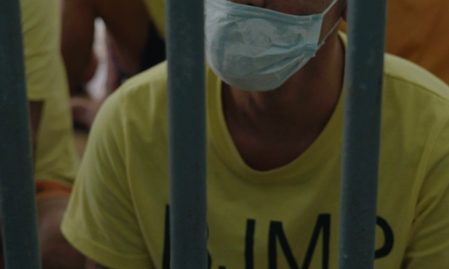
However, reliance on informal arrangements creates wide disparities in care. Inmates with financial means or personal influence receive timely medical intervention, whereas impoverished detainees face severe neglect, fostering systemic favoritism and corruption.
Distinguishing between necessary humanitarian accommodation and corrupt favoritism is vital. While preserving life is a state duty, conditioning care on wealth or political standing degrades fundamental rights into privileges. Strictly enforcing rules without resolving resource shortages will only exacerbate inmate suffering.
The Sandiganbayan must look beyond the controversy
Correctional administrators face a double bind: strictly enforcing inadequate rules risks detainee deaths and public outrage, while permitting external family assistance risks accusations of political favoritism and corruption. Investigations must distinguish illicit financial exchanges from reasonable efforts to prevent fatalities due to staffing shortages.
The judiciary and oversight bodies must address systemic deficiencies rather than singling out individual officers. Reducing overcrowding, expanding non-custodial options for low-risk or ill detainees, and standardizing medical access are essential steps to ensure correctional health measures depend on medical need rather than status.
Eliminating preferential treatment requires establishing a uniform, basic standard of care across all facilities. True equality in the justice system means expanding humane health protections for underprivileged detainees, ensuring that basic human rights are upheld for all persons in state custody. – Rappler.com
Raymund E. Narag, PhD, is an associate professor in criminology and criminal justice at the School of Justice and Public Safety, Southern Illinois University, Carbondale.
The author originally posted a longer version of this \to Facebook on November 11, 2026.
KioskNews shows a cleaned-up reading view extracted from the publisher’s page — the original always lives on their site, not ours.