Hong Kong must expand trade, not wait for ‘luck’ as AI exports could slow: commerce chief
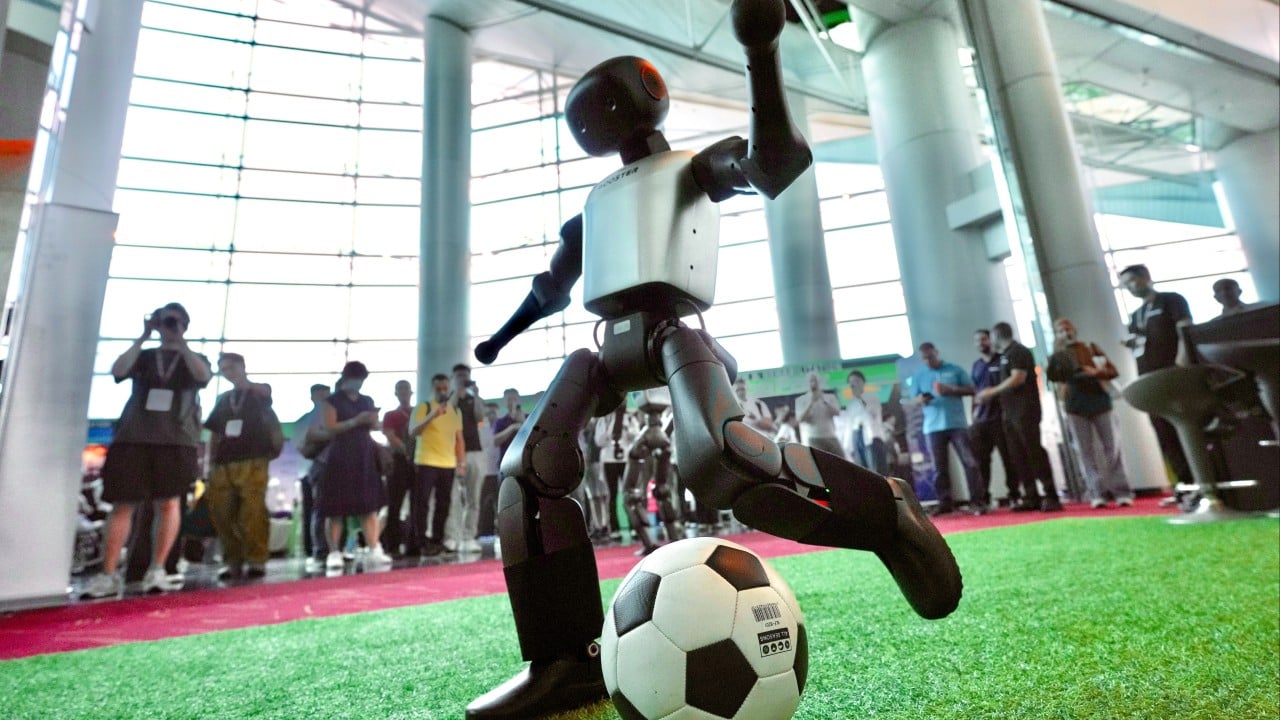
Hong Kong must proactively expand trade networks and not “wait for luck to come our way”, as the recent growth in artificial intelligence exports may gradually slow down, the city’s commerce minister has said.
Secretary for Commerce and Economic Development Algernon Yau Ying-wah said on Sunday that Hong Kong’s September export growth rate – the highest monthly figure in more than 40 years – was driven by an increase in re-export volume equivalent to 1.4 times the city’s gross domestic product.
It boosted Hong Kong’s annual re-export trade value to over HK$5.49 trillion (US$700 billion).
“Re-export trade acts as a ballast point for our export sector, stabilising overall exports,” Yau said on a radio programme.
He noted that the current upwards trend driven by AI development may gradually slow down, and stressed the need to explore new opportunities to maintain the city’s status as an international trade hub.
“We must closely monitor overall global trends, and in turn make preparations regarding how to strengthen ourselves, how to adjust our strategies and how to expand our trade networks … we cannot simply wait for luck to come our way,” Yau said.
He said 75 per cent of the city’s air cargo volume and 80 per cent of sea freight were re-exports.
“A lot of re-export trade goes from mainland China through Hong Kong,” he said.
There is also demand for finance, legal services, accounting and certification in the re-export sector, which alone supports 100,000 to 200,000 jobs, he said.
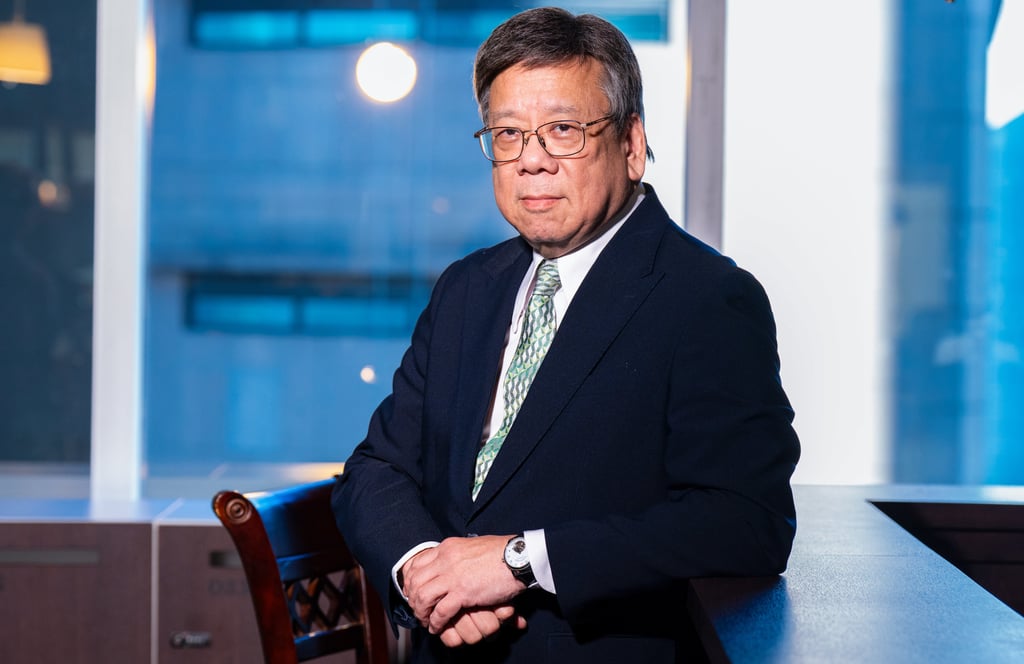
To raise the city’s competitiveness, Yau said Hong Kong should align with the mainland’s 15th five-year plan to consolidate its status as an international trade centre.
“It starts with our closely interconnected financial centre, maritime centre, aviation hub and innovation and technology sector … and to keep pace with international advancements in AI,” he said.
On expanding opportunities in Central Asia, Yau said a Kazakhstan fund was preparing to issued bonds in Hong Kong, while another airport company in Uzbekistan had signed a cooperation agreement with a Hong Kong firm to help develop the airport there.
Chief Executive John Lee Ka-chiu led a delegation on a five-day trip to Kazakhstan and Uzbekistan in June, at the end of which 96 cooperation agreements and memorandums of understanding across government and business sectors were signed.
“We are also keeping a close eye on [Central Asia], hoping to explore and develop new markets, and have more cooperation with new economies,” Yau said.
KioskNews shows a cleaned-up reading view extracted from the publisher’s page — the original always lives on their site, not ours.