One-year-old euthanised in the Netherlands
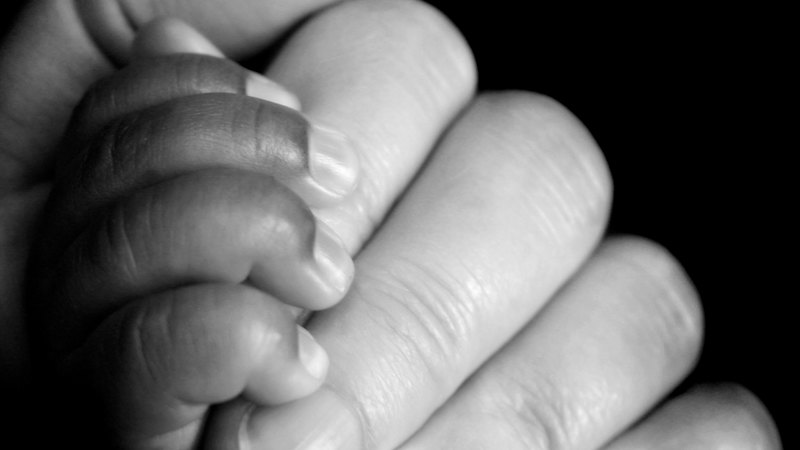
London: A one-year-old has become the world’s youngest known person to die by euthanasia.
The child of “almost 24 months” died at the end of last year, a Dutch review board revealed, after previously reporting only that the child had been under 12.
The child, whose gender was not disclosed, had suffered from severe brain damage, cerebral palsy, visual impairment and epileptic seizures. They also had difficulty breathing and suffered from multiple infections leading to sepsis.
The report said the child had been euthanised by gradual sedation with “coma-inducing substances”.
Euthanasia for incurably ill children aged one to 12 has been legal in the Netherlands for two years. Before then, it was an option only for newborns and those over 12.
Under Dutch law, parents must be consulted, and the child must be suffering unbearably with no hope of recovery.
The Netherlands was the first country to legalise assisted dying for those with incurable illnesses causing unbearable physical or mental suffering, in 2002. It is legal only under certain conditions, and has strong public support.
In 2014, neighbouring Belgium became the first country in which euthanasia was available for all children.
Before the reform, there was no clear euthanasia policy for children between the ages of one and 12 because they were considered unable to make their own decisions.
The youngest known case of child euthanasia before this case was a nine-year-old in Belgium who was given a lethal injection in 2016 or 2017.
The Dutch report, by the committee for late-term abortion and termination of life in newborns and children, revealed the child had been born prematurely during a holiday abroad at only 26 weeks.
“Every facet of ‘being human’ in terms of motor skills, behaviour and personality was severely affected, and there would be no improvement,” it read. “The child had very severe developmental delay; at the age of almost two years, the child’s developmental age was estimated to be that of a six-week-old baby.”
After determining the child’s condition would not improve, the doctor and parents decided to end the toddler’s life.
The board investigation found that the doctor who carried out the euthanasia had acted with due care and consulted other doctors for a second opinion.
“Those physicians established that at that time the child was not continuously suffering unbearably,” the document read. “The epilepsy caused a great deal of discomfort, but the epileptic seizures were not continuous.
“Their conclusion was that there were still reasonable alternatives, such as palliative options and other medications that could possibly result in better control of the epileptic seizures.”
The child was euthanised after the doctor sought another opinion from a doctor who concluded that the requirements for ending the child’s life had been met and the “unbearable suffering was clearly visible”.
The report concluded that the doctor made the correct assessment in euthanising the child.
Doctors who perform euthanasia unlawfully in the Netherlands risk up to 12 years in prison, and could also face a fine.
The Telegraph, London
Get a note directly from our foreign correspondents on what’s making headlines around the world. Sign up for our weekly What in the World newsletter.
KioskNews shows a cleaned-up reading view extracted from the publisher’s page — the original always lives on their site, not ours.