Educated But Unemployed: The Quiet Struggles of Women in 15th May City
Main image courtesy of © Hossam el-Hamalawy حسام الحملاوي . Original photo here. Caption: Mansoura-España Garments Company Workers عمـــال “المنصورة-اسبانيا” للملابس بالدقهلية
The city of 15th May might feel different from other crowded parts of Cairo.
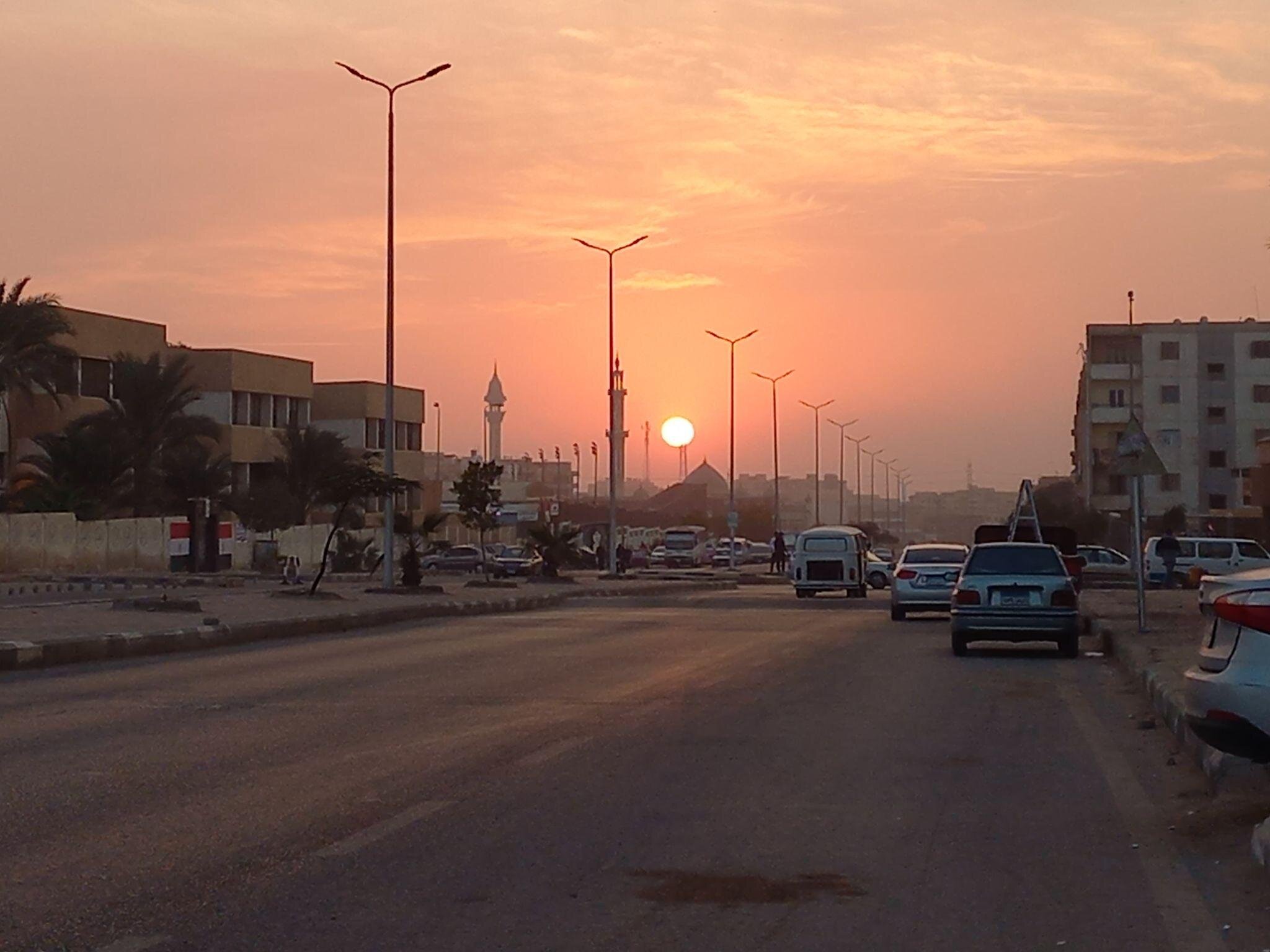
Located in the southern outskirts of greater Cairo and surrounded by stretches of desert, the area is quieter, slower, and noticeably more isolated from the energy of central Cairo. By 9 PM, many streets become almost completely silent. Unlike other parts of greater Cairo, such as Helwan or Nasr City, there are fewer traffic jams, fewer car horns, and long stretches of stillness during both day and night.
Behind this quietness, however, are stories of educated young women struggling to find stable employment.
In one of the households of 15th May City, two daughters, Nada, 28 and Noha, 23, had completed their university degrees.
The eldest daughter N.D graduated at the top of her class with a degree in business management from the Modern University for Technology and Information in 2018, yet remains unemployed. Her younger sister N.H graduated with distinction from Capital University, formerly Helwan University, in 2024 with a degree in accounting, but could only secure a job as a cashier at a small pharmacy.
Their struggles were not solely due to their qualifications. For the family, especially the mother, social expectations surrounding women’s mobility and workplace environments also shaped what kinds of jobs were considered acceptable. Relocating for work or commuting long distances across Cairo was viewed as difficult and, at times, unsafe.
Distance also became part of the challenge.
Reaching central Cairo from 15th May City can require long hours by public transportation. While crowded commutes often carry concerns surrounding safety and harassment, many women continue to navigate regularly.
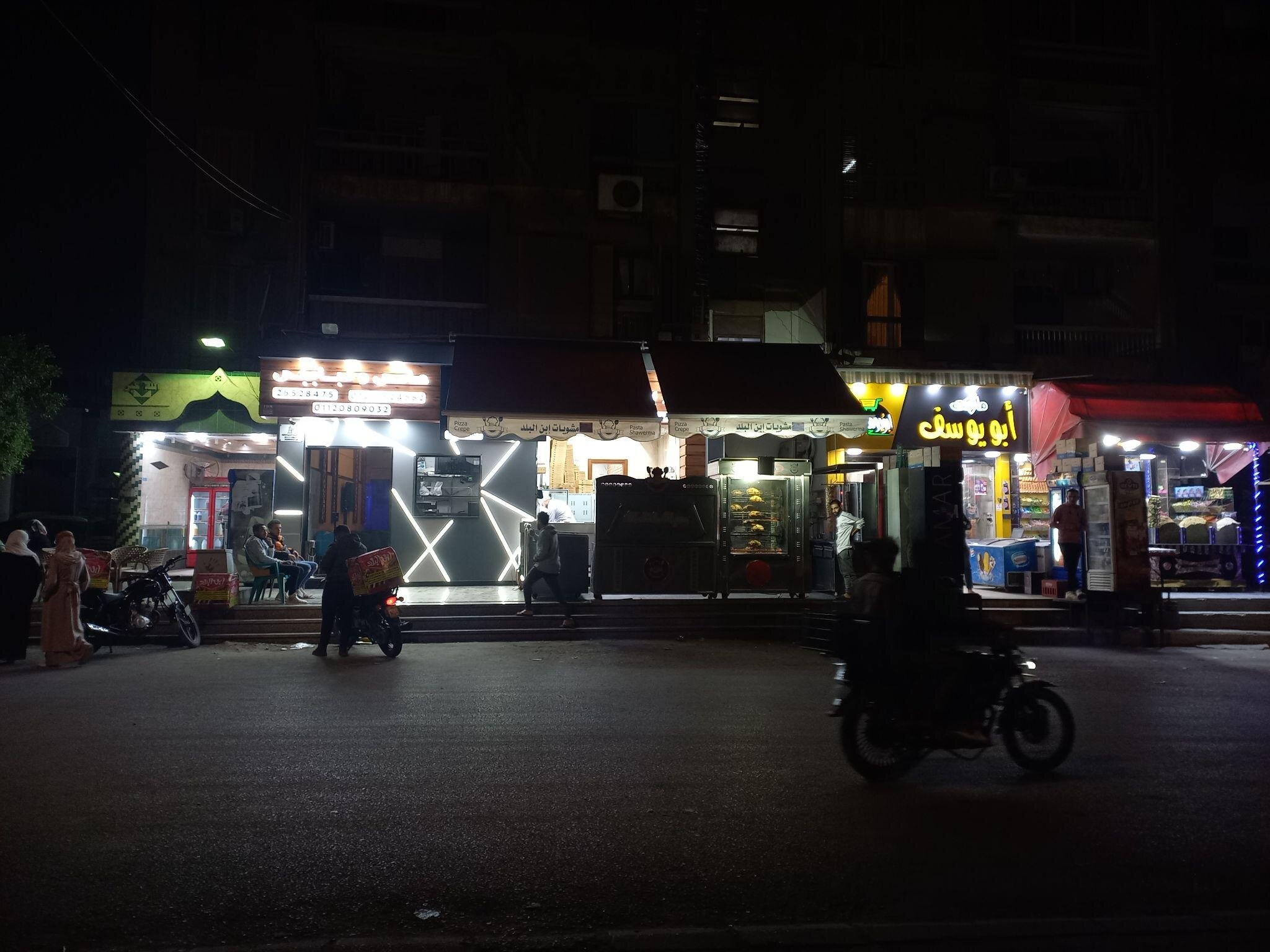
In quieter suburban districts like 15th May City, where local job opportunities can also feel limited, those pressures become even more pronounced.
For some educated women, the challenge is no longer just finding work, but finding work that fits within the realities surrounding them.
The emotional toll of unemployment also became difficult to ignore. Despite graduating near the top of her class, N.D described her experience as going through what she called a “quarter-life crisis.” She spoke about feeling embarrassed in front of former classmates and professors who had once expected her to succeed professionally.
Looking for work was not only about finding vacancies. Her family wanted her to stay close to home. She also chose not to pursue banking jobs because of her religious beliefs.
At one point, she even felt ashamed of asking her father for money after graduation despite years spent studying and excelling academically.
Eventually, the experience led her to question whether higher education alone still guaranteed work opportunities.
It was within that atmosphere that a conversation about remote work became more frequent inside the household. Although online platforms were already familiar to the family, remote employment as a structured professional career path felt far less visible.
Nada had previously taught Quran lessons online, and both sisters regularly attended online Turkish language classes. However, seeing remote work carried out through an established international company introduced a different possibility. Discussions about online employment soon became an interesting topic within the family.
After observing a remote teaching job in digital art and coding being carried out from home through an international online education company, the mother saw it differently from many conventional jobs.
“Your job is suitable for women,” the mother said during one conversation, highlighting a lesser need for long daily commutes across Cairo.
Later, the mother spoke about encouraging her second daughter to develop computer skills relevant to remote work through online courses. She hoped those skills would help her find more stable employment opportunities in the future.
Noha became increasingly interested in remote employment as she learned more about how such work functioned. She frequently asked questions about the skills required, the types of jobs available, and how someone with her background might enter similar fields.
“As long as you’re still here, why don’t you teach me about remote work?” Noha asked.
After expressing interest in remote employment herself, she began exploring the types of skills commonly required in remote work opportunities.
As part of that effort, she later started learning basic Python programming, a widely used programming language in software development and other digital fields. She started learning basic Python through free online platforms such as W3Schools and FreeCodeCamp.
Both platforms offer certificates that can be displayed on professional profiles such as LinkedIn.
Their experiences reflect broader conversations surrounding women’s employment and social expectations across parts of the region. A 2017 study previously reported by Egyptian Streets found that a majority of respondents across the Arab world continued to associate women primarily with domestic responsibilities, with many respondents also expressing discomfort with women working in mixed-gender environments.
Within that context, remote work begins to carry a different meaning for some families. It is not only about flexibility or convenience, but about access to professional participation while remaining close to family and familiar social environments.
At the same time, examples of remote work are becoming increasingly visible across the region. Within the online education sector, professionals from countries such as Lebanon have taken roles in teaching, customer support, and management for international platforms.
One example is Kodland, an international online school that operates across multiple countries. Through its Türkiye and United Kingdom branches, professionals from Egypt and Lebanon have been able to work remotely across national borders.
While such opportunities remain limited, they suggest that remote employment is no longer purely hypothetical. Amid rising unemployment among university graduates, Egypt may hold significant potential for this kind of work in the years ahead.
Behind the quietness of many suburban homes lies a generation of educated young people still searching for opportunity. For some educated women in suburban Cairo, the issue is no longer education alone, but access to work that fits within the social realities surrounding them. In that context, remote work may represent far more than convenience. It may represent access itself.
KioskNews shows a cleaned-up reading view extracted from the publisher’s page — the original always lives on their site, not ours.