Tracking the polls in Andy Burnham’s first 100 days as PM
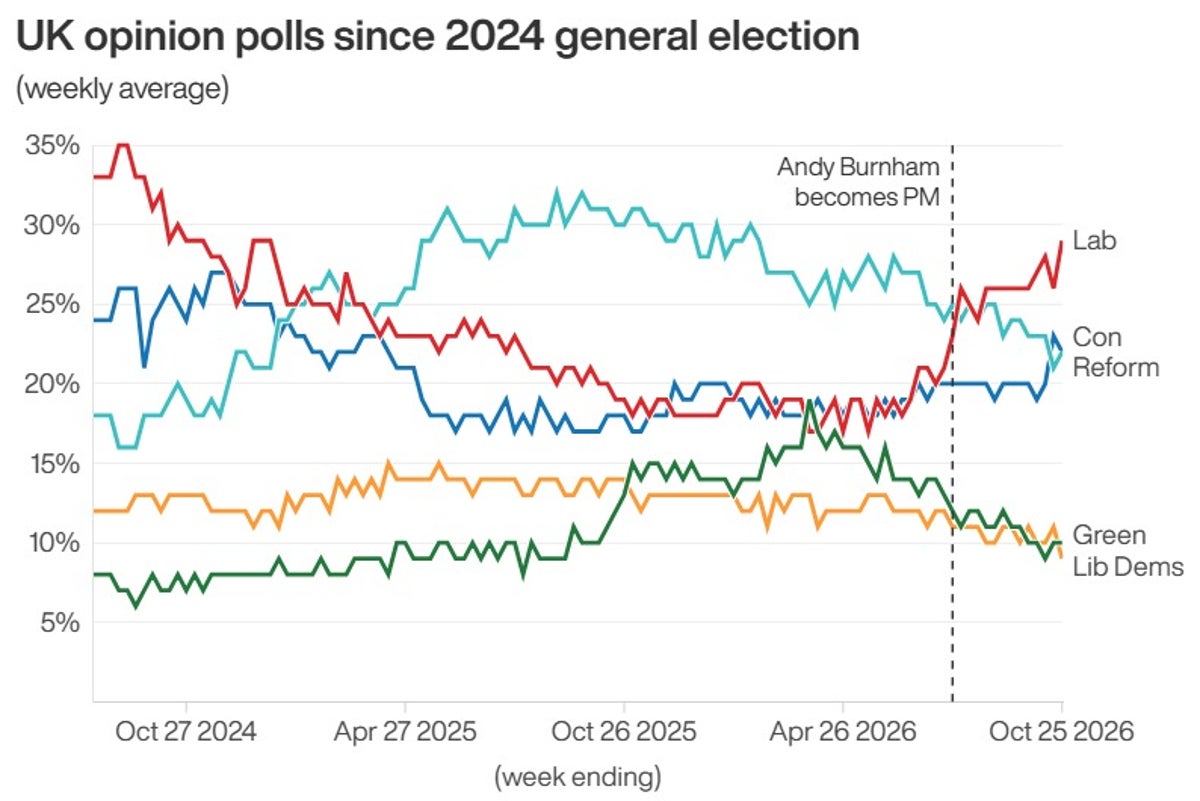
Labour’s opinion poll ratings have soared since Andy Burnham made it clear he was heading to Number 10 - and have continued to improve throughout his first 100 days.
A new analysis of nationwide polls showing how people would vote at the next general election reveals how Labour languished at 19% in the week ending June 21 - just one day before former Labour leader Sir Keir Starmer tendered his resignation as prime minister.
At that point Labour were neck-and-neck with Kemi Badenoch’s Conservatives, while Reform UK were on an eight-point lead at 27%.
The Greens were on 14% and the Liberal Democrats on 12%, according to Press Association analysis of publicly available polling data.
After winning the Makerfield by election and becoming prime minister on July 20, the polls began to shift in Labour’s favour.
In the week ending July 19, one day before the start of Mr Burnham’s premiership, Labour averaged 21%, up two points from a month earlier, while Reform were on 24%, down three points.
This trend continued during the first weeks of the new prime minister’s time in office.
Labour’s poll average climbed to 23% in the week ending July 26, then reached 26% in the week to August 2, overtaking Reform on 24%.
This was the first time the party had been ahead of Reform – based on weekly averages – since March 2025.
During the rest of August and much of September, Labour’s average in polls of voting intention remained in the mid-20s, just ahead of Reform and well above all other parties.
But since the end of September and the party conference season, some polls have placed Labour in the high 20s or even the low 30s, pushing the party’s average up even further.
The latest averages, for the week ending October 25, show Labour on 29%: the party’s highest such rating since the end of 2024.
Reform and the Conservatives are tied on 22%, the Greens are on 10% and the Liberal Democrats are on 9%.
It means that ahead of Mr Burnham’s 100th day as prime minister on October 27, Labour’s weekly poll average is now 10 percentage points higher than the day before Sir Keir resigned.
The story of Mr Burnham’s first 100 days in Downing Street is one of a clear and sustained improvement in Labour’s poll ratings compared with the party’s performance at the end of Sir Keir’s premiership.
There has also been an equally clear fall in Reform’s poll averages, from 27% to 22%.
Other shifts have been under way, however.
The Conservatives polled around 20% for much of August and September, but have seen a small rise in support since the party conference season and are level pegging with Reform in the latest weekly figures.
Some individual polls published recently have placed the Tories in second place, ahead of Reform and behind Labour.
There has also been a fall since the summer in the poll averages for both the Greens and the Liberal Democrats.
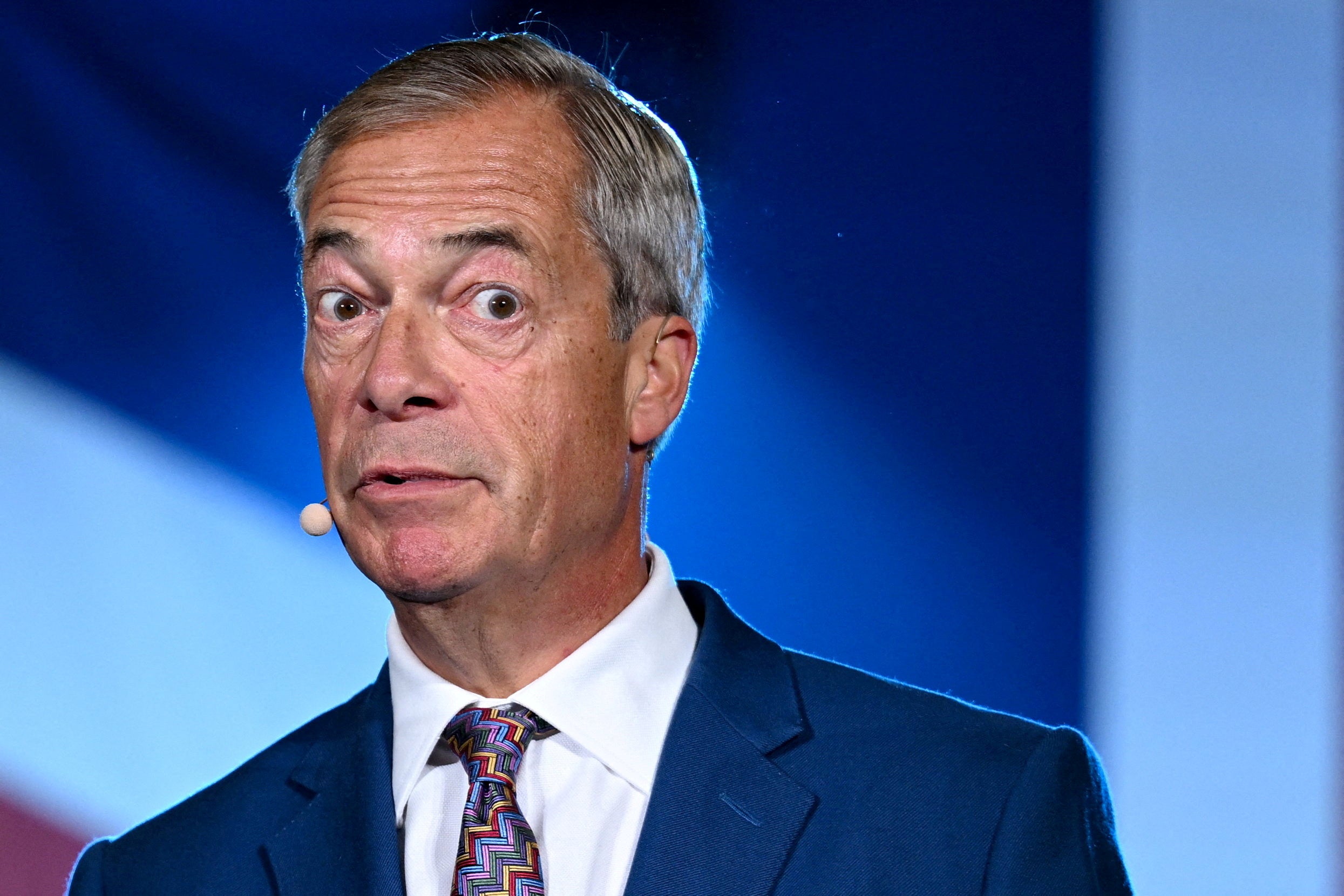
The Greens were on 13% in the week before Mr Burnham became prime minister and are on 10% in the latest figures, while the Lib Dems have slipped from 12% to 9%.
The UK’s leading polling companies are agreed that the polls have moved since the start of Mr Burnham’s premiership.
Keiran Pedley, director of politics at Ipsos, said Labour under Mr Burnham is “resurgent, consolidating voters on the left behind them,” while on the right the “tectonic plates have been shifting”.
Ipsos’ latest poll of voting intention, carried out between October 15 and 22, puts Labour on 32%, the Tories on 24% and Reform on 20% – figures that “confirm a pattern we have been seeing in the underlying data for some time,” Mr Pedley said.
Labour has been on a “clear upward trajectory since June” with Reform “declining since their peak earlier in the year”, according to PJ Stock of the polling firm Survation, while the pollsters YouGov describe the trend in recent months as “a small recovery for both the Conservatives and Labour”.
Mr Burnham “remains the only party leader with a positive net approval rating and holds a commanding lead over both Kemi Badenoch and Nigel Farage on who would make the better prime minister,” according to the latest findings published by the firm Opinium.
Polls are snapshots, not forecasts or predictions, and as such reflect the mood of the public at the current time – not how people may feel or vote in the future.
“The Government faces a challenging Budget this coming week and the lesson of the last year is that British politics is volatile,” Mr Pedley of Ipsos added.
“The picture today is very different to six months ago and it could be different again in six months’ time, too.”
KioskNews shows a cleaned-up reading view extracted from the publisher’s page — the original always lives on their site, not ours.