Indonesia’s wildfire smoke crisis claims over 3,500 lives in September
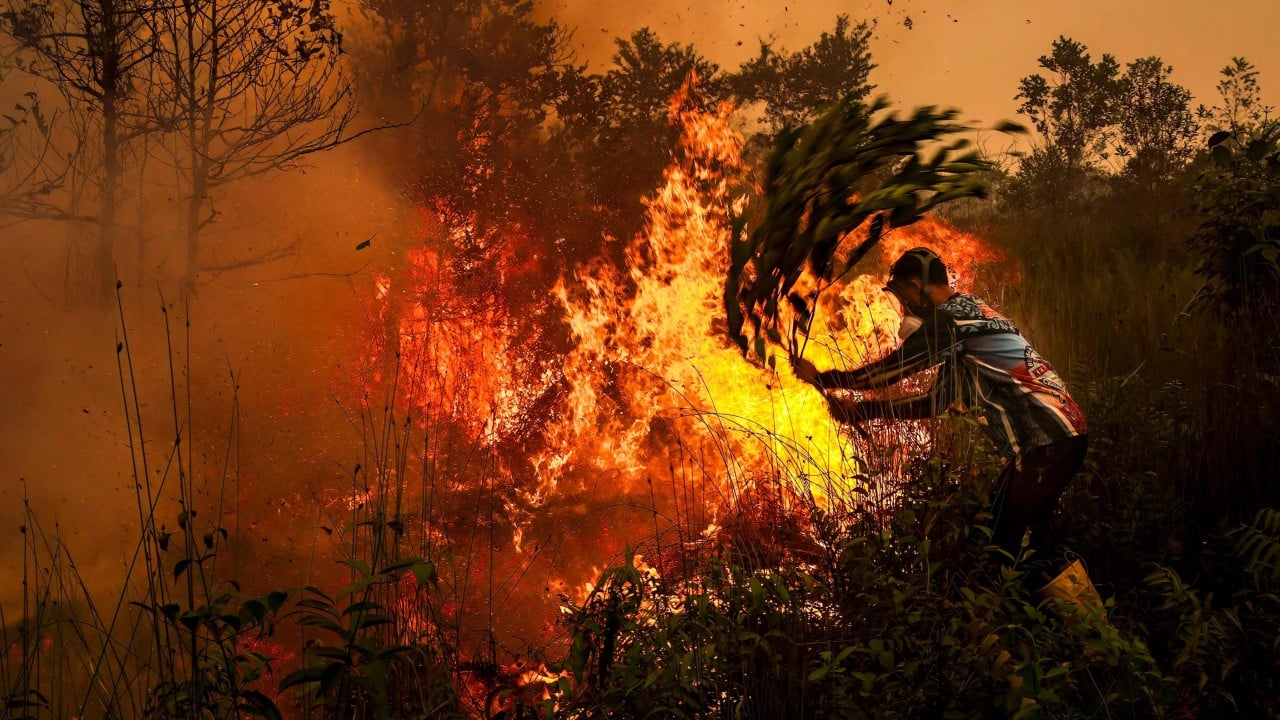
Pollution from smoke emitted by months of wildfires across Indonesia caused an estimated 3,560 deaths in the vast Southeast Asian archipelago in September, according to a new study.
The same month, about 57.8 million people in Indonesia were inhaling unhealthy to hazardous air, said the Centre for Research on Energy and Clean Air (CREA), a Helsinki-based think tank.
“Worsening air quality due to forest and land fires in Indonesia pushed the estimated death toll to 3,560 cases in September 2026, a twofold increase from the August estimate,” said a CREA statement on Thursday.
The CREA study estimated the number of deaths brought about by PM2.5 pollution in the short term, meaning a matter of days.
PM2.5 particles are small enough to penetrate the lungs or bloodstream and the World Health Organization has linked exposure to a higher risk for illness and premature death.
Most estimated deaths occurred on Indonesia’s part of Borneo island as well as on Java and Sumatra islands and in the country’s east, the report said.
The researchers also looked at non-fire pollution from urban power generation, industry and transport, and found it had caused a further 1,750 deaths in September for a total of 5,310 in the country of about 290 million people.
“In September alone, exposure levels breached the WHO annual PM2.5 threshold by over seven times nationally, 10 times in Sumatra and an alarming 24 times in Kalimantan” in Borneo, the report said.
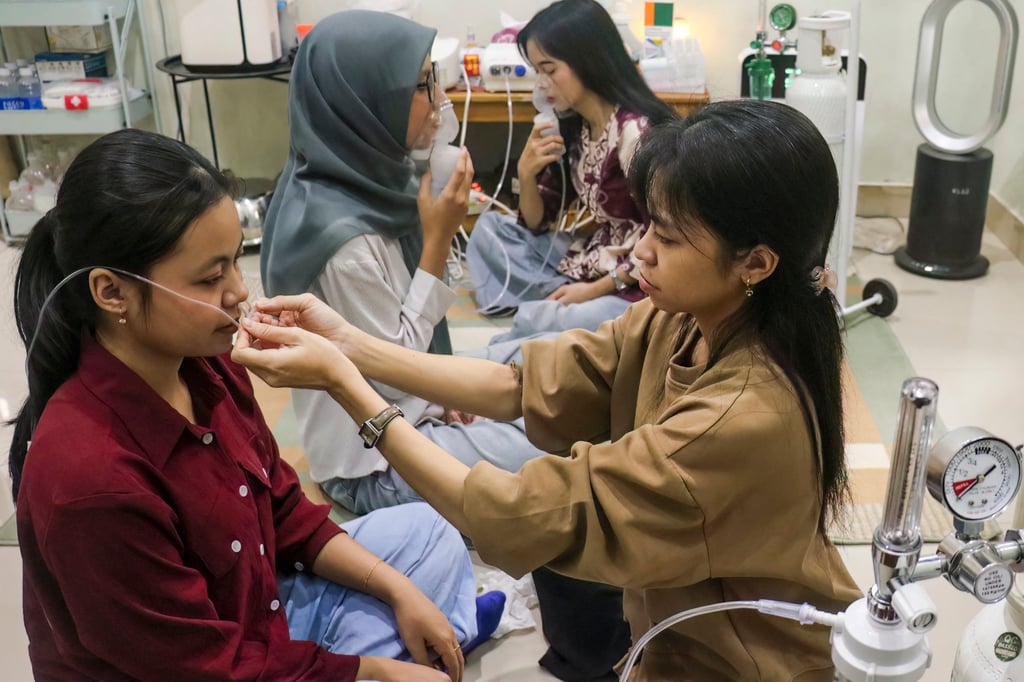
More than 330,000 cases of acute respiratory infection have been recorded countrywide.
Gripped by drought worsened by the El Nino weather phenomenon, Indonesia has for months battled wildfires that deforestation monitor Nusantara Atlas says have consumed more than 1.9 million hectares (4.6 million acres) in the nine months to September.
The government has not confirmed or rejected the number.
The resulting haze has sent pollution levels soaring as far afield as Malaysia, Singapore, the Philippines and East Timor, clouding Indonesia’s ties with its neighbours.
Experts say the wildfires can be blamed in large part on slash-and-burn land-clearing practices, often by timber, palm oil or mining companies.
02:42
Indonesia’s all-female firefighters rally to fight worst wildfires in 11 years
For the island of Java, the most populated and home to the capital Jakarta, the CREA report said between 73 and 80 per cent of air pollution deaths – a total of 1,530 in September – were attributed to non-fire sources such as industry, vehicle emissions and waste burning.
“These figures underscore the stark reality that non-fire air pollution sources are as dangerous as smoke from burning forests and peatlands,” it said.
In the report, the CEO of Landscape Indonesia consultancy, Agus Sari, pointed to the government’s “weak preparedness” for what he described as a “predictable and avoidable” disaster.
Agus pointed to budget cuts hampering the efforts of the BNPB national disaster management agency.
“Indonesia should be able to prepare for what is going to happen. The fact that we are not prepared at all is purely a matter of lacking the will,” Agus said.
The CREA report argued the government needed to shift from wildfire response to the restoration of peatlands left fire-prone by extensive draining.
“This step must be accompanied by firm law enforcement against illegal land clearing through burning, as well as strengthened legal accountability for concession holders to prevent damage,” it said.
For regions battling non-fire pollution, such as Java, it said the government must enforce stricter emissions standards.
The government on Wednesday defended its approach to the fires, saying in a statement more than 72,000 people had been deployed in cloud-seeding and firefighting operations, more than 2,100 doctors and health workers activated in hard-hit areas and 5.3 million masks distributed.
KioskNews shows a cleaned-up reading view extracted from the publisher’s page — the original always lives on their site, not ours.