3 Hurdles Stopping EVs From Becoming A Mass-Market Choice In India
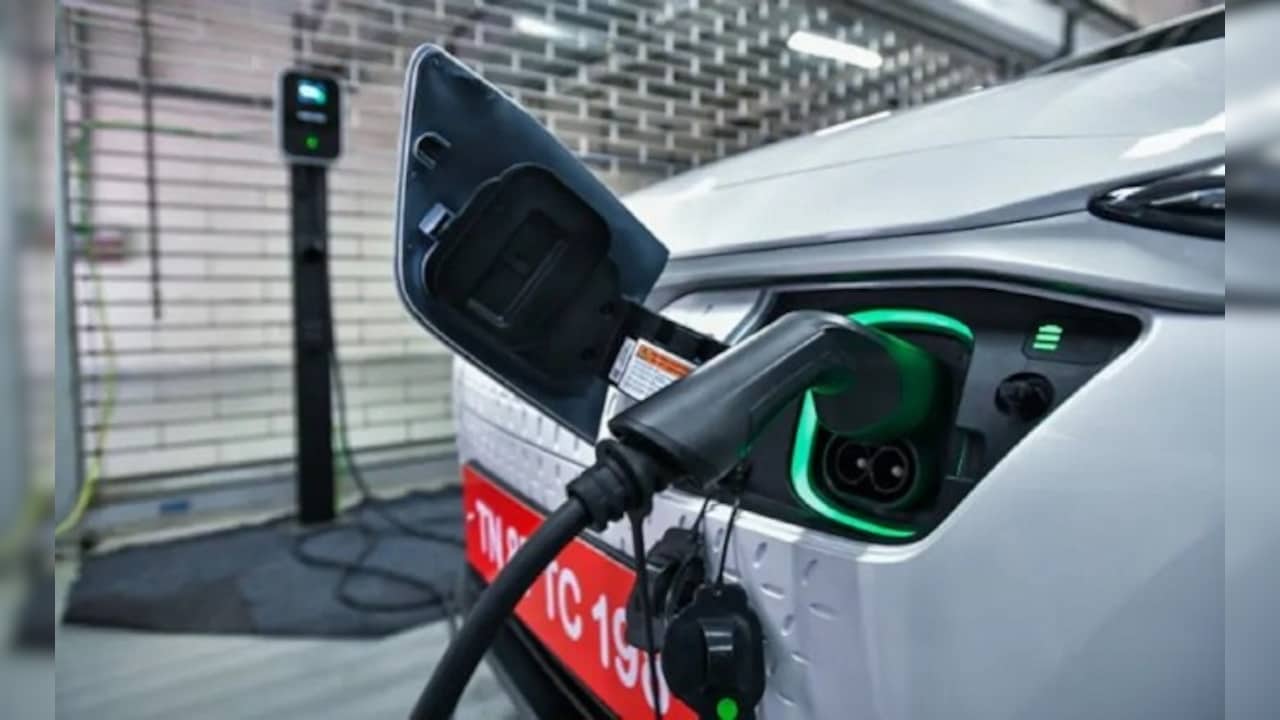
India's EV story is no longer just about cheaper batteries, lower running costs or government incentives. For electric vehicles to become a genuine mass-market choice, buyers also need confidence that the vehicle will remain practical after it leaves the showroom.
That confidence comes down to what happens when the battery is low, the vehicle breaks down or a service is needed.
Varun R, Chief Marketing Officer, ReadyAssist, has identified three key areas that could determine how quickly electric mobility becomes an affordable mass-market option in India: roadside assistance, charging infrastructure and skilled EV service support.
Also Read | Layoffs Are Rising In Tech, But These Skills Are Helping People Unlock Better Pay
1. What happens when an EV breaks down?
For a petrol or diesel vehicle owner, finding help during a breakdown is usually straightforward. The roadside assistance ecosystem has existed for years.
EVs are different.
As electric vehicles move beyond major cities, owners need to know that help will be available even when they are travelling across unfamiliar routes or smaller towns.
"Consumers need to feel confident about owning one over the long term," Varun R said. He added that access to assistance when needed is one of the practical factors shaping that confidence.
The EV roadside assistance ecosystem is also evolving. Technology platforms, technicians and other industry players are building capabilities specifically for electric vehicles.
For buyers, this could eventually mean that a breakdown does not automatically turn into a major ownership headache.
2. Charging stations are growing, but reliability matters
Range anxiety has been one of the biggest concerns holding back potential EV buyers.
India's charging network, however, has expanded sharply.
The government said in December 2025 that there were 29,151 public EV charging stations across the country. By July 2026, that number had risen to 52,718, according to the Ministry of Heavy Industries. Of these, 16,561 were equipped with fast chargers for cars.
The government has also allocated Rs 2,000 crore under the PM E-DRIVE scheme for public EV charging infrastructure.
But simply adding chargers may not be enough.
For an EV owner, a charger needs to be available, working and easy to locate. It also needs to be positioned where people actually travel.
"The next phase of charging infrastructure is therefore not just about more chargers, but about making them reliable and accessible enough for people to plan journeys with confidence," Varun told NDTV.
3. Where will owners get their EVs serviced?
This could become particularly important outside India's biggest cities.
EVs do not require the same kind of mechanical expertise as conventional vehicles. Technicians need knowledge of electric drivetrains, batteries, diagnostics and safety procedures.
That creates another potential hurdle for buyers in Tier 2 and Tier 3 cities.
If a customer cannot find a trained technician nearby, even a relatively affordable EV can feel expensive or risky to own.
The industry therefore needs to build a much larger network of EV-trained technicians and service centres.
For Varun, this is an important part of making electric mobility truly accessible. "The opportunity now is to build an ecosystem where an EV is not only affordable to purchase, but also easy to charge, service and get assistance for wherever it is being used," he added.
KioskNews shows a cleaned-up reading view extracted from the publisher’s page — the original always lives on their site, not ours.