In 2014, Kobe Bryant reportedly invested $6 million in BodyArmor; when Coca-Cola bought it in 2021, his estate reportedly received $400 million
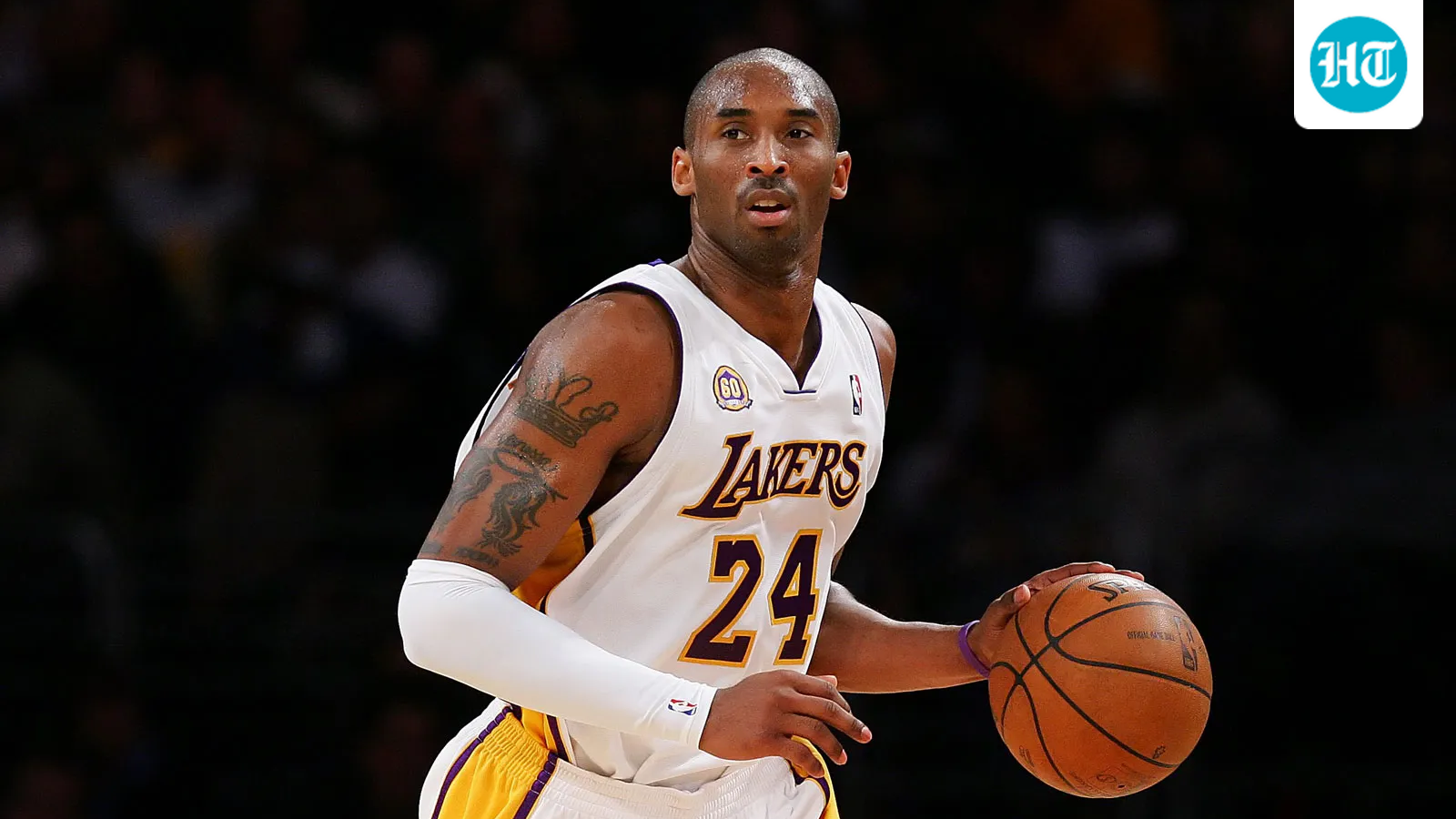
When Coca-Cola bought the brand in 2021, Kobe Bryant's estate reportedly received $400 million.

 Prefer HTon Google

Most athletes sign an endorsement deal, smile for the camera, and collect the check. Kobe Bryant, for one, became an owner. On November 1, 2021, Coca-Cola announced it was buying the remaining 85% of BodyArmor, the sports drink brand Bryant had backed years before, in a $5.6 billion cash deal. He had died in 2020, but his early bet survived.
A small bet on a young brand
BodyArmor was founded in 2011 by Mike Repole and Lance Collins. By 2021, it had become the No. 2 sports drink in measured retail channels, trailing only Gatorade, made by PepsiCo, according to a report in The Wall Street Journal. Bryant invested in the brand early on. ESPN reported that he invested about $6 million in March 2014 for around 10 percent of BodyArmor. He then became part of the company's Board of Directors, and wrote and co-directed a BodyArmor ad campaign in 2018 featuring four of the brand's athlete endorsers.
Coca-Cola joins the team
Bryant was also credited in Coca-Cola's release. According to that release, co-founder and chairman Mike Repole said BodyArmor would not have achieved its success without Bryant's vision and belief. In 2018, Coca-Cola acquired a 15% stake in the brand, with an option to acquire the entire stake at a predetermined discount. That access to Coca-Cola's distribution system was reported at the time to have helped speed up BodyArmor's growth. The Wall Street Journal reported that the 2018 investment was $300 million, and that the company was valued at the time at around $2 billion. By the time the 2021 deal was announced, BodyArmor had been growing at a rate of approximately 50% and was generating more than $1.4 billion in retail sales, a growth trajectory that helps explain why Coca-Cola was willing to pay several times that annual sales figure to take full control.
Breaking down the $400 million
The $400 million figure is from The Wall Street Journal, not from any statement by Coca-Cola, which did not say what Bryant's estate received. The Journal cited anonymous sources, and neither Coca-Cola nor BodyArmor gave an amount. ESPN reported his stake was worth about $200 million following the 2018 deal, a return of more than 30 times his original investment. If the $400 million estate figure from the 2021 sale is accurate, that's closer to a 67-fold return on his original $6 million. That's a good return, but it's a reported number, so it should be taken with a grain of salt.
What research says about star power
According to Anita Elberse and Jeroen Verleun’s 2012 study, “The Economic Value of Celebrity Endorsements,” published in the Journal of Advertising Research, signing an athlete endorser brings a positive payoff for a firm. Endorsements correlated with increased sales, both in absolute terms and relative to rival brands. And sales and stock returns soared with every major achievement by the athlete. But sales effects showed diminishing returns over time. There’s one important limitation. The research looked at endorsement deals, not ownership stakes like Bryant’s. So it can’t prove he was the reason BodyArmor blew up.
The bigger lesson
Bryant did more than lend his name. He put in money, got on the board, and helped write the ads, which is the difference between an endorser and an owner. An endorser is usually paid up front; an owner gets a share of the result, good or bad, and early wagers are real risk because not all come through. The point isn’t that every athlete should buy equity, but that ownership, not a flat fee, ties a brand’s payoff to its success. Bryant’s investment appears to have worked out. The release went out at 8:24 a.m. Eastern to honor Bryant, who wore numbers 8 and 24. It was a small touch, and a fitting one.

The Hindustan Times’ US desk covers the latest in entertainment and digital culture. From Hollywood developments and pop culture moments to viral trends and internet conversations, the team reports with clarity and accuracy. Every story is crafted to inform, engage, and reflect what’s capturing attention across America.Read More

KioskNews shows a cleaned-up reading view extracted from the publisher’s page — the original always lives on their site, not ours.