Meloni plans burqa, niqab ban in Italian schools; how it compares to rest of Europe
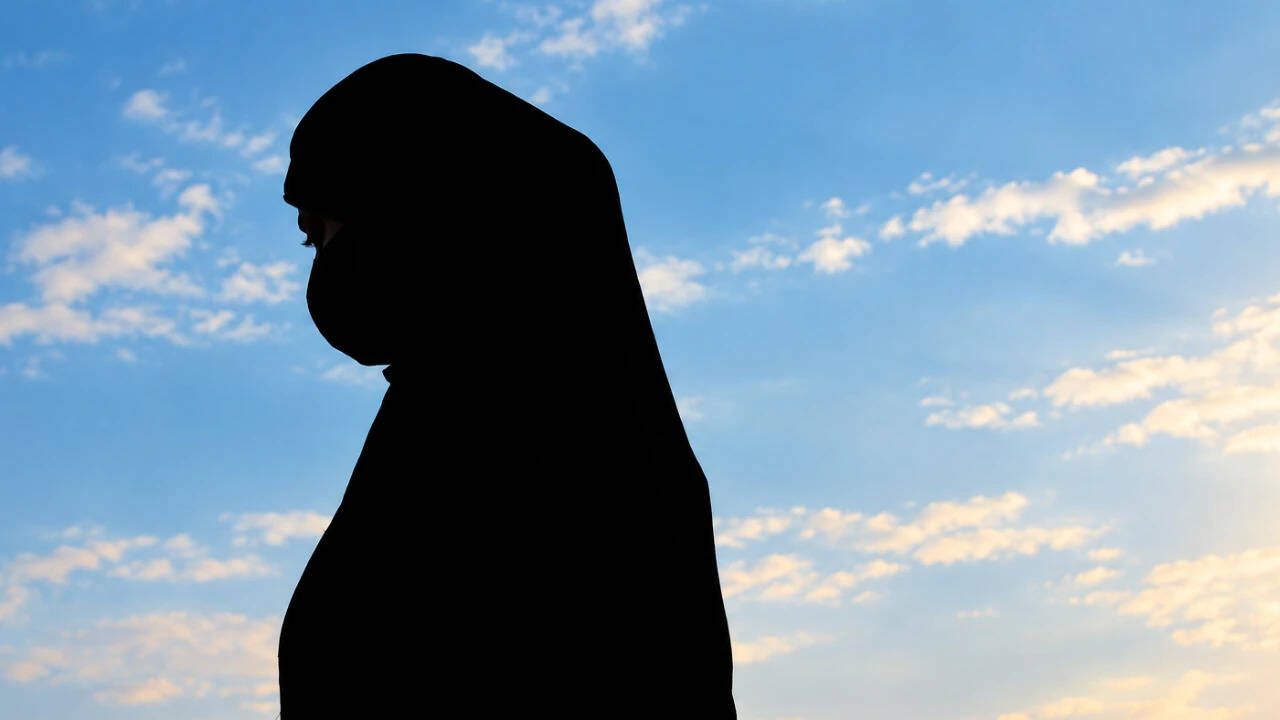
Italy moves to ban burqa, niqab in schools, says Meloni (AI-generated image)
Italy is preparing to ban the burqa and niqab in schools, Prime Minister Giorgia Meloni announced on Sunday, putting the country back in the spotlight of Europe’s long-running debate over face-covering veils, religious expression and integration.Meloni said her government would soon take a measure to the Cabinet that would prohibit burqas and niqabs in schools. She also proposed limiting the number of foreign students in each classroom and requiring parents of foreign students facing serious integration difficulties to learn Italian. The government has not yet specified the proposed limit on foreign students.“You must go to school with your face uncovered,” Meloni said, arguing that no one in Italy should be able to decide that a young woman must hide her face in the name of tradition.
The proposed measure still needs to go through the legislative process before it becomes law.
What exactly is Italy proposing?
The proposal specifically refers to burqas and niqabs, but not hijabs. A burqa covers the entire body and includes a mesh covering over the eyes, while a niqab covers the face but leaves the eyes visible. A hijab covers the hair and neck but leaves the face uncovered.Italy already has a 1975 law restricting the wearing of clothing that makes identification difficult in public places.
The issue of full-face veils has previously been dealt with under that framework in certain circumstances, but Italy has not had a nationwide law specifically banning burqas or niqabs in schools.The proposed school ban comes as Italy joins a wider European debate over how far governments can regulate face-covering clothing.
How does Italy compare with the rest of Europe?
There is no single European rule on burqas and niqabs. Countries have taken different approaches, from blanket public-space bans to restrictions in schools, hospitals and public transport, while some have no nationwide face-covering ban at all.France: It was the first European country to introduce a nationwide ban on clothing that conceals the face in public spaces in 2011. Violations can lead to a fine and, in some cases, a civic education course.Belgium: It was introduced as a nationwide ban in 2011. Violations can result in fines and prison sentences of up to seven days.Bulgaria: Full-face veils have been banned in public spaces since 2016, with wearing them restricted to private homes and places of worship.Austria: A nationwide ban on full-face coverings took effect in 2017. Austria has also gone further in schools: from September 2026, girls up to the age of 14 are prohibited from wearing Islamic headscarves that cover the head at school.Denmark: It introduced a nationwide ban on face-covering clothing in public places in 2018, covering garments including the burqa and niqab.Netherlands: Its 2019 law is narrower, restricting face coverings in places including schools, hospitals, government buildings and public transport rather than imposing a blanket public-space ban.Switzerland: A federal ban on face coverings in public spaces came into force in 2023 after voters approved the measure in a national referendum.Portugal: It completed legislation in August 2026 banning face coverings in public spaces, with exemptions including health, professional, artistic and religious settings.Germany: There is no nationwide blanket ban. Federal rules restrict face coverings in certain circumstances, including for some public employees, judges, members of the armed forces and motorists, while several states have additional restrictions.Sweden: There is no national ban on religious attire, although some municipalities have attempted school-level restrictions.Spain: It has no nationwide ban comparable to France's, with restrictions instead varying according to local or institutional rules.The European debate has therefore moved in different directions. France, Belgium and Denmark prohibit face coverings broadly in public, while countries such as the Netherlands limit them to specific settings.Italy's proposed measure is more narrowly focused on schools, putting it closer to Austria's approach than to Europe's blanket public-space bans. Whether it becomes law will depend on the legislative process that follows Meloni's Cabinet proposal.
KioskNews shows a cleaned-up reading view extracted from the publisher’s page — the original always lives on their site, not ours.