Flood-ravaged Nepal pushes for climate deal with India, China
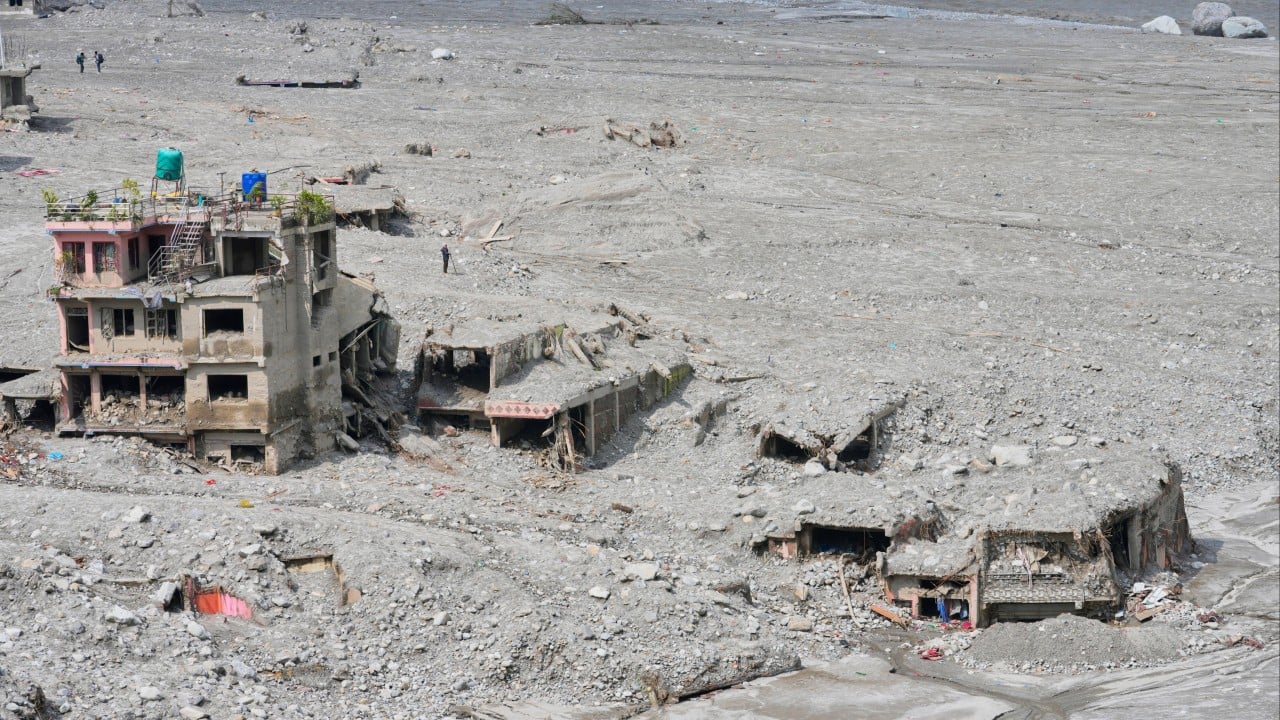
Nepal’s Prime Minister Balendra Shah proposed a climate alliance with neighbouring India and China, urging action to protect the fragile Himalayan ecosystem after catastrophic flooding across the region.
“Glaciers and floods do not travel with stamps and passports,” Shah told world leaders at the United Nations General Assembly in New York. “As an urgent first step, we propose that we establish the Himalaya climate resilience mechanism, led by Nepal, India and China, so the Himalayas become a laboratory of international cooperation rather than a frontier of fragmented information.”
His call follows devastating August 26 floods near the Nepal–China border, triggered by a massive rock-and-ice collapse, which killed at least 1,400 people and wiped out towns, border posts and hydropower plants.
An international study found the catastrophe was primed by a complex web of climate and seismic factors, including record summer heat and thawing permafrost. Shah said that recovery efforts would cost roughly 10 per cent of Nepal’s gross domestic product.
KioskNews shows a cleaned-up reading view extracted from the publisher’s page — the original always lives on their site, not ours.