Iran planning 'multi-front' attack on Israel with Hezbollah, Hamas, Houthis: Report
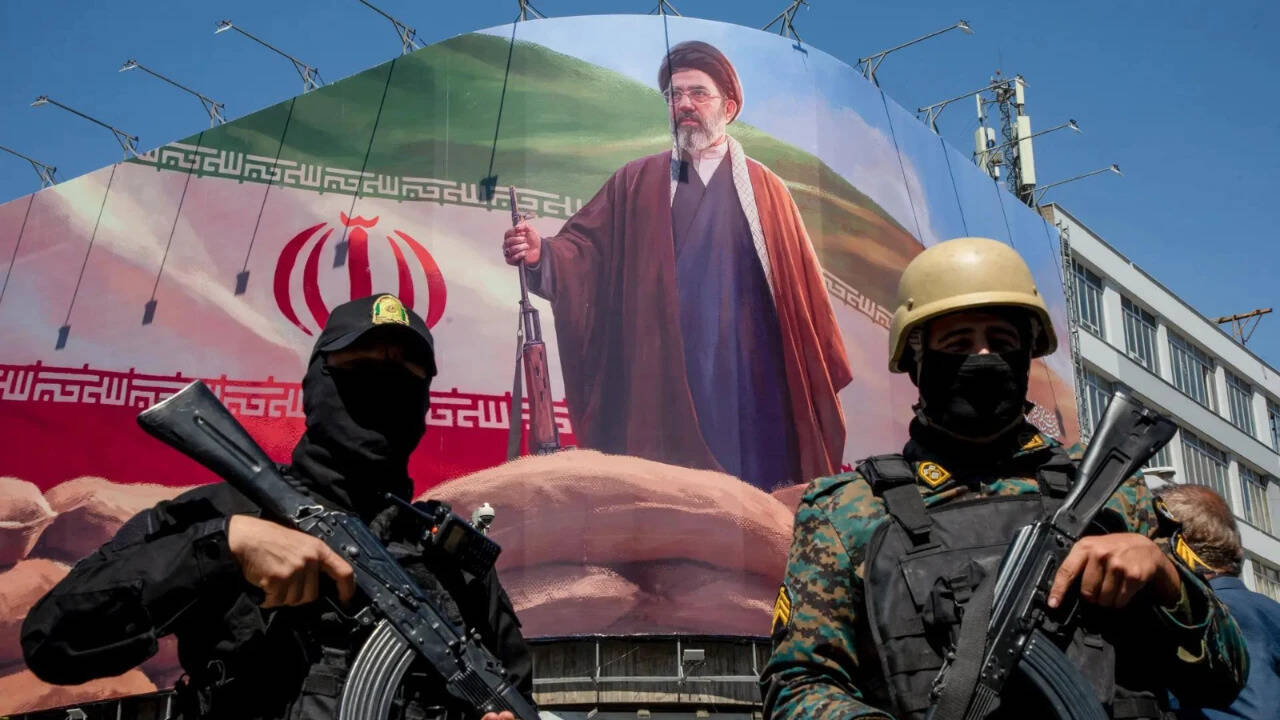
Iran is reportedly seeking to bring its regional allies together for a coordinated assault on Israel, resembling the Hamas-led October 7 attack in 2023.Tehran wants to combine its own forces with Hezbollah in Lebanon, Hamas, the Houthis in Yemen and pro-Iranian militias in Iraq in a single campaign, the Jerusalem Post reported, citing Israeli assessments.The plan under consideration is intended to enable several fronts to operate against Israel at the same time, making a multi-front campaign part of the strategy from the outset.A report published last month said the IDF had identified renewed coordination between Hamas and Hezbollah with Iranian assistance, as part of an effort to increase pressure on Israel simultaneously from the North and South.According to a published IDF assessment cited by JPost, Hamas and Hezbollah had already begun coordinating an increase in their activities in recent weeks with Iranian assistance.Recent reports have also alleged that senior Quds Force officials held talks with commanders in Hezbollah, the Houthis and Iraqi militias regarding an expansion of the confrontation.Two senior officers in the Islamic Revolutionary Guard Corps claimed that during an earlier period of calm, senior Quds Force officials held conference calls with commanders from the three fronts, while Iranian advisers also worked with them on the ground, Jerusalem Post reported.
During the same period, reports also emerged of Iranian efforts to accelerate the production of missiles and drones and restore capabilities that had been damaged.The rebuilding effort comes as the balance of power within the axis is also shifting. According to assessments, the damage inflicted on Hezbollah and the fall of the Assad regime in Syria have increased the importance of militias in Iraq and the Houthis in Yemen.At the same time, joint training exercises have been recorded, operational and personal ties have tightened, and coordination over political and military decisions among the components of the axis has increased.On October 7, Hamas launched its attack without the other fronts opening simultaneously and under full coordination.The idea of a broader regional war against Israel had emerged even earlier. Internal Hamas documents seized in the Gaza Strip after the attack indicated that Yahya Sinwar had sought to expand the confrontation and draw additional arenas into it.One of the planning documents stressed the need to "connect and prepare the external fronts", namely Lebanon, Syria and Sinai, as well as to agree in advance on communications mechanisms for both routine periods and wartime.However, this ambition had not been matched by full coordination ahead of the attack. According to published US and Israeli assessments, Iran and Hezbollah had not been informed in advance of all the details of the October 7 plan or the precise date on which it would be carried out.According to that assessment, Sinwar believed the success of the initial attack would subsequently draw Hezbollah and Iran into a broader campaign.Hezbollah opened fire in the North, but it did not launch a large-scale attack that same morning in parallel with Hamas' assault.According to reports in Arab media, Tehran is now allegedly seeking to address that gap precisely. The plan under consideration is intended to enable several fronts to operate against Israel at the same time, making a multi-front campaign part of the strategy from the outset.Khalil al-Hayya, who was elected Hamas' overall leader in July, is considered to have good relations with Iran and has for years been one of the organisation's central figures in maintaining ties with Tehran.Al-Hayya, a member of Hamas' Gaza-based camp who was close to Sinwar, strengthens within the organisation's leadership the faction seeking to preserve its close strategic relationship with Iran.
KioskNews shows a cleaned-up reading view extracted from the publisher’s page — the original always lives on their site, not ours.