Antarctic village requires all residents to have their appendix removed
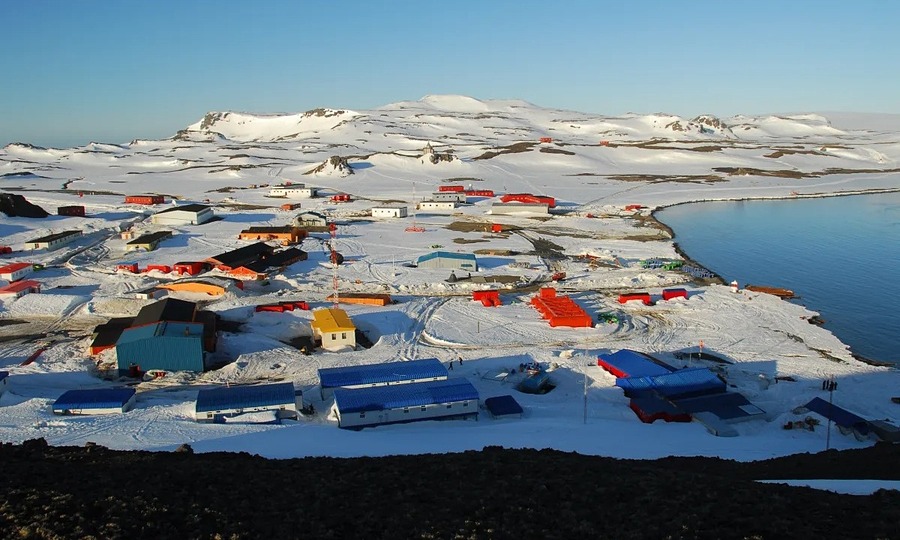
Long-term residents of Villa Las Estrellas, a Chilean settlement on Antarctica's King George Island, must have their appendix removed before moving in because the nearest major hospital is more than 1,000 km away.
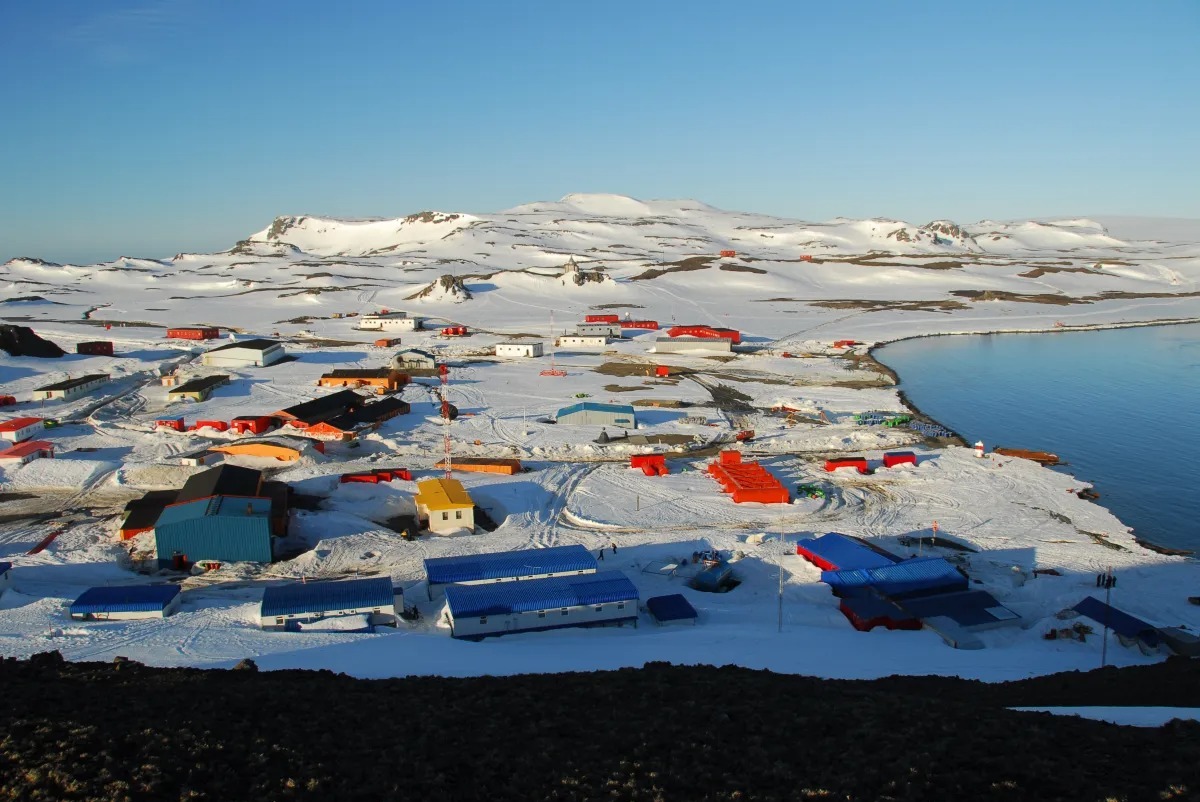
The settlement has around 100 people, mostly scientists and Chilean Air Force and Navy personnel on rotation, BBC reported.
Those on longer postings often bring their families, and the village has a post office, a bank and other basic services.
Appendicitis can strike suddenly and worsen within hours. Without surgery, the appendix can burst and cause peritonitis, which can be fatal.
The base has only a few doctors, none of them a surgeon, according to the BBC.
The village's primary school closed in 2018 after 33 years because the base's facilities had deteriorated, Chilean daily El Mercurio reported. That year's rotation included only families without children and single personnel.
Pregnancy is also discouraged, at least for military personnel, because it would be too risky.
 |
|
A view of Villas Las Estrellas. Photo courtesy of Wiki Travel Chile |
The settlement's average annual temperature is minus 2.3 degrees Celsius, according to Chile's weather service.
Sergio Cubillos Alvarado, then commander of the Presidente Eduardo Frei Montalva air base, told the BBC that one winter his family could not leave their house for weeks.
The Australian Antarctic Program requires doctors who spend the winter at its stations to have their appendix removed, while other expeditioners are exempt.
Its stations usually have only one doctor over winter, and evacuation is impossible for at least part of the year, according to the program.
The rule dates to the 1950s, when an Australian doctor on Heard Island developed appendicitis and needed a complex emergency evacuation.
In 1961, Leonid Rogozov, a 27-year-old Soviet surgeon, was the only doctor in a 12-member team at Antarctica's Novolazarevskaya station when he developed appendicitis in late April.
Blizzards ruled out a flight, and the expedition's ship would not return for a year, the BBC reported in 2015.
Rogozov operated on himself under local anesthesia, while colleagues handed him instruments and held a mirror, according to a 2009 BMJ case report by his son, Vladislav.
The reversed image proved more hindrance than help, so he worked mostly by touch. "I grow weaker and weaker, my head starts to spin," he wrote in his diary.
He found a dark stain at the base of the appendix, which he wrote meant it would have burst within a day.
He removed it and closed the wound in an operation lasting nearly two hours, and was back at work two weeks later.
KioskNews shows a cleaned-up reading view extracted from the publisher’s page — the original always lives on their site, not ours.