Homeowners poised for Christmas mortgage pain as interest rates could rise again
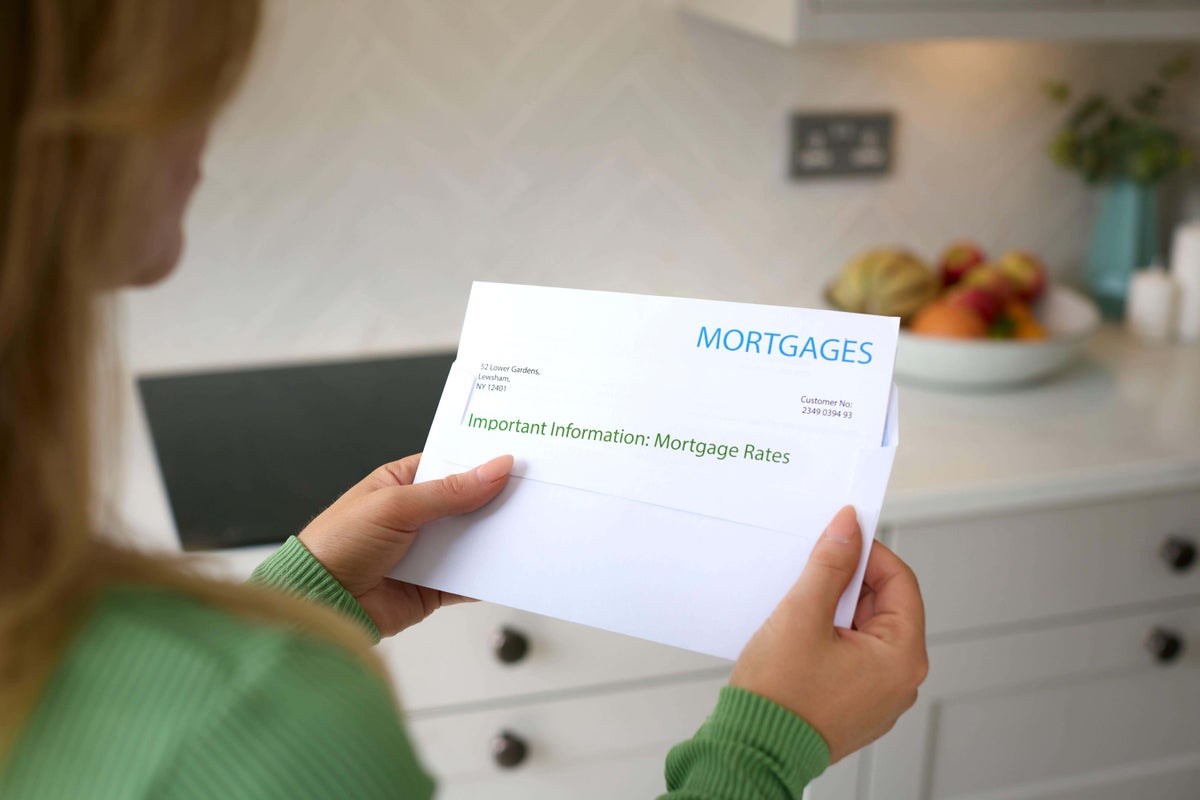
Homeowners could be hit with another mortgage rise before Christmas, with new economic data expected to push the Bank of England to raise interest rates again.
The BoE hiked the base rate to four per cent in November – the first time in more than three years – but many analysts predict a second raise could come in December.
Money markets are pricing in as many as three or four more rises across the coming year, though whether that transpires to actual votes from the Monetary Policy Committee (MPC) to raise rates is still up for debate.
Even if that many rises do not happen, another hike to 4.25 per cent is widely predicted by February at the latest. One MPC member voted to raise to that level immediately in November.
Following Wednesday’s data showing UK inflation hitting 3.6 per cent in October, the BoE may act again to help control rising prices by lifting the cost of borrowing.
But the outlook could change rapidly again if matters in the Middle East deescalate, noted AJ Bell’s head of markets, Dan Coatsworth.
“If you think the latest inflation reading gives the Bank of England fodder to put up interest rates again in December, brace yourself for what could happen next,” he said. “The market is pricing in UK interest rates potentially hitting 5 per cent by next Christmas or even as early as the summer. This would be heaven or hell, depending on your personal financial circumstances.
“Base rate increasing to 5 per cent would take us back toward peak rates for the post-crisis era. Only once since the 2008 financial crisis have UK rate setters put the cost of money at more than that, with the base rate peaking at 5.25 per cent from summer 2023 through until the middle of 2024.

Invest at least £100 in Stocks or ETFs of your choice. Get fractional shares worth £50!
Terms and conditions apply.
Go to websiteADVERTISEMENT
Invest at least £100 in Stocks or ETFs of your choice. Get fractional shares worth £50!
Terms and conditions apply.
Go to websiteADVERTISEMENT
“But note that rate expectations can change quickly. For example, a peace agreement in the Middle East could lead to lower energy prices and reduce inflationary pressures. In that situation, the market might change its tune and no longer expect the Bank of England to put up rates as high.”
With it being unlikely that such a peace deal is arranged in the short term, though, it means another rate hike could see homeowners paying more each month for their mortgage.
Fixed-rate deals will, of course, remain unchanged for the length of their term regardless of base rate changes.
But for the increasing number of homeowners on tracker deals, or those whose fixed deals have expired and are now on lenders’ standard variable rates, any hike by the BoE will result in an immediate uptick in monthly costs.
“Rates shooting up again to 5 per cent could have negative implications for homeowners coming off fixed rate mortgages and for investors holding shares in property and retail companies, and so-called bond proxies such as utilities,” added Mr Coatsworth. “On the flipside, it could be good news for cash savers, annuity buyers, and investors holding shares in UK banks.”
While lenders tend to quickly pass on the increased cost of borrowing, such as with mortgages, not all have been quite as fast to pass on the extra earning potential by lifting savings rates.
In theory, those with cash in the bank should earn a much better rate of interest if the base rate was lifted twice in succession. but it’s not always something to take for granted.
For mortgages, taking the best option on the table now continues to be the message from experts. You may be able to switch to a better deal later on before the new one starts, but you certainly can’t have the option of paying less if you’ve not locked in a deal and lenders remove the best rates from the market.
“Although the BoE messaging has been consistent in stating that there is no pre-determined path for rates, the door remains very much open to another base rate hike, even if it may not come until the new year,” said David Hollingworth, associate director at L&C Mortgages.
“Although some lenders have pruned some of their fixed rates in recent weeks, those cuts don’t look likely to become the ongoing trend for mortgage rates. Borrowers looking to combat the ongoing uncertainty will continue to lock in a fixed rate and should start the process well before their current deal ends, so that they have an option in place.
“The growing number of mortgage borrowers that have considered the merits of an initially lower tracker rate will now see some erosion of the price advantage. They will need to ready themselves for more potential increases to base rate whilst no doubt hoping further increases will be limited and take time to feed through.”
It is not yet a foregone conclusion that next month will be the moment that rates head back above 4 per cent, however, and what happens in the geopolitical arena between now and 17 December will still have a say in the nine votes cast that day.
“With inflation still likely to rise in the coming months and well above target, another rate increase looks probable,” acknowledged Janet Mui, head of market analysis at RBC Brewin Dolphin.
“However, the recent retreat in oil prices, the weak labour market and stable core inflation suggest that the Bank of England may not need to raise interest rates as aggressively as markets currently price in.”
KioskNews shows a cleaned-up reading view extracted from the publisher’s page — the original always lives on their site, not ours.