Google really needs you to know it cares about smart glasses privacy
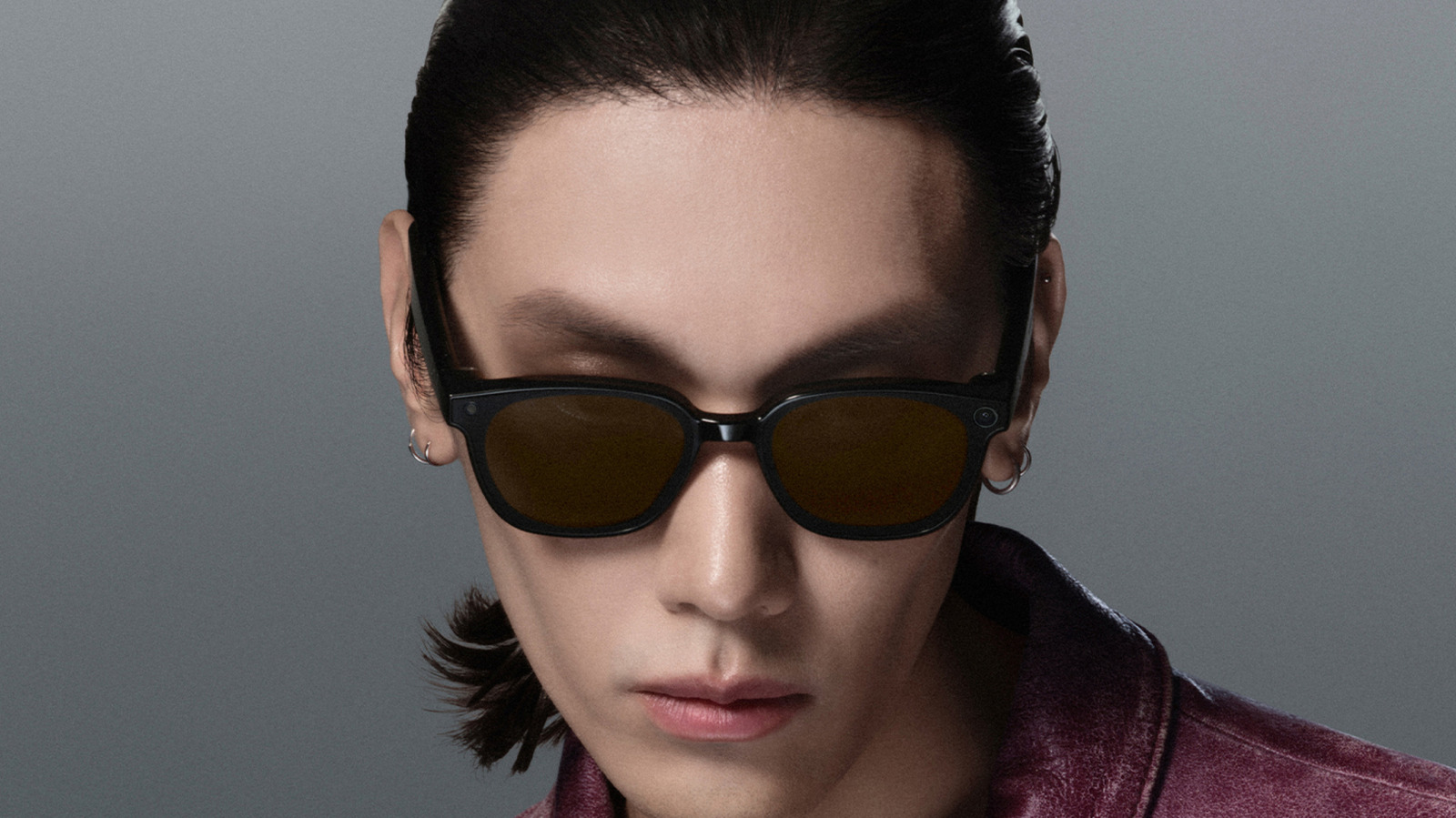
Public trust in smart glasses is very important for selling lots of smart glasses.
The world has changed in the ten years since Snap first launched its camera-equipped Spectacles. Not only has the smart glasses market grown, the number of people sharing videos online has also jumped significantly. Nowadays, thanks to the rise of platforms like TikTok and Reels, anyone can be an influencer. And the possibility of innocent passersby inadvertently being included in a viral clip is far higher than it was.
It is in this climate that Google launches its intelligent eyewear devices today. This year has already seen Meta catch heat for what people called its "pervert glasses" or "creep glasses." In addition to making people feel uncomfortable about being spied on or filmed without their consent, the controversy has also discouraged existing users of those glasses from continuing to wear them, not to mention possibly putting off potential buyers.
Google has been working on this launch for years, and it can be easy to see why it doesn't want its own camera-equipped glasses to suffer the same backlash or be painted by the same brush. Perhaps that's why it's taking pains to make its privacy policies around the intelligent eyewear platform clear today. It's published a blog post outlining the privacy protections it's bringing to the platform, and they don't just revolve around preventing tampering with the LED indicator lights. Google is taking a fairly comprehensive approach that goes beyond device-specific measures, and includes using its wide sphere of influence to prevent surreptitious videos spreading online. In fact, Juston Payne, the lead for XR at Google, told Engadget that there are quite a few ways privacy protection has been considered.
Privacy protection around the onboard camera, microphones and Gemini AI
Let's start with what's happening on the glasses. It's basically table stakes at this point, but they all have an LED light on them to indicate when someone is taking a picture or recording a video. The light, which sits on the left side of the frame while the camera is next to the right eye, has sensors to detect if it's covered or tampered with and will prevent the capture of pictures or video.
"Unfortunately, some of the glasses that have launched in the past launched without any kind of detection for those things, and that broke trust." Payne said. "And that's a problem," he added. He also said Google's methods are "pretty effective," though that's something that we'll have to test for ourselves to verify.
And just as there are bad actors who will continue to try to break security protections for any safe in the world or online, there will be people attempting to get around Google's anti-tampering measures here. Payne said "there will always be ways around what we build, and then we'll try to fix those holes," and that he expects there will be an ongoing back-and-forth. "But nonetheless, we're very happy with where we're starting on this one."
One of the main functions of Google's smart glasses is the ability for Gemini AI to use the camera to see what the wearer is looking at and provide more relevant information. During this process, the company says that the camera visuals won't be stored in your Gemini history. When there are faces in view, Google says "your glasses are also designed to automatically redact bystanders' faces before Gemini processes the visuals."
The camera stream also won't be used in AI training or ad targeting, and Google says any data that is sent off the glasses for processing, say in the cloud or on your phone, is encrypted for transit. It's also promising to bring the Private AI Compute processing platform to glasses, enabling these new devices to use the "hardware-secured sealed cloud environment" for greater processing.
While the camera may be the most obvious recording sensor on these devices, they also have four microphones onboard to allow you to speak to Gemini or get translations for people around you. Google uses beamforming to help focus on the individuals you're looking at when deciding whose speech to translate, and the company also said it "designed Gemini to focus on your voice by default, and not other voices around you, using directional microphones on the glasses."
Payne said that the microphones will filter out "all the world audio, as we call it, the bystander audio," It helps prevent accidental recording of people in your vicinity, but also improves Gemini's effectiveness by making sure it doesn't confuse someone else's heated argument as your query.
Of course, to make the glasses more useful, you'll have to grant it access to your apps and personal information. The intelligent eyewear can work with apps like Messages, Keep or YouTube Music, for instance, to send replies or create lists for you. Like on most phones, you'll have to grant permission to specific apps before they can access the camera on your glasses, and even after you do, you can still add or revoke access for every app.
Google also said you can view your past interactions with Gemini, delete individual chats or all of them. You'll also be able to decide if your conversations are used to train AI. And to make sure there's no confusion over whether you left the glasses on or off, and if the microphones or camera might still be tuning in, all the new eyewear have a power switch with a clear red indicator to tell you when they've been shut down.
Prevention beyond just the glasses and across the Google ecosystem
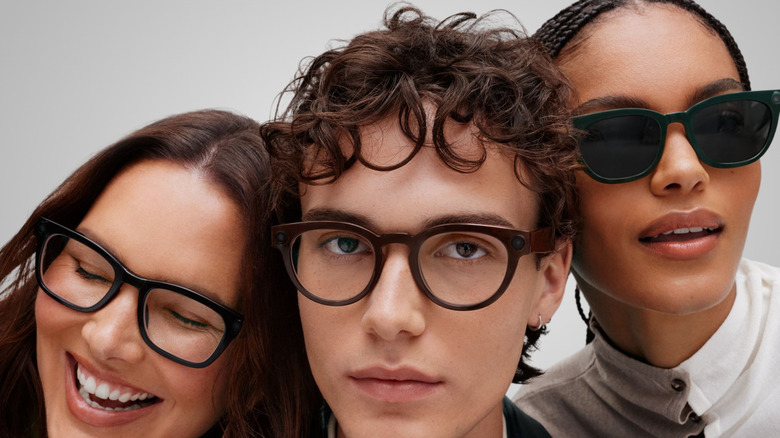
Most intriguing are the measures Google is implementing across its entire ecosystem. The company said it has protections in place "across Google apps and services to deter misuse of the glasses," and they're pretty far-reaching.
For one thing, Google Shopping and Google Ads will "ban the sale and advertising of stickers or accessories designed to hide recording lights."
The company is also working to cull the demand for videos of a harassing or creepy nature. Payne said that one of the problems Google has seen is a small number of people "who use glasses to take creepy videos."
YouTube will "prohibit content that depicts things like harassment and unwanted sexualization. Any video uploaded to YouTube — whether it's recorded on a phone, a camera, or glasses — has to follow these policies, and videos that don't are removed."
There are also considerations for apps that request permission to use the cameras on these devices. "There's multiple approval layers if an app wants to use the camera," Payne said. "And there's actually some use cases that we're just blanket cutting off."
To that end, Google said that the Play Store and API policies will "prohibit apps from using the camera for social live-streaming or real-time facial identification, and from changing the behavior of the outer indicator light." This live-streaming restriction also applies to YouTube.
Of course, since the eyewear will be compatible with iOS devices as well, it's possible that someone finds an app of that nature in the App Store and uses it. And though Google may ban the advertisement or sale of physical goods that can be used to hide the LED indicator, people could very easily procure one on Amazon or Temu. There's more that needs to be done against this problem, and Google alone cannot cover all bases.
Sure, there's the honor system approach that most modern recording devices already use. Things like requiring an 18+ Google account to activate an intelligent eyewear device and asking users to agree to not recording others without permission or in sensitive places are in place here as well.
But the responsibility of prevention of misuse doesn't just fall to the user or Google. There needs to be greater collaboration across the industry for these measures to be effective. Payne said that Google is sharing these statements now in an attempt to set an example and send a message. "We hope that it resonates with people, and we hope that as a byproduct of that, some others in this space say, 'You know what? We should probably tighten up some of our policies.'"
Payne believes that there is time to regain the public's trust. He said that while there is momentum building in the smart glasses space, it is still early days for the category. It allows the company a chance to "reset this conversation a bit, raise the bar on privacy."
If it's able to get the attention and cooperation of other players in the space, Google stands to benefit. "We think that that will then earn a lot of trust back in the category, then we can focus a lot on how cool and valuable these are."
KioskNews shows a cleaned-up reading view extracted from the publisher’s page — the original always lives on their site, not ours.