Archival research, e-book: DDA, INTACH to map 1,500 heritage structures in Delhi
The havelis of Chandni Chowk, Bhuli Bhatiyari ka Mahal, Jhandewalan temple and the Kalka temple are among the 1,500 heritage structures that will now be documented as part of an initiative to map and preserve Delhi’s architectural and historical legacy, officials said on Wednesday.
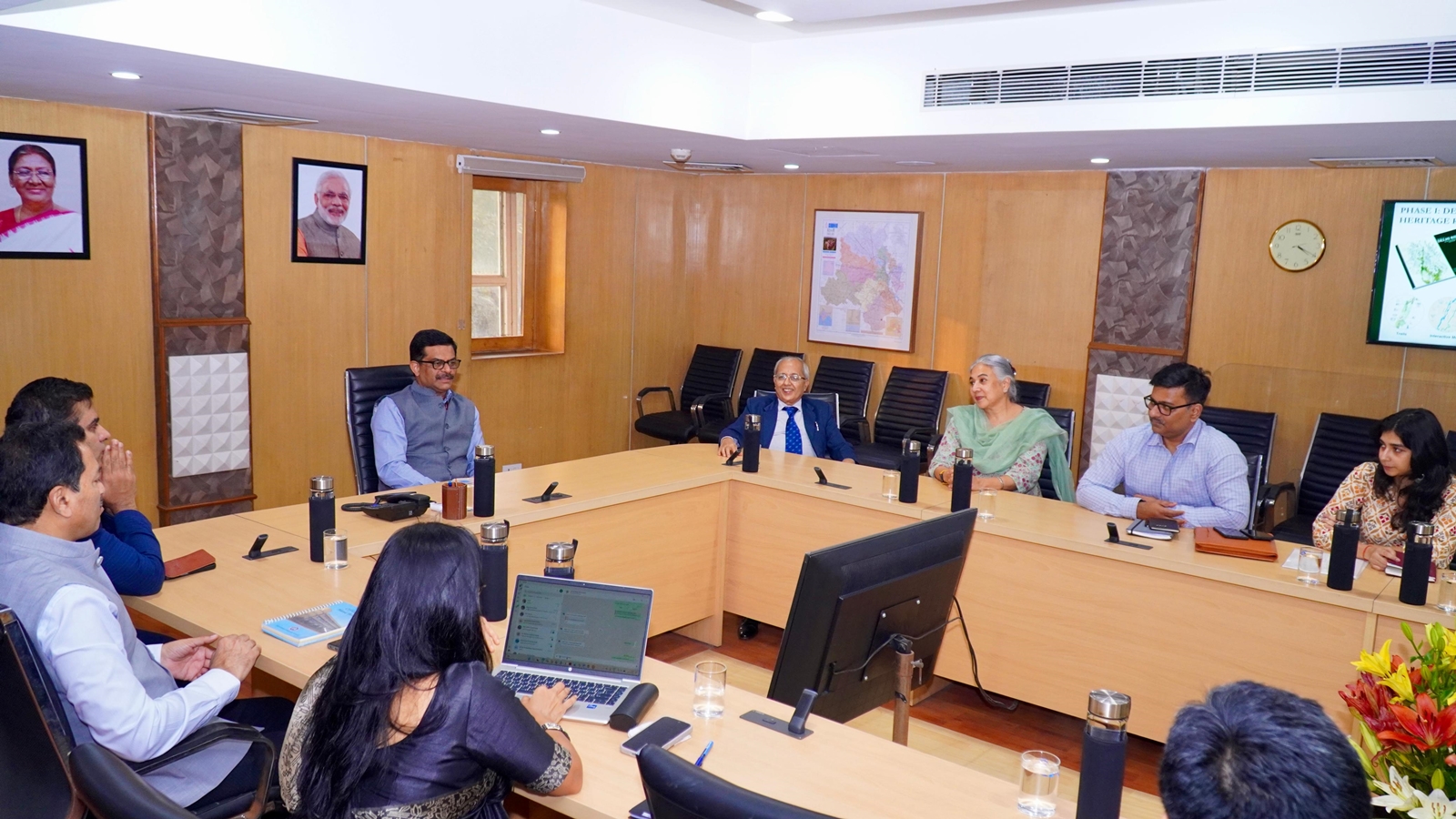
The Delhi Development Authority (DDA), in collaboration with the Indian National Trust for Art and Cultural Heritage (INTACH), Delhi Chapter, signed a memorandum of understanding on Monday (MoU) to document approximately 1,500 heritage structures across the Capital, including monuments, historic buildings, archaeological remains and contemporary architectural heritage, they added.
The initiative, titled ‘Rediscovering Delhi: Connecting People, Places and Heritage’, will also cover lesser-known and unlisted heritage structures, traditional bazaars and historic streets, with the aim of bringing them into the city’s conservation and urban planning framework, officials said.
The MoU was signed on November 16, following directions from Lieutenant Governor Taranjit Singh Sandhu, officials said. DDA Vice-Chairman N Saravana Kumar was also present at the signing ceremony.
According to officials, the exercise will go beyond merely preparing an inventory of heritage sites. “The documentation is intended to serve as a knowledge base for identifying and developing heritage zones, cultural precincts and archaeological parks, besides preparing conservation and rejuvenation plans for historic areas,” officials said, adding that it will also explore the adaptive reuse of old buildings and the revitalisation of traditional markets and heritage streets.
As part of the initiative, INTACH will undertake archival research to compile historical information about the identified structures, drawing on old photographs, archival records, historical documents and existing heritage listings.
To make the information accessible to the public, QR-coded signages and information plaques will be installed at identified locations, officials said. Visitors will be able to scan these codes on their mobile phones to access details about the history and significance of the structures. Interactive digital maps and specially curated heritage trails will also be developed to help people explore different parts of the city.
Story continues below this ad
A comprehensive digital e-book, featuring photographs, historical information on the documented structures and suggested walking routes, will also be prepared to serve as a resource for residents, students, researchers and tourists, officials said.
The research, documentation and design work is to be completed within a year of the execution of the MoU, officials said. The latest exercise will cover sites other than those already included in the e-book prepared under an earlier DDA-INTACH agreement, signed on April 2, 2026, to primarily document historic structures across the Delhi Ridge .
The initiative comes amid DDA’s efforts to increase public engagement with the city’s heritage through guided walks. Under a separate six-month collaboration with INTACH, the authority is organising 12 heritage and nature walks across six locations — Sanjay Van, Mehrauli Archaeological Park, Sultan Garhi, Tughlaqabad, Deer Park-Hauz Khas and the Northern Ridge.
The second walk in the series, held at Sanjay Van on November 14, saw all available tickets sell out. Participants were taken through five historic structures, including the historic well, large and small fortifications, a bastion near the small fortification and the Lal Kot Wall, officials said.
Story continues below this ad
The first walk was organised at Mehrauli Archaeological Park on October 24. Two walks are planned every month over the six-month period, with INTACH responsible for curating routes, developing interpretative content and arranging heritage experts and guides.
Officials said the broader documentation exercise is aligned with the vision of the Master Plan for Delhi 2047, which envisages heritage conservation as part of the city’s planned development. It is also in keeping with the Centre’s ‘Vikas Bhi, Virasat Bhi’ vision.
KioskNews shows a cleaned-up reading view extracted from the publisher’s page — the original always lives on their site, not ours.