Eight-million-year-old rhino skull unearthed in Crete
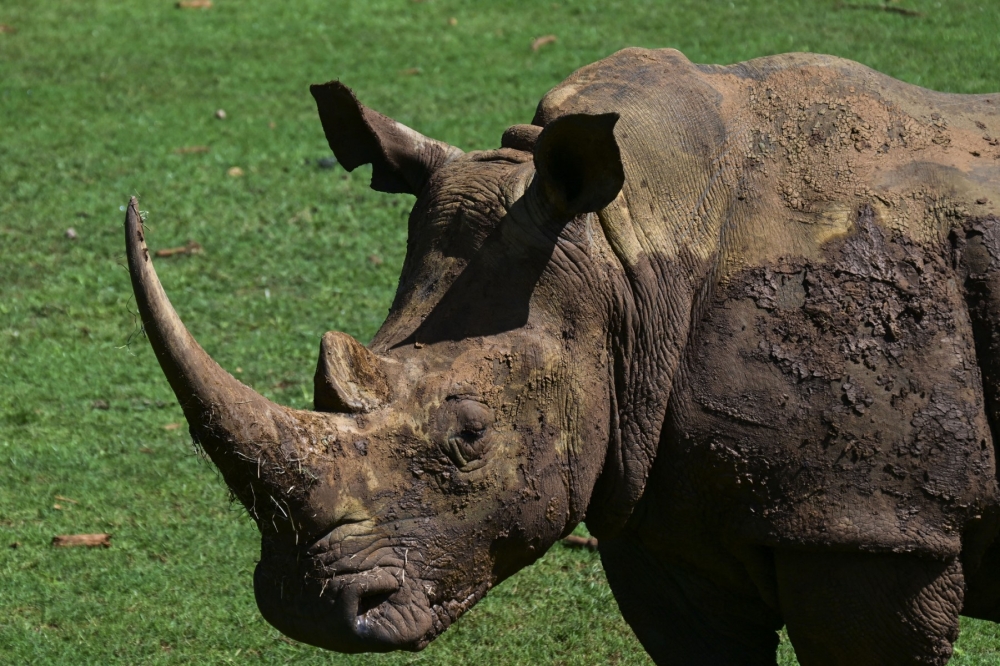

An eight-million-year-old rhinoceros skull has been discovered in the Sitia Geopark on the Greek island of Crete. — AFP pic
First Published: Wednesday, 30 Sep 2026 9:06 AM MYT
ATHENS, Sept 30 — A rhinoceros skull at least eight million years old has been found in a town in Crete, the Greek news agency ANA said yesterday.
It belongs to the Dihoplus pikermiensis species and dates back eight to 8.5 million years. The skull was found in the town of Sitia.
Dihoplus pikermiensis are two-horned massive rhinoceros that lived during the Upper Miocene and a typical species of the so-called Pikermian Fauna, which inhabited western Eurasia during that period.
During paleontological research carried out last March in the Magantze and Trapeza areas of Sitia’s Geopark, fossilised bones were located by a team of scientists and it was here the skull was found.
The Sitia Geopark is part of the global network of Geoparks of the UN agency Unesco and encompasses a paleontological history of nearly 300 million years.
Among the preserved features undergoing close study are three intact molars from the upper left jaw, offering researchers reliable insights into the animal’s diet and age, Greek media reports said. — AFP
KioskNews shows a cleaned-up reading view extracted from the publisher’s page — the original always lives on their site, not ours.