‘There has to be a bolder shift’: retail and hospitality businesses assess relief in budget

“It is like letting the tyres down and then handing you a pump,” says James Nye, assessing the relief handed to businesses in John Healey’s first budget as chancellor.
The managing director of Norfolk’s Anglian Country Inns argues that the budget made a “couple of steps towards helping” but added more labour costs for already burdened companies.
Nye, who employs 500 people at the height of the season at its 10 venues across Norfolk and Hertfordshire, was among those business owners watching Healey carefully on Wednesday, after two previous Labour budgets under Rachel Reeves had loaded extra costs on to businesses.
Healey aimed to help high street operators by removing the business rates burden from more small businesses and limiting the rise in the minimum wage for younger workers.
The chancellor put a lid on increases to business rates, so they will only rise in line with inflation for two years, and clamped down on VAT dodging by online sellers, among other measures intended to help high streets. However, some businesses argued Andy Burnham’s chancellor could have gone further.
Pets Corner, family-owned retailer
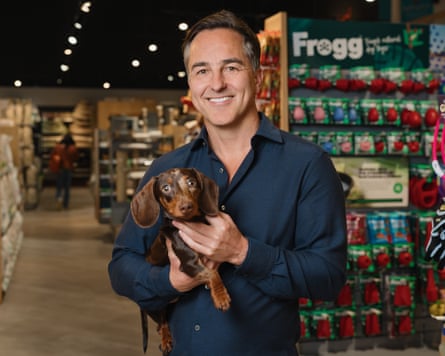
Dean Richmond, the owner of the Pets Corner chain, says the chancellor has not fixed the “fundamental problem” that its costs are rising faster than it can increase sales.
The family-owned business, founded by Richmond’s parents in 1968, now employs 1,200 people and has 159 stores. He does not expect to get much benefit from the increase in the threshold at which business rates begin to be paid.
“It’s a bit ‘moving the deckchairs on the Titanic’ on rates. There has to be a bolder shift if the government is going to help offline retail,” Richmond says.
He welcomed the move to ensure that online marketplaces such as Amazon collect VAT from more sellers, but was disappointed that Healey did not bring forward the end of tax breaks for online sellers, such as Shein and Temu, importing cheaper items from overseas.
“It feels like the world’s against us. When offline retailers all but disappear the world will miss us,” he says.
While he says Reeves’s budgets had been “really damaging, this is safe but isn’t going to change anything”.
“It is not a good news budget with the minimum wage going up,” he says, on top of the previous changes to employers’ national insurance contributions (NICs) and big increases in the minimum wage for employers.
Richmond says the business, based in Crawley in Sussex, had been forced to make “pretty drastic cuts” to the number of people it employed and to reduce bonus incentives, and had shifted to hiring older, more experienced people as there was less incentive to hire new starters.
Herdy, independent retailer and brand
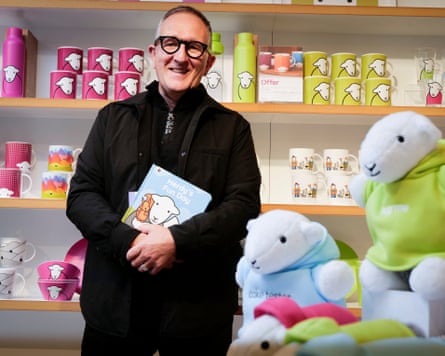
Spencer Hannah is the co-founder and owner of Herdy, which has five shops in Cumbria and sells its cartoon sheep-branded homewares and clothing online and to other retailers in the UK and overseas.
“The chancellor’s key narrative was that he wanted to support British businesses doing business with Britain and we applaud and support that,” says Hannah, whose business employs 28 people directly.
But Hannah says the budget lacked the “seismic difference” to help UK retailers and their local suppliers. He welcomed relief on business rates for smaller shops but says that was “not counterbalancing what’s happened in the last two years”.
after newsletter promotion
“Like everybody else running small and medium-sized enterprises, life has got slowly harder over the last two budgets and some poor choices have been made by the [last] leadership in government.”
He says increases in national insurance contributions, the minimum wage and other costs such as rent and energy have weighed on the business directly, but the “most frustrating thing” has been the impact of the higher costs for his domestic suppliers. He has been forced to ditch some of them, such as its mug manufacturer in Stoke, and look abroad.
Anglian Country Inns, pub and hotel operator
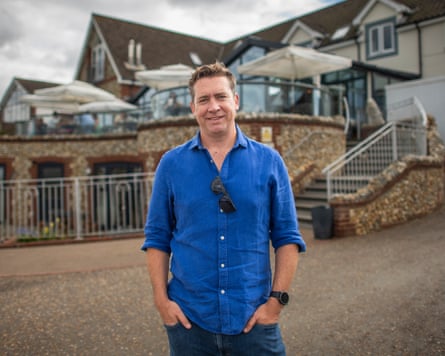
Nye says the budget made a “couple of steps towards helping” but against a very tough backdrop.
He welcomes help on business rates for smaller venues but says this is unlikely to assist Anglian directly. He was disappointed that the chancellor had yet again put up the legal minimum wage from April, which will more than offset the rates change for most.
A failure to cut VAT for hospitality businesses or cut national insurance contributions for younger workers were further disappointments.
Nye hopes that Healey’s support for household energy bills “might help consumer confidence”, but added: “We were expecting a little bit more to offset the massive tax increases hospitality has faced.”
“We are being crippled by taxes as a sector and the cumulative tax burden is horrific. We pay 83% as a percentage of our profits in tax,” Nye says.
“I don’t mind paying people more, but we’re then being taxed on it because the NICs threshold hasn’t changed, and the rate of NICs has gone up, so every time that the national minimum wage goes up, we’re paying more and more in tax.
“The cost of going out is getting more and more expensive. My biggest fear is that hospitality starts becoming a luxury rather than a convenience.”
KioskNews shows a cleaned-up reading view extracted from the publisher’s page — the original always lives on their site, not ours.