Beat cancer, then lost his jaw: How a 3D model helped rebuild it
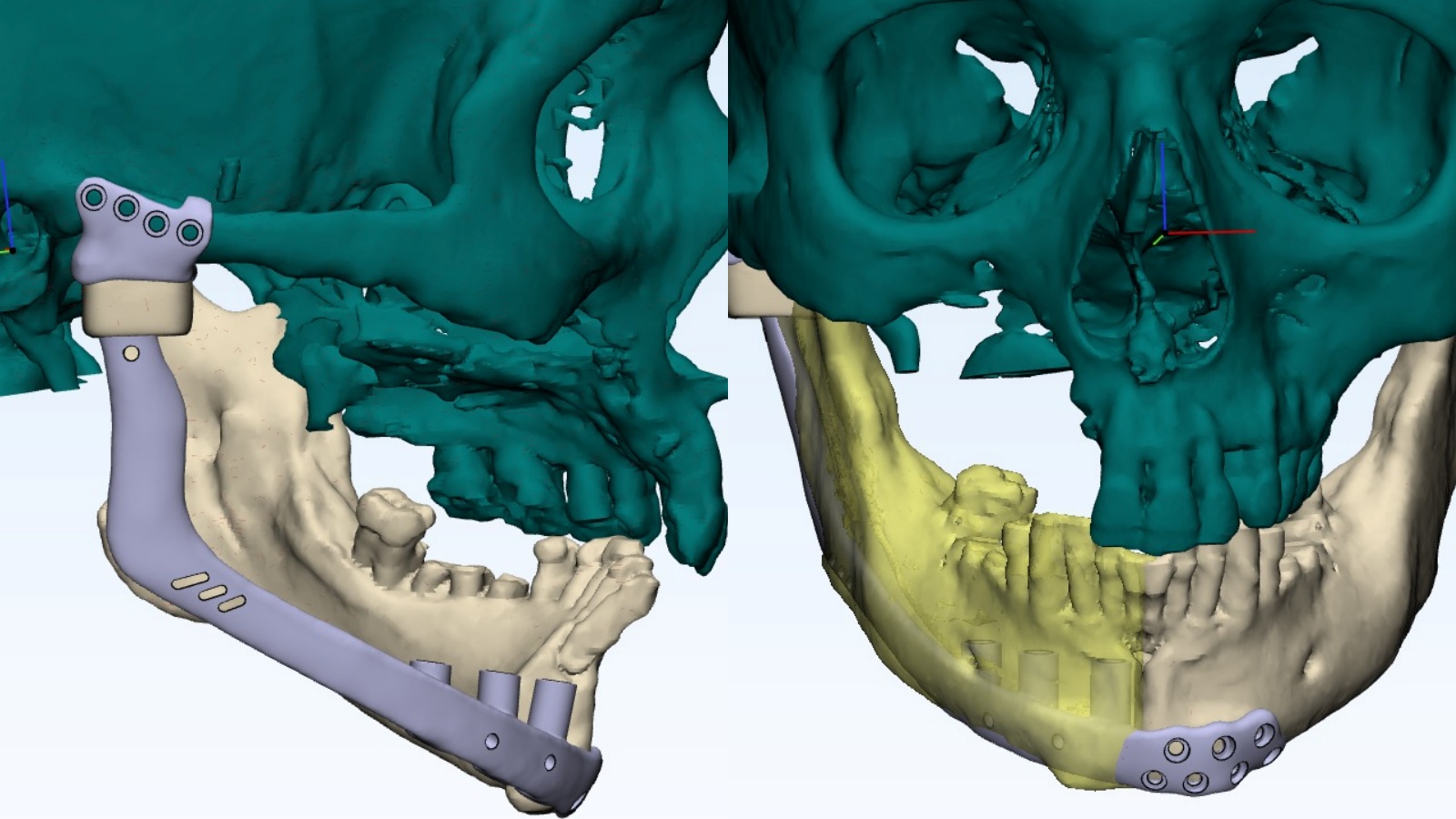
3D virtual planning used to restore facial contour, symmetry and mandibular framework. (Source: Express Photo)
Arvind Tagare survived cancer. Then came the second fight.
The 49-year-old retired engineer from Indore was diagnosed with Stage III cancer of the right buccal mucosa, the inner lining of the cheek, in March 2024. Extensive surgery and multimodality treatment followed. When it ended, he was left with a major defect in his jaw and face, restricted mouth opening, and an oronasal fistula, an abnormal opening between the mouth and nose that sent food and liquids up into his nose.
“After going through cancer treatment, I thought the hardest part of my journey was over, but living with the changes to my face and difficulty eating, speaking and swallowing was another challenge. I wanted to regain not only my appearance but also the confidence to live my everyday life normally. The doctors explained how 3D technology could help rebuild my jaw according to my own facial structure, which gave me hope,” Tagare said.
Once a PET-CT showed he was disease-free, doctors at SSO Cancer Hospitals moved to rebuild his jaw. Left alone, the fistula could have led to worsening regurgitation, poor nutrition and progressive facial disfigurement, said Dr Amit Chakraborty, lead head and neck surgical oncologist at the hospital.
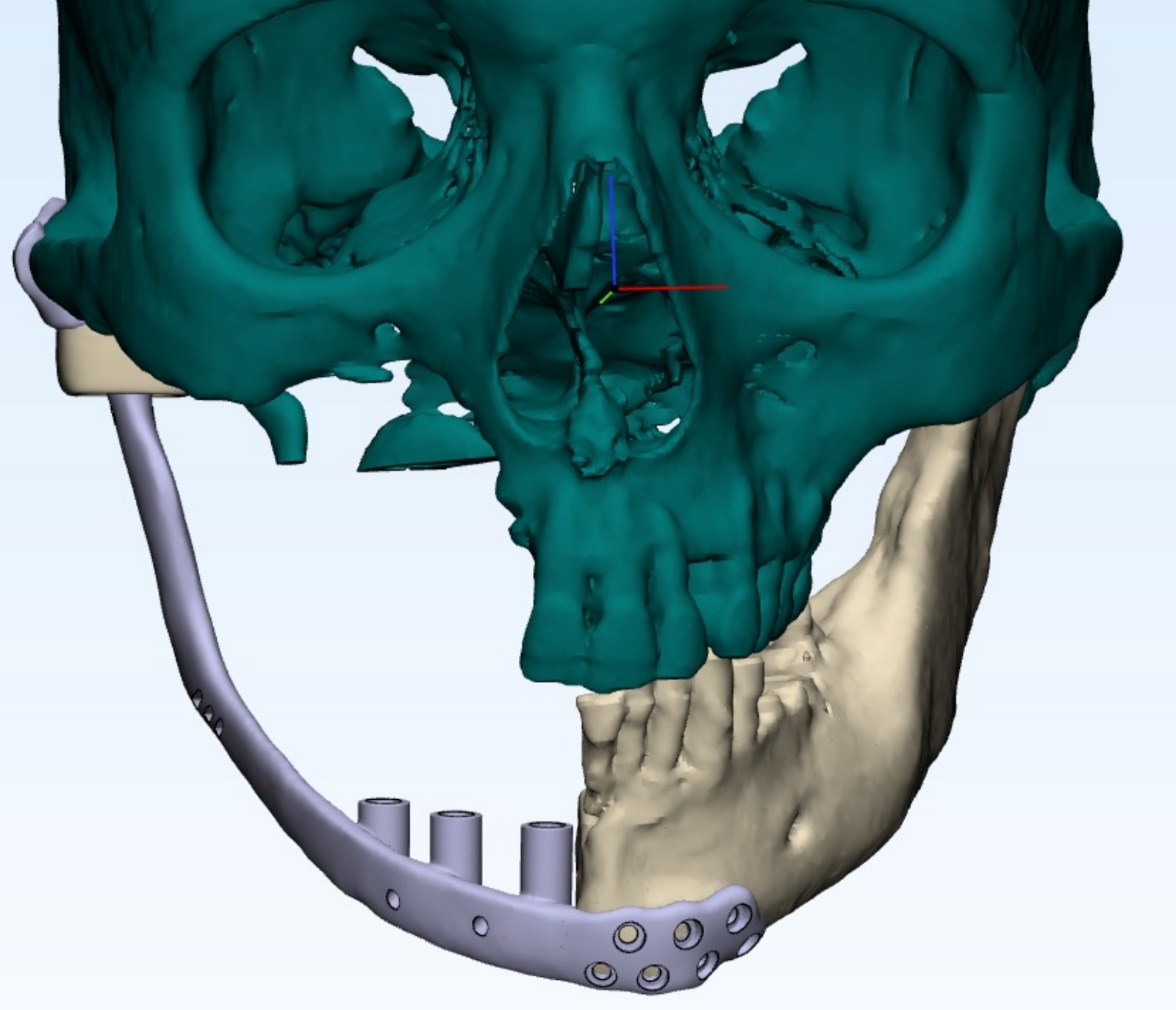 Patient-specific titanium implant designed to recreate the patient’s individual mandibulofacial anatomy. (Source: Express Photo)
It wasn’t a simple repair. Radiation had hardened and scarred the tissue, earlier surgery had distorted the normal tissue planes, and his limited mouth opening made access difficult. The blood vessels needed to supply transplanted tissue could also have been damaged by the earlier treatment.
So the team built the jaw on screen first. Using his CT scans, they created a 3D model of the defect and used the unaffected side of his face as a template for contour and projection. A customised titanium implant was designed from that model and prepared four days before surgery.
Conventional reconstruction relies more on estimating during surgery and bending implants by hand, Dr Chakraborty said. The custom implant is meant to make the result more accurate and predictable.
Story continues below this ad
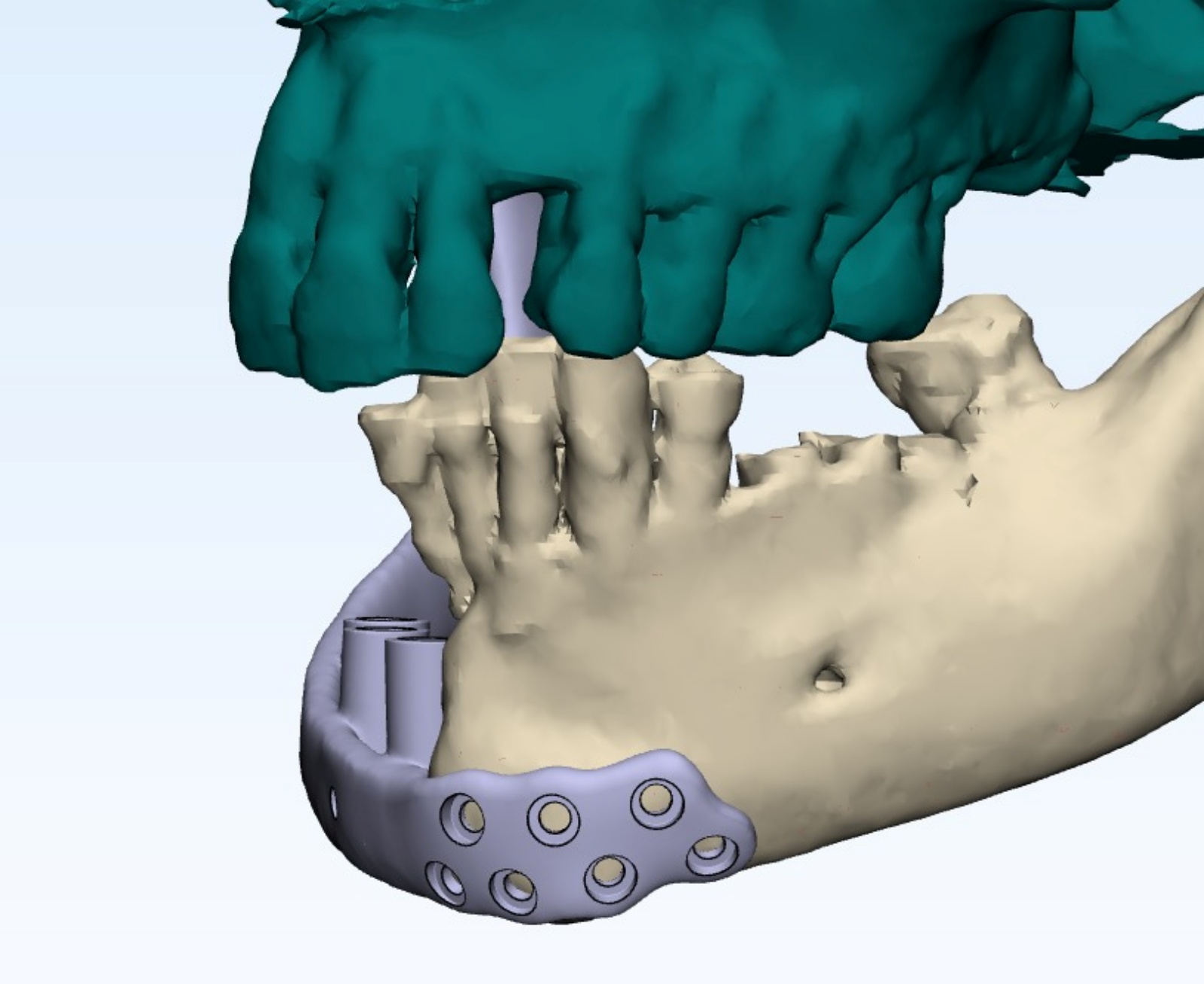 Jaw reconstruction combined with vascularised soft-tissue coverage to support oral function and healing. (Source: Express Photo)
In surgery, the implant formed the jaw’s framework. Living tissue taken from his left thigh covered it. The procedure went without complications, doctors said.
Tagare was fed through a nasal tube for about two weeks to protect the repair and was discharged on August 30. Rehabilitation now focuses on helping him chew, speak and swallow again, and work towards independence in daily life.
KioskNews shows a cleaned-up reading view extracted from the publisher’s page — the original always lives on their site, not ours.