Chinese state media takes aim at Japanese firm KDDI over Mongolia wildfire
Chinese state media has called for a Japanese telecoms firm to apologise to China over a huge wildfire in neighbouring Mongolia, as diplomatic tensions run high between Beijing and Tokyo.
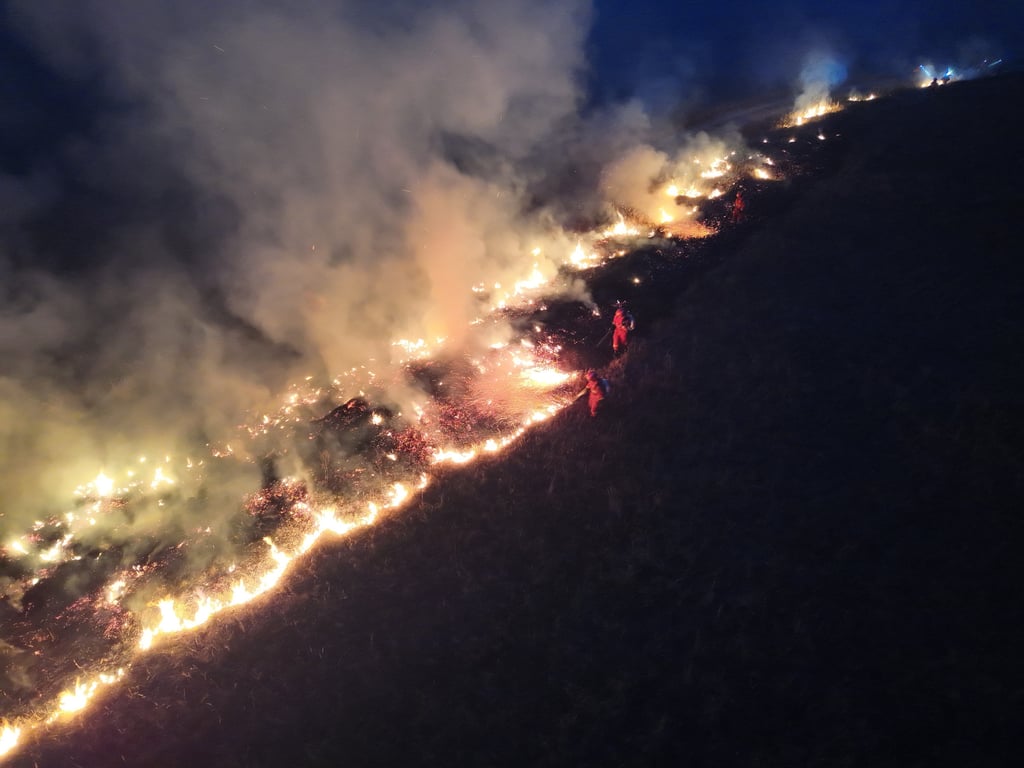
The grassland fire broke out on October 8 and burned about 80 per cent of a nature reserve on the Mongolia-China border.
According to Japanese media reports, the company, KDDI, has acknowledged that the fire was linked to activities involving its majority-owned subsidiary MobiCom – the largest mobile network operator in Mongolia.
Mongolian media reported that a vehicle used by MobiCom executives had caught fire, igniting dry grass and causing the large-scale blaze, with the company potentially facing compensation claims.
“We take extremely seriously the fact that a fire occurred in connection with the activities of MobiCom, a company within our corporate group, causing a significant impact on Mongolia’s natural environment,” KDDI said in a statement on Tuesday.
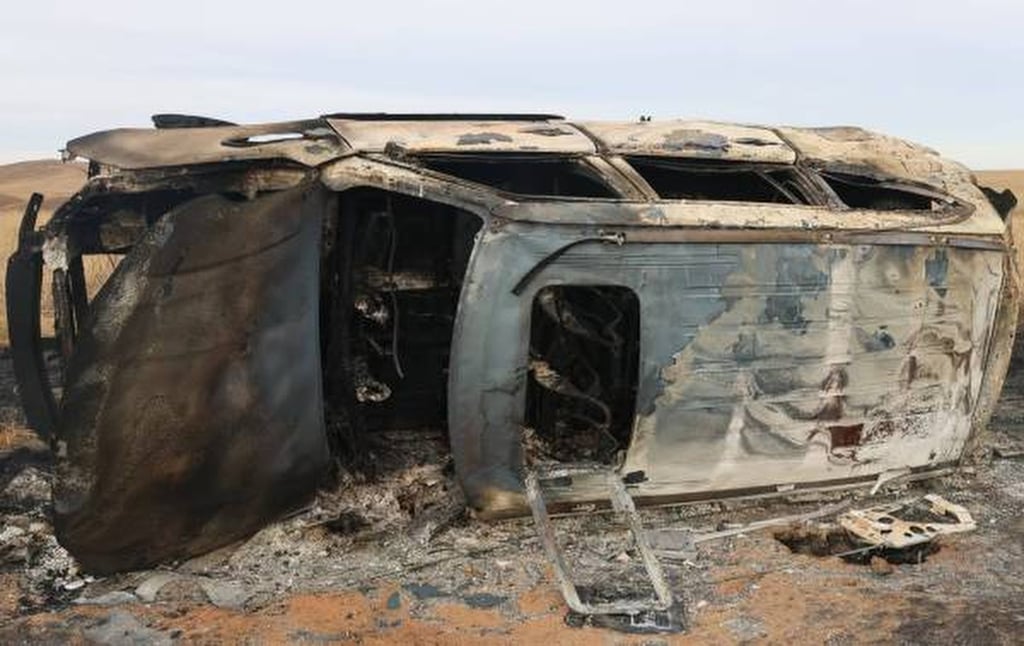
It said the blaze started after a MobiCom vehicle caught fire during an on-site survey.
“We sincerely apologise to the people of Mongolia, our customers, and all relevant parties for the tremendous trouble and concerns this situation has caused,” the statement said.
That followed an apology on October 14 from MobiCom’s Japanese chief executive Yasuhiro Ochi, who said in an interview: “We deeply regret the damage we have caused to the environment and sincerely apologise to the people of Mongolia.”
But a number of Chinese state-run news outlets took aim at the Japanese company on Wednesday and Thursday this week, saying that KDDI – which owns 98.85 per cent of MobiCom – had yet to make a formal statement on the impact of the fire in China.
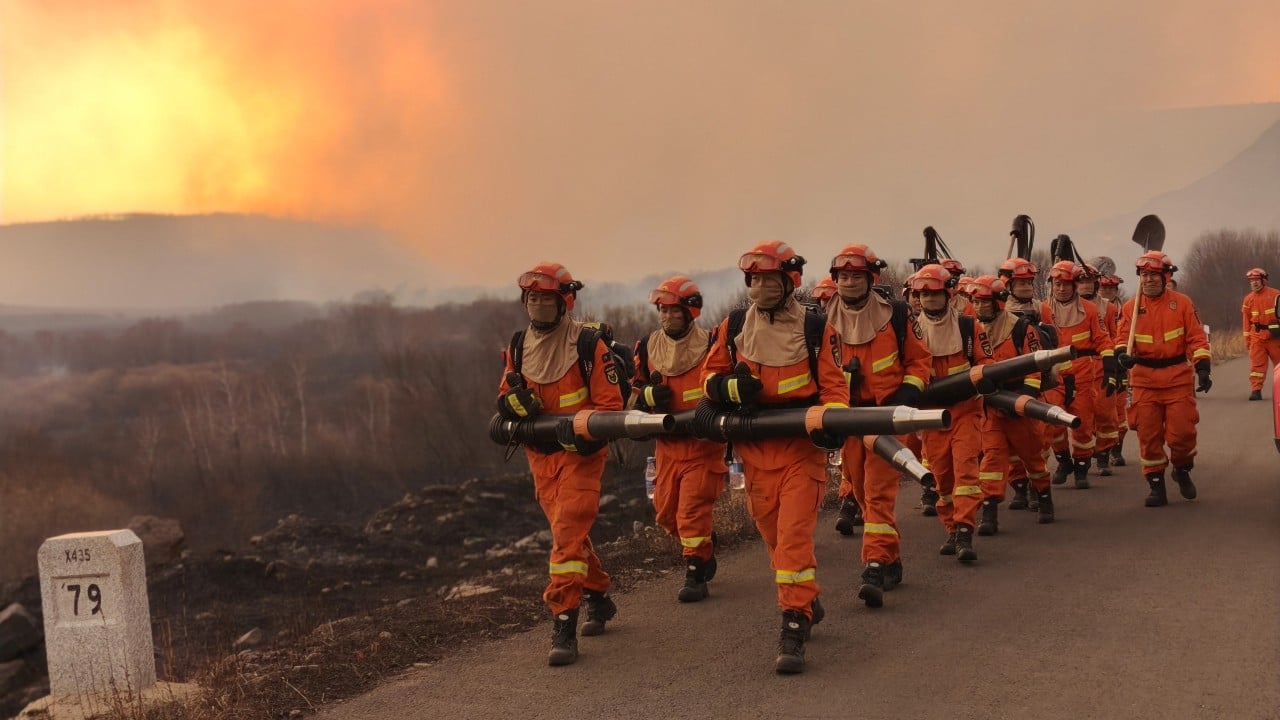
Official tabloid Global Times said China had taken on an “enormous cost” to prevent the fire from spreading across the border, deploying more than 3,400 emergency personnel who worked day and night for nearly a week.
“The Japanese company involved in the incident and the individuals bearing responsibility ought to apologise to China,” the editorial said.
“This is a fundamental baseline for clarifying their liability and addressing the legitimate concerns of the Chinese public, with absolutely no room for evasion.”
In its commentary, Changanjie Zhishi, a social media outlet run by Beijing Daily, said that while the fire had been successfully contained on the Mongolian side of the border, the Chinese side – the Inner Mongolia autonomous region – still had to contend with smoke and dust pollution, as well as the impact on its grassland ecosystem.
The KDDI statement on Tuesday confirmed that Ochi and two other executives were visiting the area on the day the fire broke out. It said they were there to “conduct 4G network communication tests” and had official permission to do so.
In its commentary, Changanjie Zhishi accused the company of “concealing the true purpose of the trip”, citing Mongolian media claims that the MobiCom executives had travelled to the protected nature reserve to fish for the critically endangered taimen.
“Starting with lies and offering only a selective apology after being exposed – where is the genuine remorse?” reads the commentary.
Both outlets also suggested there was a lack of coverage by Japanese media during the early stages of the incident. They claimed Japanese far-right groups could seek to shift blame onto China by portraying its response as an example of the “cognitive warfare” used by Beijing.
The wildfire started in the Numrug Strictly Protected Area in Mongolia’s eastern province of Dornod, which neighbours China’s Inner Mongolia region.
Thousands of Chinese emergency personnel were mobilised to patrol along the 330km border, widen firebreaks, clear vegetation and extinguish flames.
It took until October 16 to extinguish the blaze, which was contained over the border with no casualties reported on the Chinese side, according to Xinhua.
KioskNews shows a cleaned-up reading view extracted from the publisher’s page — the original always lives on their site, not ours.