How Much Are Indian Parents Paying For Their Child's Hobby? Is It Worth It?
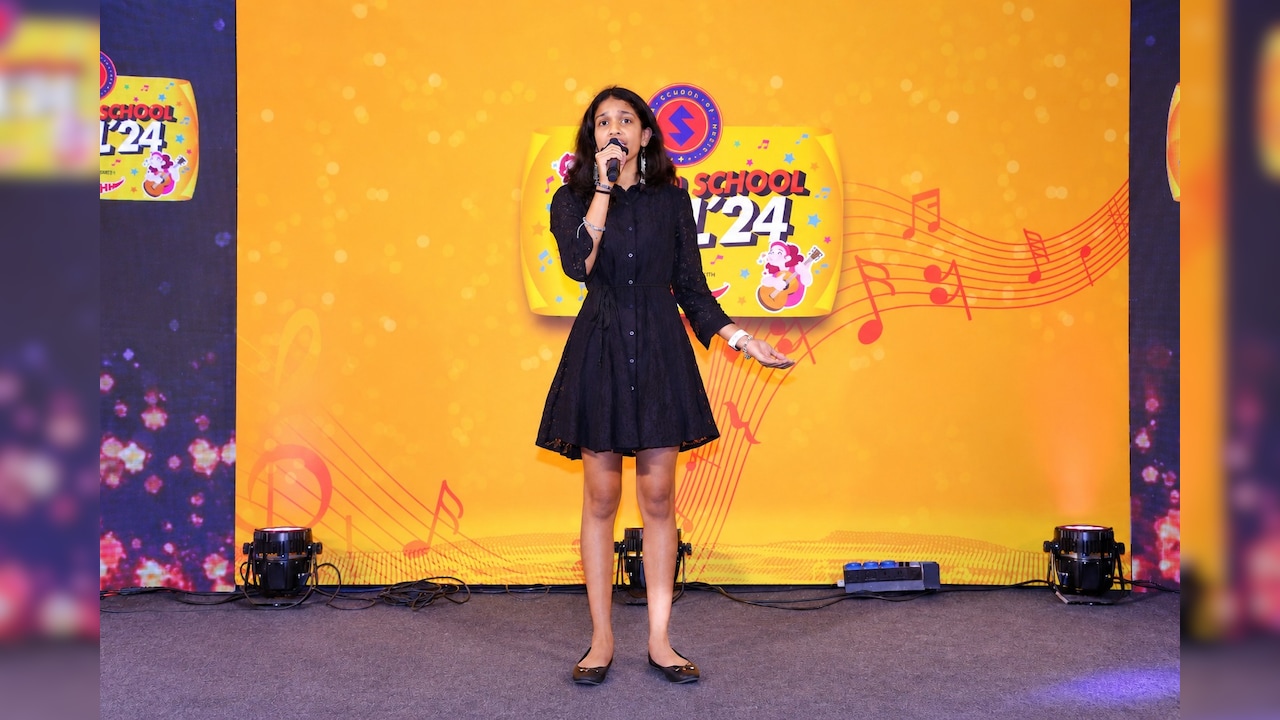
A child's first music class often begins with excitement. A guitar, a keyboard or simply the prospect of singing can become the highlight of the week. For parents, however, the excitement comes with a practical question: how much should they spend on a hobby, and what exactly are they getting in return?
Music classes, dance academies, sports coaching and art lessons are no longer occasional indulgences for many Indian families. They are increasingly becoming part of a child's growing-up years. And the bill can add up.
Advertisement - Scroll to continue
Take music education. At Spardha School of Music, personalised one-on-one online classes cost Rs 3,600 to Rs 4,000 a month for eight sessions of 30 minutes each. That works out to Rs 450 to Rs 500 per session. The average monthly expenditure on the platform is around Rs 3,200, while the average annual expenditure is approximately Rs 35,000, Saurabh Srivastava, Founder & CEO of Spardha School of Music, told NDTV.
For a family, this is not a one-time purchase. It is a recurring commitment that can continue for months, sometimes years.
Advertisement - Scroll to continue
The Hobby Bill: How Much Does It Really Add Up?
An annual music education bill of Rs 25,000 to Rs 35,000 may appear manageable in isolation. But parents rarely pay for just one extracurricular activity.
A child might attend music classes on weekdays, swimming lessons on weekends and perhaps a sports academy during the holidays. Add equipment, transportation, occasional performances and other related expenses, and the budget can expand considerably.
Srivastava estimates that an average family spends around Rs 25,000 to Rs 30,000 annually on quality music education. The duration also matters. Students typically remain enrolled on Spardha's platform for around 18 to 20 months, according to Srivastava.
At an average monthly expenditure of Rs 3,200, that translates into approximately Rs 57,600 to Rs 64,000 over the enrolment period. In other words, a hobby that initially looks like a modest monthly expense can eventually become a significant household investment.
Why Parents Are Spending More On Hobbies
For years, academic performance dominated conversations about a child's future. Marks, examinations and college admissions often dictated how families allocated their time and money.
But that thinking is gradually changing. "Over the last five years, parents' perspectives on music education have changed significantly," Srivastava says.
Parents are increasingly recognising that academic knowledge alone may not prepare children for everything life throws at them. Confidence, creativity, communication and the ability to adapt are becoming equally important.
Performing arts can offer children an opportunity to develop these qualities outside the classroom.
A child who struggles to speak in front of others may gradually become more comfortable performing on stage. Someone who gives up easily may learn the importance of practising a difficult musical passage repeatedly.
For parents, these changes can be as meaningful as learning to play an instrument.
Online Music Classes Vs Offline Academies: Which Is More Affordable?
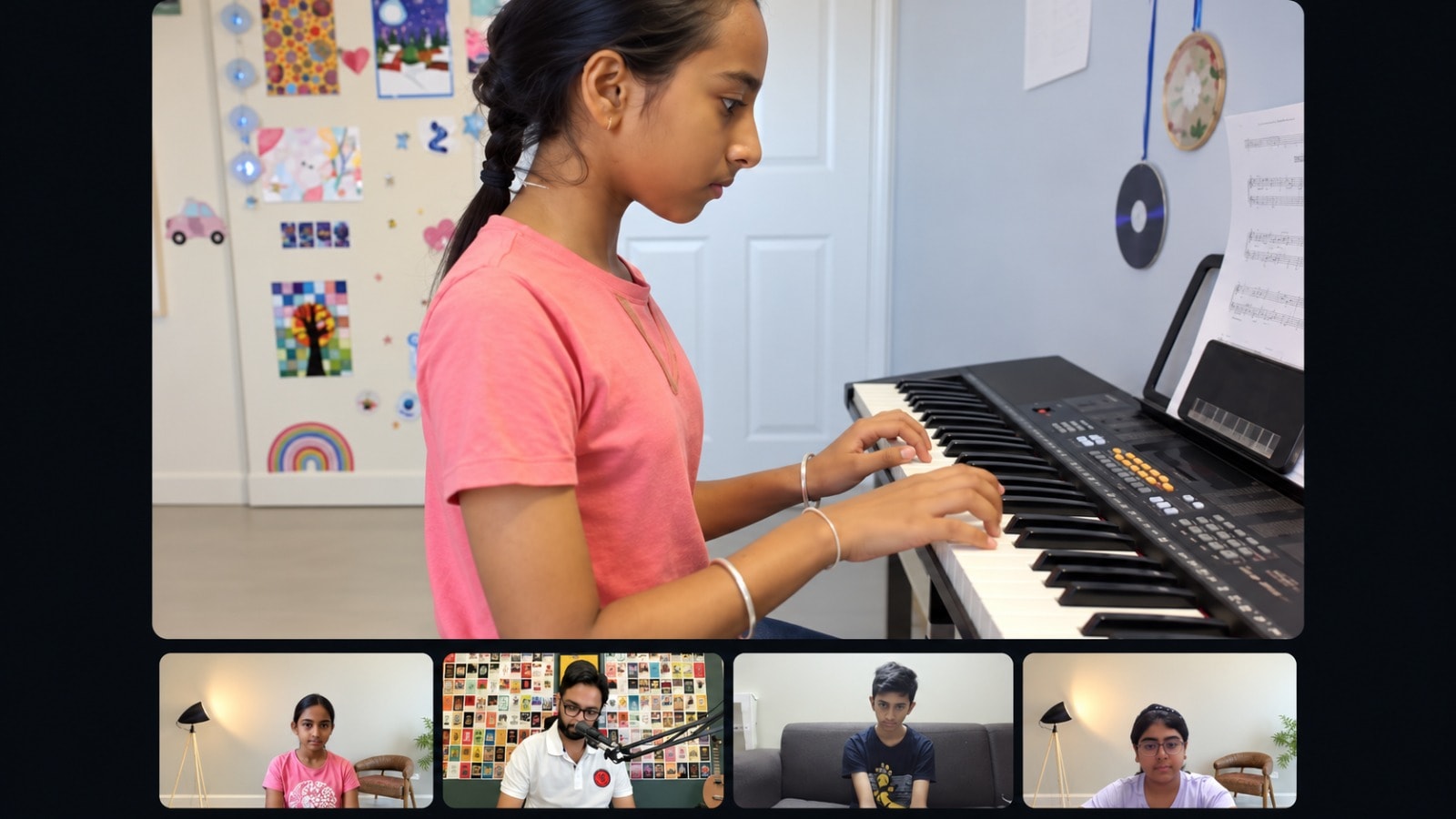
The cost of a hobby also depends on how children learn. Traditional music academies in metropolitan cities often conduct group classes with six to eight students in a batch. According to Srivastava, these classes typically cost around Rs 3,500 to Rs 4,000 per month.
Online music education, meanwhile, can offer individual sessions within a similar price range. "Since you can learn from the comfort of your home, the cost of travel, the effort and the time needed to go to the academy is also saved," adds Srivastava.
Online learning also gives students access to teachers beyond their immediate neighbourhood. However, affordability alone does not determine whether a class is suitable. The quality of instruction, teacher attention, curriculum and a child's ability to learn comfortably online remain important considerations.
A cheaper class that fails to hold a child's interest may eventually prove more expensive if the family has to start again elsewhere.
Is Music Education Worth Rs 30,000 A Year?
This is perhaps the most important question for parents. Unlike a school examination, musical progress does not always translate into an easily measurable score. A child may take months to master an instrument or become comfortable singing in front of an audience.
So, how should parents judge the return on their spending?
Srivastava believes the answer goes beyond musical proficiency. Structured music education can help children develop concentration, patience, discipline, creativity and resilience. Regular practice teaches them to work towards a goal. Performances can help them overcome stage fear and express themselves more confidently.
Music can also become a lifelong source of emotional expression and enjoyment. Parents, therefore, should not judge the investment solely by how quickly their child learns a song or completes a course.
They should look at whether the child is making progress, enjoying the classes, practising consistently and responding positively to the teacher. Improvements in confidence, concentration and enthusiasm can be equally meaningful.
The quality of the curriculum and the expertise of the teacher matter, too. A structured programme should give parents a reasonable understanding of what their child is learning and how the child is progressing.
When Should Parents Stop Spending?
There is another side to the hobby economy. Not every child wants to become a professional musician. Some may enjoy music for a few months before discovering a different interest. Others may continue learning for years without ever performing competitively.
That does not necessarily mean the money has been wasted. The real question is whether the child continues to enjoy the activity and whether the family can comfortably afford it.
Parents should be careful not to turn hobbies into another source of academic pressure. If a child is attending classes only because the parents expect a particular outcome, the investment may lose its purpose. It is also worth reassessing the expense periodically. A child's interest, schedule and learning needs can change. A hobby should evolve with them.
The Real Return On A Child's Hobby
For an average family, spending Rs 25,000 to Rs 35,000 annually on quality music education is a meaningful financial commitment. Over 18 to 20 months, the cumulative expense can cross Rs 50,000.
But the return is not always something parents can calculate in rupees. It may be a child who learns to perform without fear. Someone who becomes more patient after months of practice. Or a teenager who discovers that music offers an outlet when school, friendships or growing up become overwhelming.
As Srivastava puts it, music education is an investment in a child's holistic growth, rather than merely another extracurricular expense. Ultimately, the worth of a hobby may not lie in how well a child plays an instrument. It may lie in what the child learns about themselves along the way.
KioskNews shows a cleaned-up reading view extracted from the publisher’s page — the original always lives on their site, not ours.