Haze is making pets sick too: Malaysian vets report cats suffering asthma attacks, dogs needing oxygen therapy
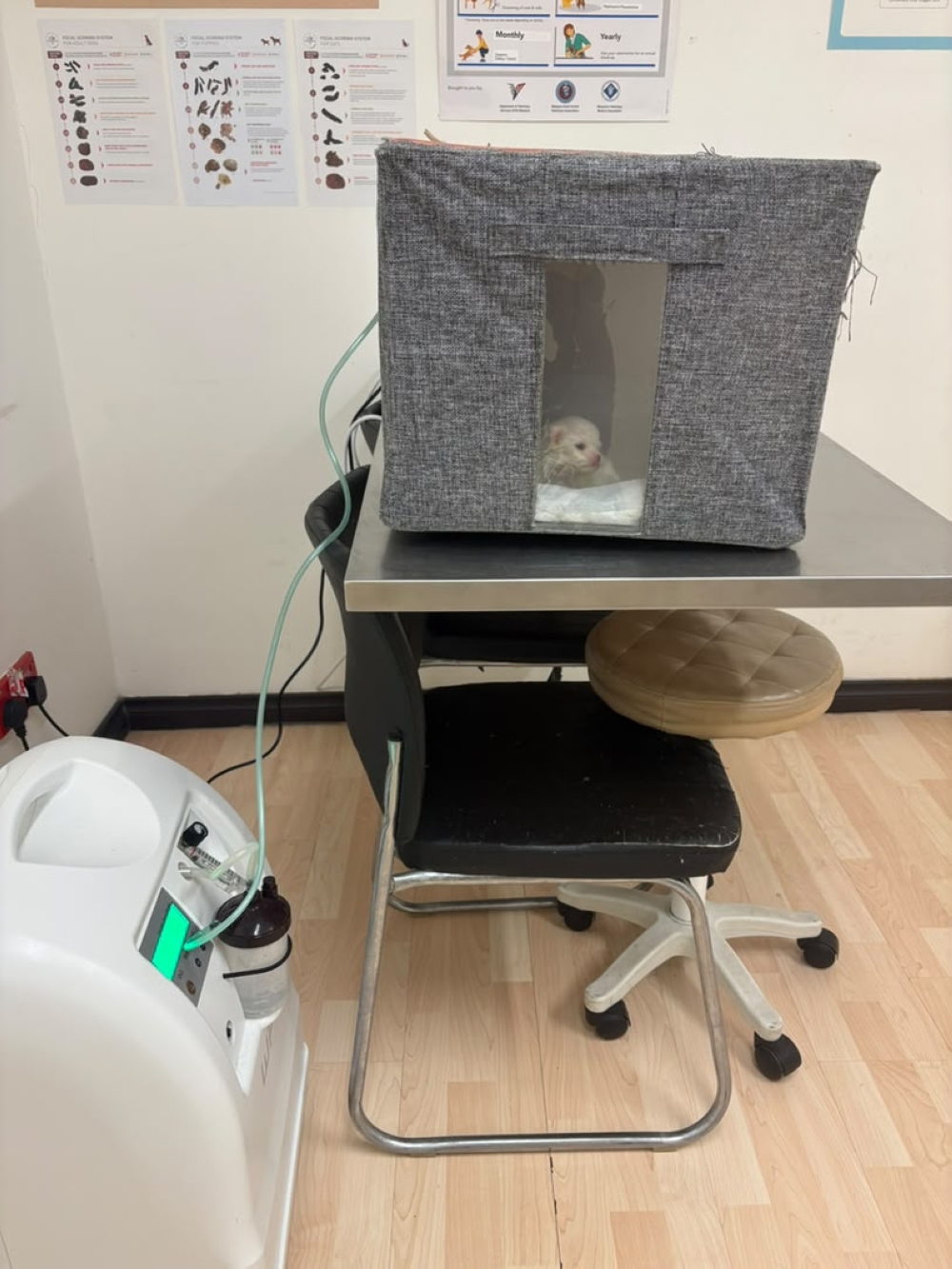

A puppy receives oxygen therapy inside an oxygen chamber at a veterinary clinic. Veterinarians have reported respiratory problems in pets amid worsening air quality in parts of Malaysia. — Picture courtesy of Noah’s Ark
By Julia Chan
First Published: Wednesday, 21 Oct 2026 7:00 AM MYT
KOTA KINABALU, Oct 21 — Haze and poor air quality are taking a toll on pets, with veterinarians reporting respiratory problems in cats, birds and dogs, including cases requiring oxygen therapy, as polluted air continues to affect parts of Malaysia.
Dr Wendy Cheng of Noah’s Ark Veterinary Clinic said fine particles in polluted air, including PM2.5, could irritate animals’ respiratory systems and aggravate existing heart or lung conditions.
She said she had personally seen cats experiencing asthma attacks and birds breathing with their mouths open, while a puppy had recently required oxygen therapy and nebulisation at a clinic.
“Symptoms owners should watch for include sneezing, coughing, nasal discharge, watery or irritated eyes, wheezing, rapid breathing, reduced appetite and unusual lethargy,” she said.
Open-mouth breathing, particularly in cats, or obvious difficulty breathing should be treated as an emergency, she added.

Veterinarian Dr Wendy Cheng of Noah’s Ark with a parrot. She urged pet owners to watch for signs of respiratory distress during the haze, particularly in animals with existing health conditions. — Picture courtesy of Dr Wendy Cheng
Meanwhile, Sabah-based veterinarian Dr Randolf Paza, who has 37,000 followers on Facebook and runs the Dr Haiwan Sabah Instagram account, said veterinary clinics and animal shelters in Peninsular Malaysia had also encountered animals experiencing respiratory problems amid unhealthy air quality.
“According to my peers, there are several cases where pets have been brought to clinics with symptoms that look like choking, but are actually coughing,” he said.
“The pets were given oxygen therapy, and some got better while others continued to show symptoms.”
Dr Paza also warned of the dangers of prolonged exposure to smoke and fine airborne particles.
“The haze from fires is dangerous because of the tiny particles that can affect the lungs and remain there, making it difficult to breathe,” he said.
He added that prolonged exposure, if left untreated, could also affect animals' appetite and potentially lead to more serious health complications.
With air quality remaining a concern, Dr Cheng advised owners to keep pets indoors as much as possible and limit outdoor walks and strenuous activities.
She also recommended keeping windows closed, using an air purifier with a high-efficiency particulate air (HEPA) filter where available, and ensuring pets have access to fresh drinking water.
“Owners should also avoid exposing pets to cigarette smoke, incense, scented candles and aerosol sprays indoors. Senior animals, flat-faced breeds and pets with existing heart or respiratory conditions require closer monitoring,” she said.
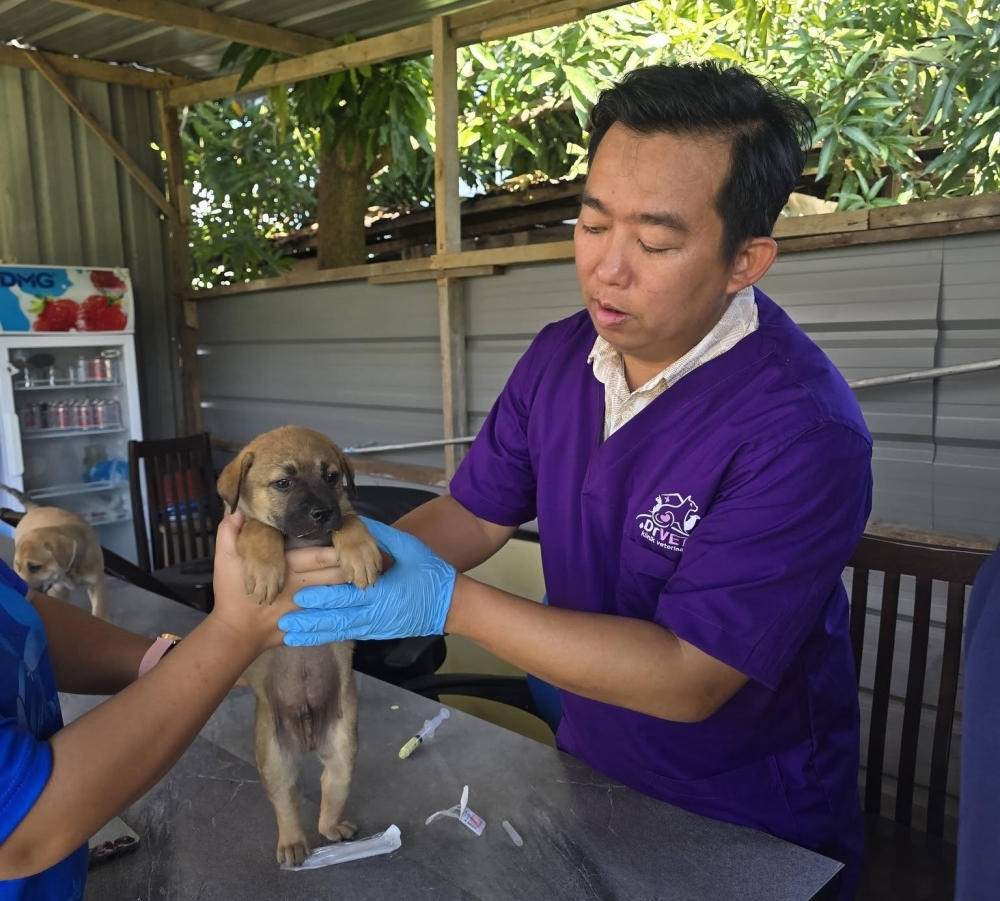
Veterinarian Dr Randolf Paza examines a puppy. He warned that haze and fine airborne particles could cause breathing difficulties in animals, sometimes requiring oxygen therapy. — Picture courtesy of Dr Randolf Paza
Dr Paza similarly urged pet owners to monitor air quality and their animals’ condition without panicking, and to reassess precautions as conditions changed.
The warnings come as Malaysia continues to grapple with haze linked to forest and peatland fires in Indonesia, with smoke affecting air quality across parts of the country.
As of 9am on October 19, 27 areas recorded unhealthy Air Pollutant Index (API) readings, according to the Department of Environment's air-quality monitoring system, as reported by Bernama.
Johan Setia in Selangor recorded the highest reading at 172, while seven areas in Johor, including Tangkak, Pasir Gudang and Batu Pahat, also registered unhealthy air quality.
Other affected areas included parts of Melaka, Negeri Sembilan, Kuala Lumpur, Putrajaya, Pahang and Sarawak. API readings between 101 and 200 are classified as unhealthy.
For animals experiencing severe respiratory distress, veterinary clinics may administer oxygen therapy through oxygen delivery devices or oxygen chambers.
In severe cases, prolonged exposure to polluted air can lead to life-threatening respiratory complications, making early intervention particularly important.
“Pet owners should seek veterinary attention promptly if their animals show signs of breathing difficulties, particularly if symptoms worsen or do not improve,” Dr Cheng said.
KioskNews shows a cleaned-up reading view extracted from the publisher’s page — the original always lives on their site, not ours.