Some 20 Israelis stuck in northern Ethiopia’s Tigray region amid rebel advance
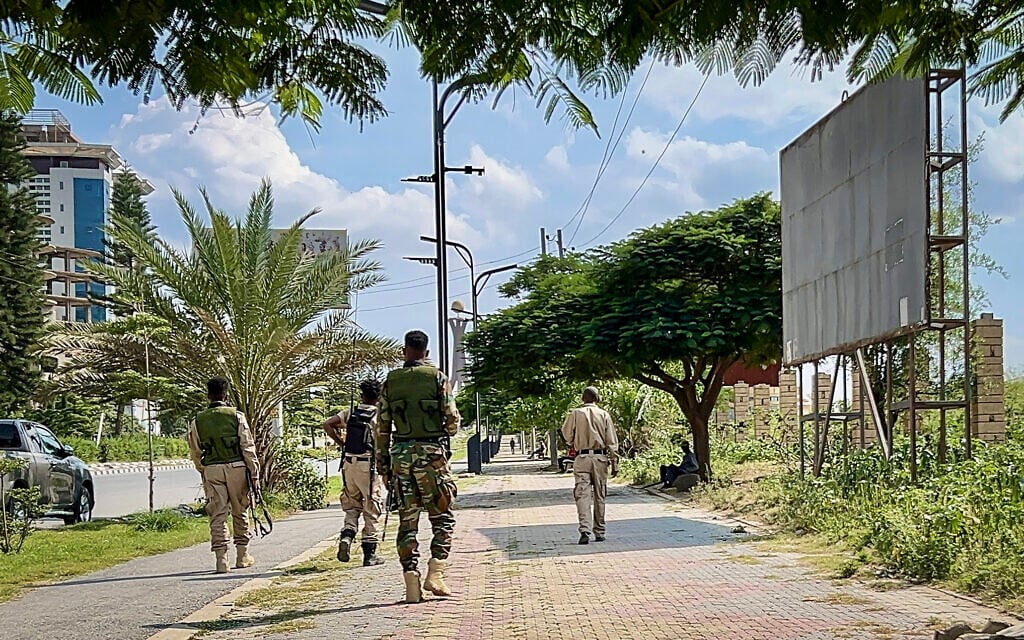
Israel’s Foreign Ministry said Sunday that it was leading “feverish efforts” to assist some 20 Israeli citizens who are stuck in Ethiopia’s northern Tigray region, amid a rebel advance in the area.
Heavy clashes resumed between the Tigray People’s Liberation Front (TPLF) and the federal government last week, raising fears of a return to the full-blown civil war of 2020-2022 in which an estimated 600,000 people died.
The Israelis are stuck in the city of Lalibela, where airports are reportedly closed and road travel is dangerous.
0:00 / 0:00
Promoted: Nefesh B'Nefesh - Aliyah is Now

“Flights have been canceled indefinitely, and this is no longer just a delay of a few days,” the stranded Israelis said in a letter to the Foreign Ministry, as reported by the Ynet news site. “The city’s fuel, food, and cash stocks are extremely limited.”
One stuck Israeli told the outlet: “We have made an urgent appeal to the Foreign Ministry to examine safe evacuation options.”
Get The Times of Israel's Daily Edition by email and never miss our top stories
By signing up, you agree to the terms
Responding to the letter, the Foreign Ministry said it, along with several other agencies, is “leading feverish efforts” to secure the Israelis’ evacuation.
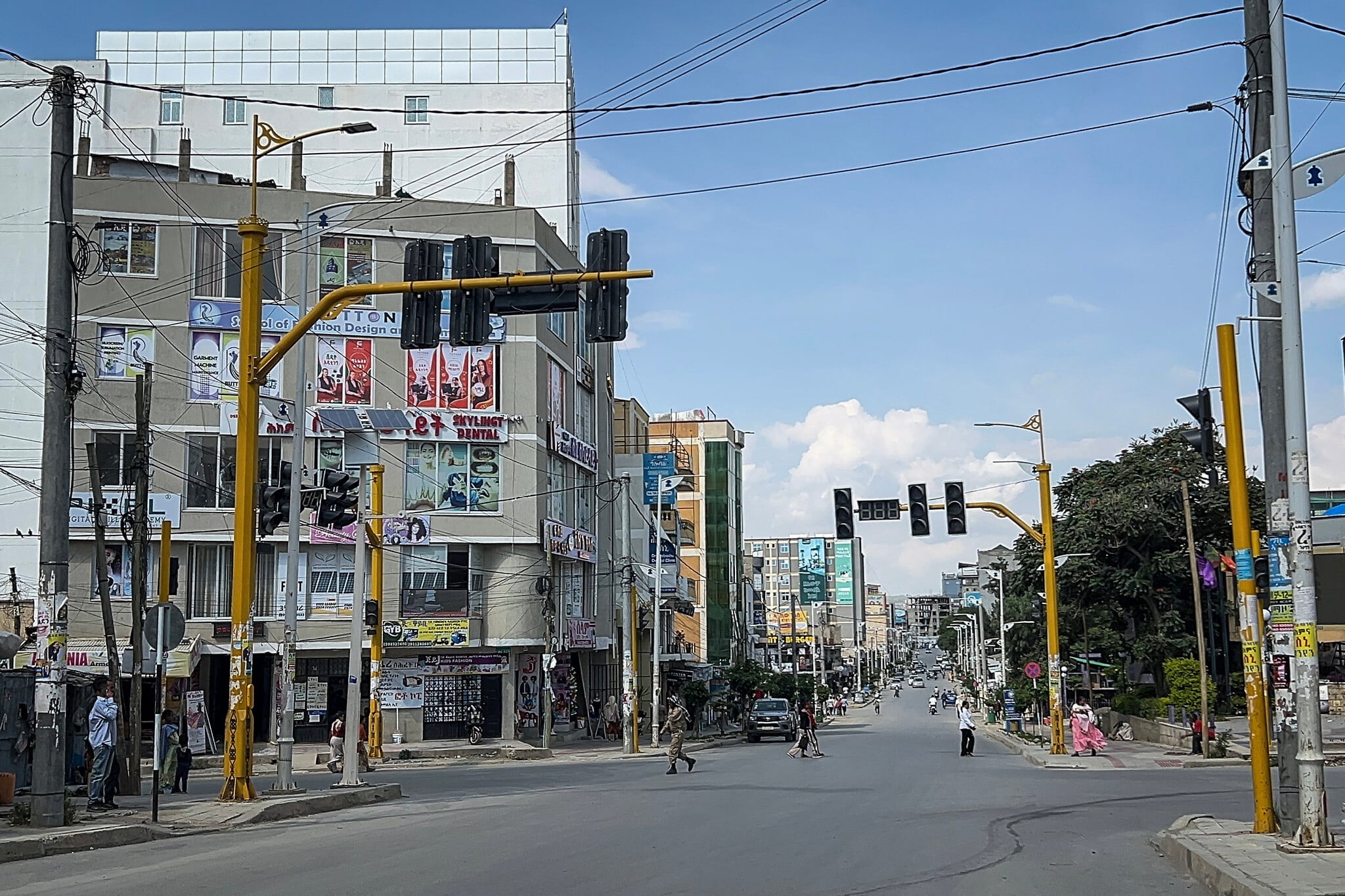
It said it was “closely monitoring the situation of Israelis staying in areas where there has been a security escalation,” adding that it was “in contact with the groups and relevant parties.”
“We are continuously examining the options for leaving the area in cooperation with local parties and in accordance with developments and security conditions on the ground,” it added.
Rebel advance
According to local sources speaking to AFP, the TPLF rebels have made significant advances in Tigray, seizing local airports and launching attacks into the neighboring states of Afar and Amhara.
A humanitarian source said the Afar town of Erebti, near the border with Tigray, had fallen to the rebels on Sunday after being pounded by heavy artillery. The TPLF was now advancing toward the town of Afdeera, some 100 kilometers (60 miles) to the east.
The source estimated that at least 150,000 have already been displaced in Afar, but said it was impossible to give precise numbers.
The TPLF has forged an alliance with seven armed groups around the country, and appears to repeating its strategy from the last war of pushing south through Amhara toward Addis Ababa. Its offensive in Afar is aimed at cutting supplies from Djibouti, which provides almost all of Ethiopia’s international trade cargo, including fuel.
Meanwhile, the headquarters of Tigrai TV, seen as the key outlet for the rebel authorities in the Tigrayan capital, Mekelle, was hit by a drone early Sunday morning.
“We heard a loud bang from a drone strike elsewhere and we fled the building,” a journalist from the station told AFP, speaking on condition of anonymity. The channel has not yet commented on the incident.
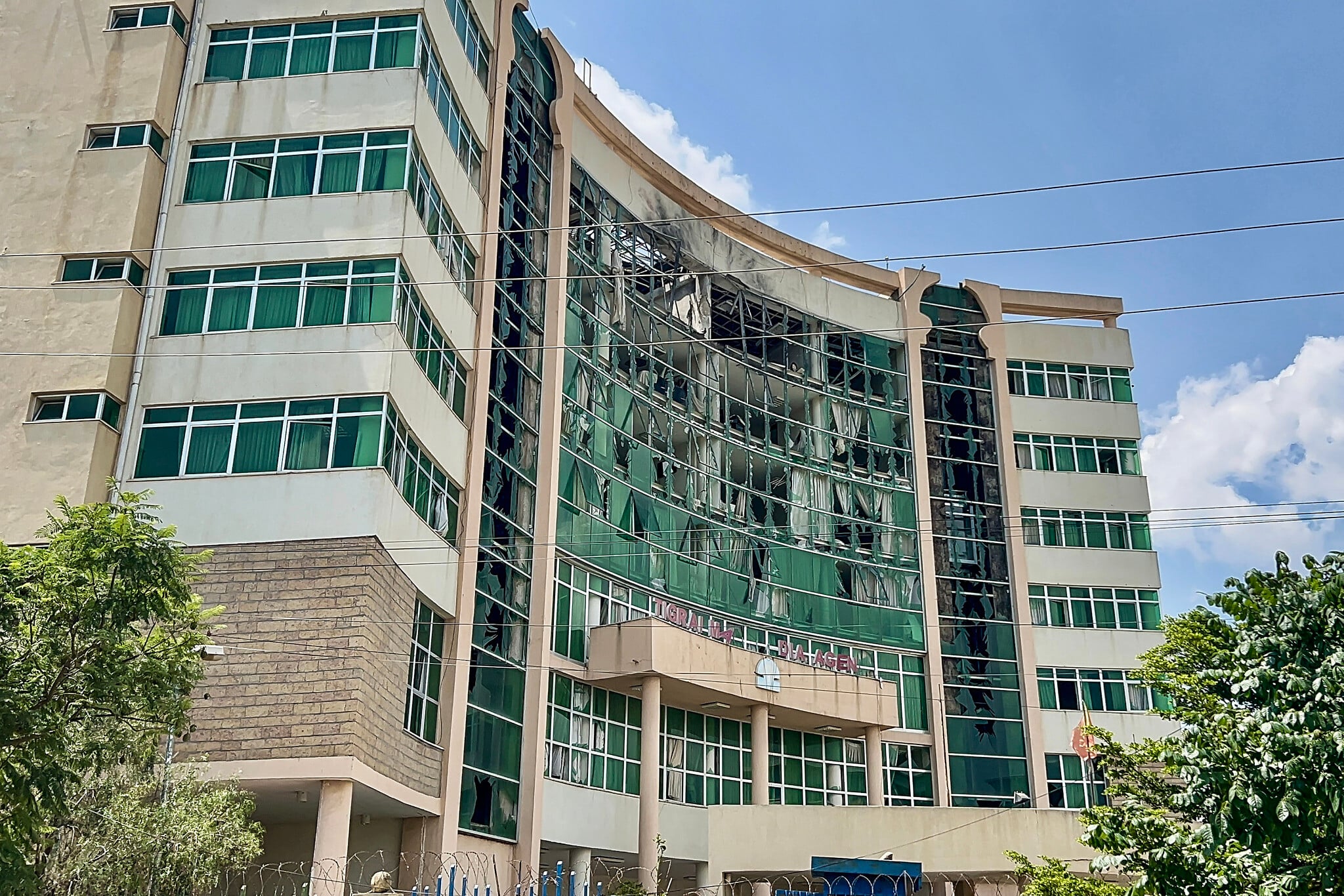
Photos taken by a local journalist showed the facade of the Tigray TV building damaged and blackened, with numerous windows blown out by the explosion.
Another journalist said the station, which has around 400 employees, was off-air after the attack. No reports of casualties were immediately available.
The federal government in Addis Ababa said on September 21 that Tigrai TV had been suspended “indefinitely,” and banned other outlets from broadcasting its reports.
Blockade and blackouts
Communications have been limited since Friday when key telecom providers reported major disruption to phone and internet services in Tigray, making reporting on the conflict difficult.
Many in Tigray are terrified of a repeat of the blockade imposed by the federal government during the war of 2020-2022 — one of the deadliest conflicts in the world in recent years — when electricity, banking, and almost all aid were cut off.
United Nations chief Antonio Guterres raised the alarm on Friday, his spokesman saying he was “particularly troubled by reports of the use of drones as well as incidents of harm to civilians.”
The government has a significant military advantage, with a large arsenal of drones, an army of some 500,000 troops, and support from abroad, notably the United Arab Emirates. But the conflict could draw in neighboring Eritrea on the side of the rebels, as it fears landlocked Ethiopia has been planning to invade and seize a direct point of access to the Red Sea.
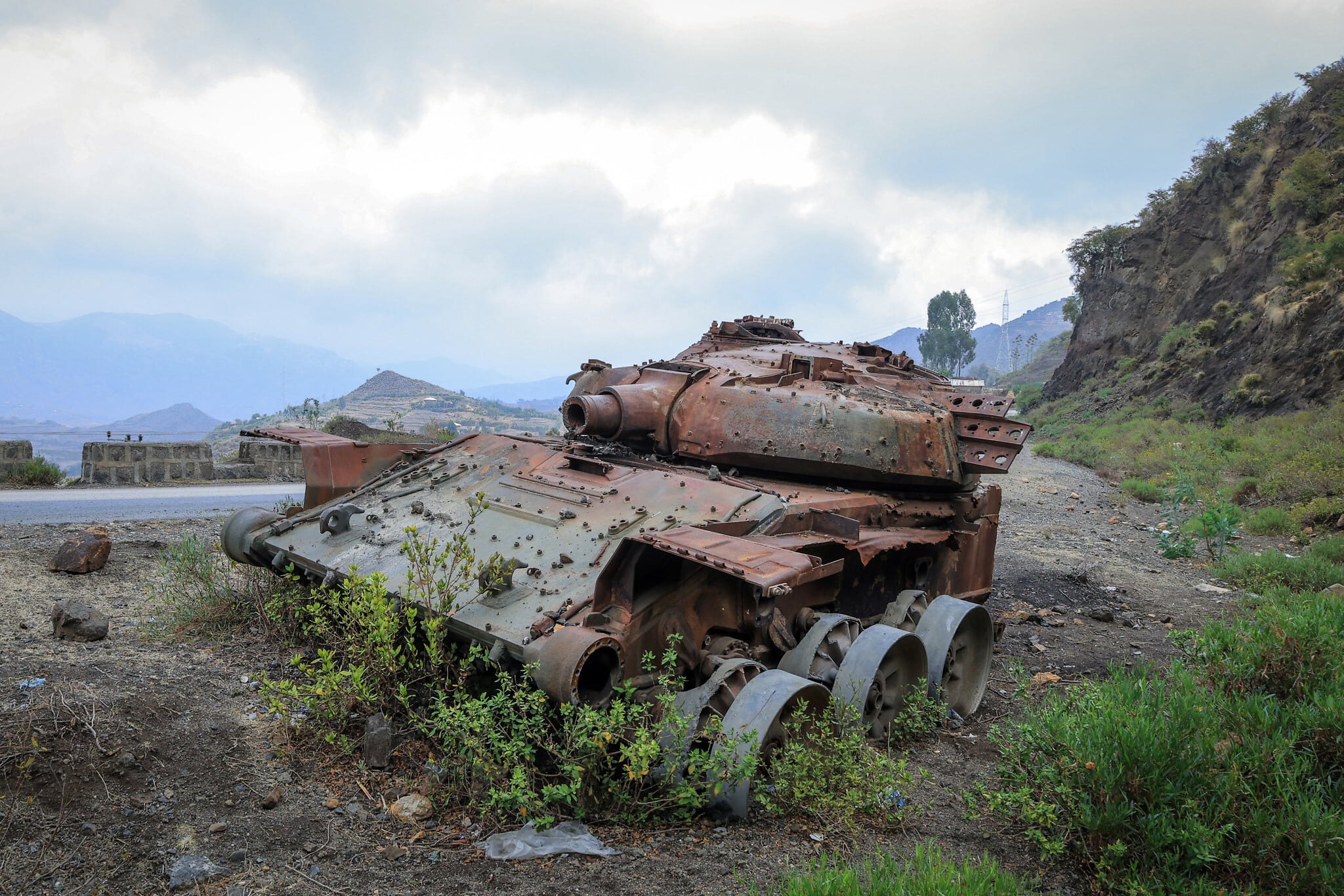
The TPLF ruled the whole of Ethiopia from 1991 to 2018 before being sidelined with Abiy Ahmed Ali’s rise to the prime minister’s post. That eventually triggered a civil war marked by widespread war crimes and sexual violence.
The Pretoria Peace Agreement of 2022, brokered by African institutions and Washington, maintained an uneasy calm until last year. But it was never fully implemented, leaving around one million people unable to return to their homes.
Sporadic clashes then resumed, with the federal forces launching multiple drone strikes in Tigray in recent months and massing troops at the border. Rights groups have accused the TPLF of a campaign of forced recruitment this year as it prepared for renewed conflict.
Help us report truthfully on social media

As a multimedia journalist, my job is to take the quality, fact-based journalism produced by The Times of Israel newsroom and make it accessible across every platform — from Instagram posts to podcasts to short-form videos.
This is how many, especially young people, consume news these days. But misinformation is rampant on social media. Our team at ToI produces accurate, responsible short-form reporting on Israel and the Jewish world.
If you believe in the importance of factual social media journalism, please consider joining our reader support group, The Times of Israel Community. Your financial support is essential to sustain responsible multimedia reporting.
— Gabriella Jacobs, multimedia journalist
Support our work Support our work Already a member? Sign in to stop seeing this
KioskNews shows a cleaned-up reading view extracted from the publisher’s page — the original always lives on their site, not ours.