X-Men Officially Kills Two Founding Heroes, And It Highlights One Massive Marvel Problem

Ambrose Tardive is an editor on ScreenRant's Comics team. Over the past two years, he has developed into the internet's foremost authority on The Far Side. Outside of his work for ScreenRant, Ambrose works as an Adjunct English Instructor.
The X-Men franchise just ended a years-long storyline, and it went out with a bang, not a whimper. A climactic fight scene put a pin in one X-era, or maybe pulled the pin is a better way to put it, while setting the course for the next one. There's a lot to process, including the apparent deaths of two OG X-Men, and a lot to look forward to for X-Men fans heading into 2027, but not everyone is going to be happy with the way Marvel handled things.
For some fans, the franchise's latest big twist is a huge red flag. At the very least, it is an example of Marvel leaning into a creative impulse that leaves many readers frustrated. Is Marvel struggling to give its stories authentic dramatic stakes? Or is it keeping up with the changing landscape of superhero storytelling, and encouraging everyone to keep up too? Those are the critical questions that stem from the final pages of DNX #5, the final issue of Marvel's big X-Men x Fantastic Four crossover.
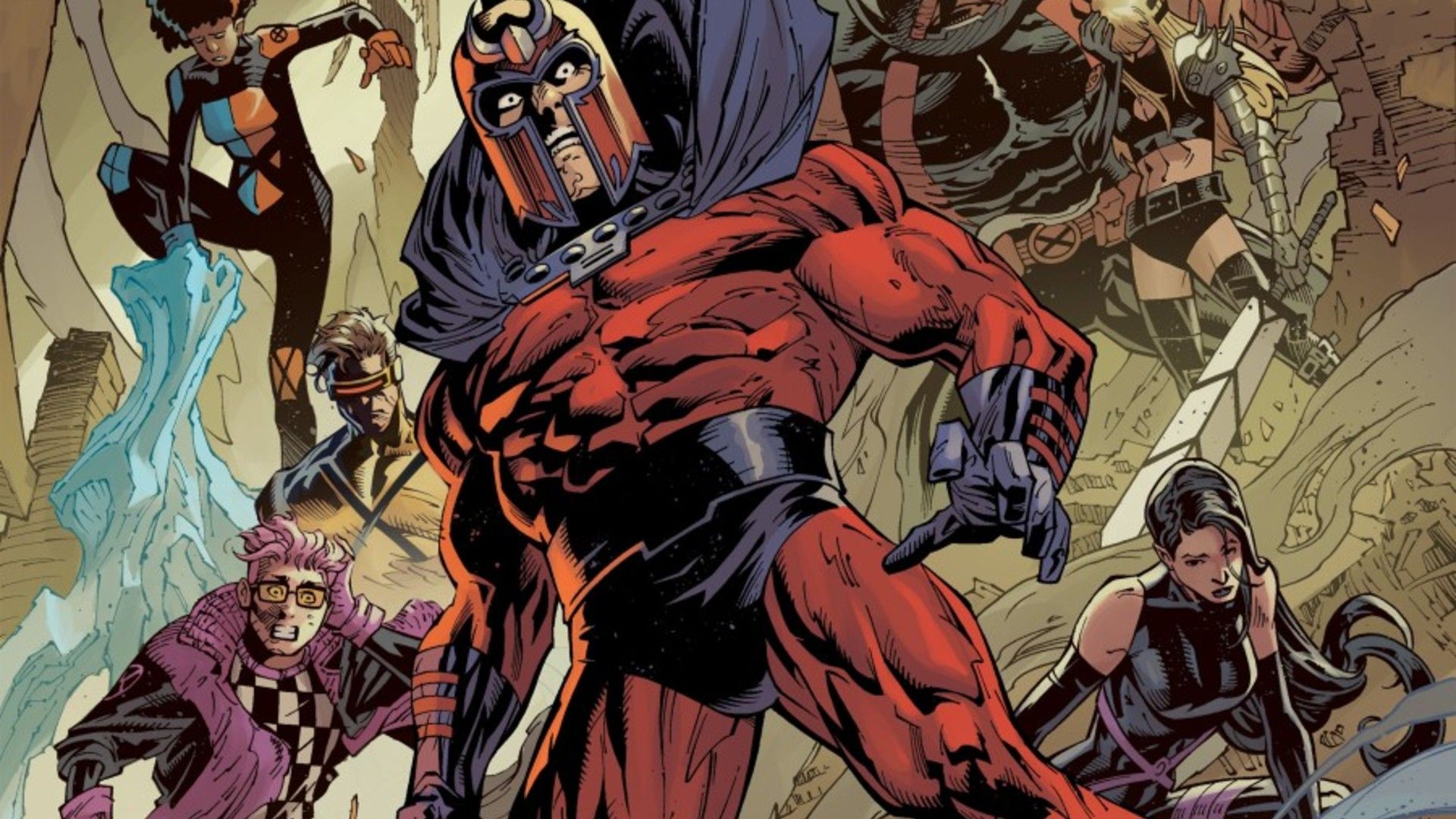
Everything comes down to a fight between Cyclops, the X-Men's longtime leader, who has been straining under the pressure of trying to avoid making the same mistakes as Charles Xavier, and the original version of his teammate Beast, who has become a villain and embraced a warped version of Magneto's mutant supremacy.
Marvel takes a big swing with how the fight between Beast and Cyclops ends. The problem, though, is the follow-through on that swing.
Warning! Spoilers ahead for DNX #5!

Wow, you think as you read the climax of DNX #5. They really did it. They really killed off Cyclops. It is an X-Men comic, so you know the character has died before, and that he will be back. Still, it is always a big decision for Marvel's X-Office to take one of their top mutant heroes off the board for a while. So, good for them, you think, for finding a good endpoint to Scott Summers' story for now. Blowing himself up to take out the corrupted version of his old friend Hank McCoy. A classic heroic sacrifice.
Then you flip the page. There's an advertisement for next month's X-books, and an in memoriam page for Daredevil writer Roger McKenzie, who passed away recently. After that, you're surprised by an epilogue page. This is where it gets divisive. The epilogue reveals that, in fact, Cyclops and the Chairman (evil Beast's current moniker) are alive. "You and I, we have work to do," the Chairman says to Cyclops, waking him up in an undisclosed location.
On the one hand, it is a good hook. The overarching story of Cyclops vs. Chairman Beast isn't over after all. It is just entering a new phase, starting a new "season." At the same time, it is an almost parodically fast walk-back of not one, but two major character deaths. That could be a breaking point for some readers who have already felt frustrated with the X-Men franchise's creative direction over the last several years.
The X-Men Franchise Pulls Back On Its Big Swing By Not Really Killing Cyclops
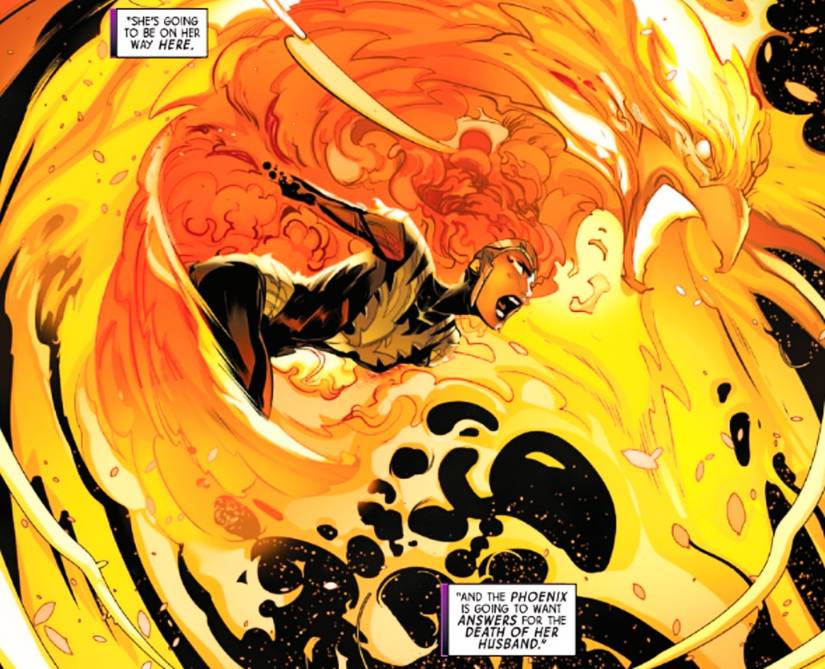
DNX #5 "ends" (before its surprise epilogue) with Jean Grey screaming back to Earth, drawn from her solo mission out in deep space by the psychic disturbance of Cyclops' seeming demise. As the X-Men's current field leader, Psylocke assumes temporary command and tells the team they have to get ready, because Jean is going to be pissed. "The Phoenix is going to want answers for the death of her husband," she says bluntly.
Marvel had already teased that the X-Men would be voting for a new leader to replace Cyclops. Taking the character out of the equation feels like a dramatically rich opportunity for X-Men canon. Yet because Marvel wasted no time revealing Cyclops was still alive, it seems likely that the series will continue to be very much his story, at least in parallel to what is happening with the rest of the team.
So, then the lingering question becomes, how long are the X-Men going to think Cyclops is dead? Again, this isn't a bad story arc in a vacuum. The problem is that it is the latest, most egregious, example of the fact that Marvel has become totally unwilling to kill off major characters, even temporarily.
Marvel Doesn't Have The Patience To Kill Off Major Characters Anymore

Ultimate Iron Man's 2024 death was reversed after one issue. Major deaths at the end of last year's One World Under Doom crossover were swiftly undone. Ultimate Spider-Man's death earlier this year lasted like two whole issues. In the recently wrapped up Avengers: Armageddon event series, which promised a superhero body count, the one alleged hero casualty was revealed to be alive after one issue, in an epilogue akin to DNX #5's big swerve.
It is a noticeable trend. Marvel loves character deaths as cliffhanger moments, but has approximately zero interest in even the illusion of "permanence." It is the full 180-degree turn from when former Marvel Editor-in-Chief Joe Quesada instituted a hard "dead is dead" policy in the early 2000s. The problem isn't that one approach is better than the other, it is that Marvel continues to struggle to find that "Goldilocks zone" between the two.

By and large, the X-Men franchise is telling good stories right now. Better than it often gets credit for. It is worth keeping up with the feud between Cyclops and Chairman Beast, which has become the backbone of main X-Men continuity over the past year. In a way, it is an arc that is too good to end so soon. Yet it is also fair to be critical of the complete lack of chill Marvel has when it comes to these fake-out deaths.
Could the reveal of Cyclops and the Chairman's survival have waited an issue? Three issues? Six? The next year's worth of X-Men plot might, in retrospect, tell readers no, it couldn't. The same goes for whether Marvel could have really gone through with killing the characters off. The job of X-Men now is to prove why fans wouldn't have wanted that.
KioskNews shows a cleaned-up reading view extracted from the publisher’s page — the original always lives on their site, not ours.