A steadier US-China relationship still leaves Southeast Asia on guard
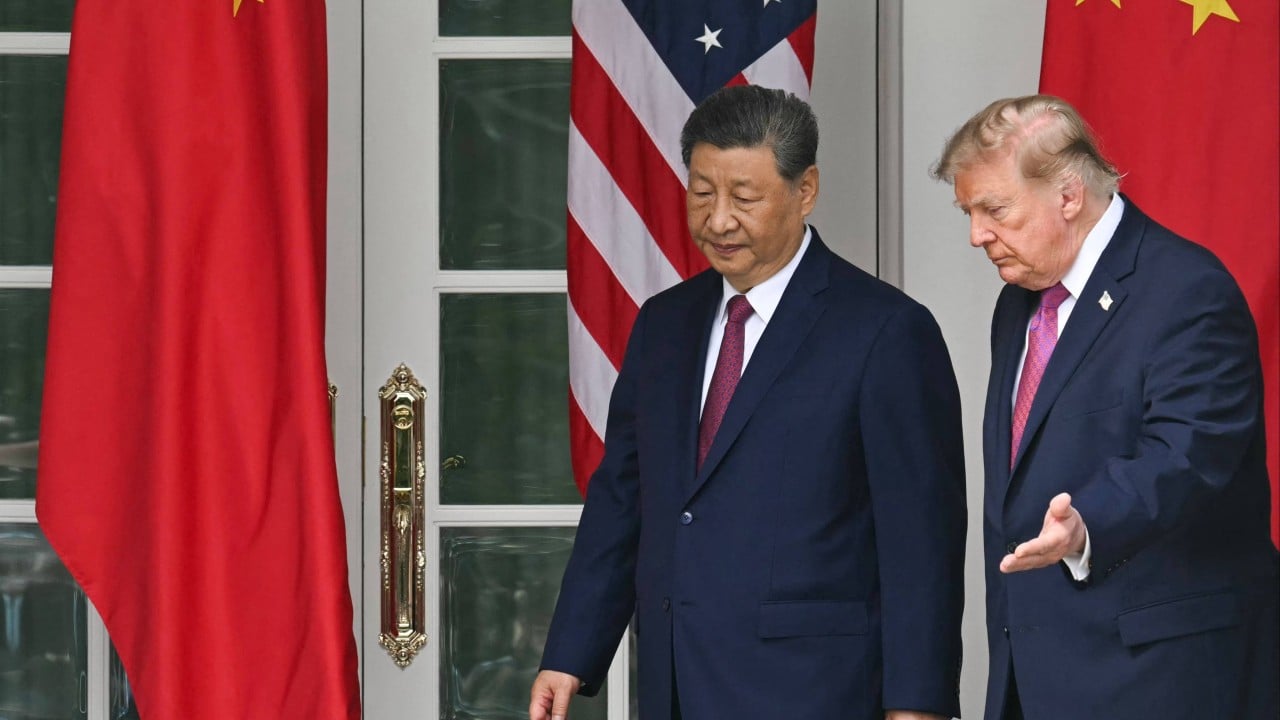
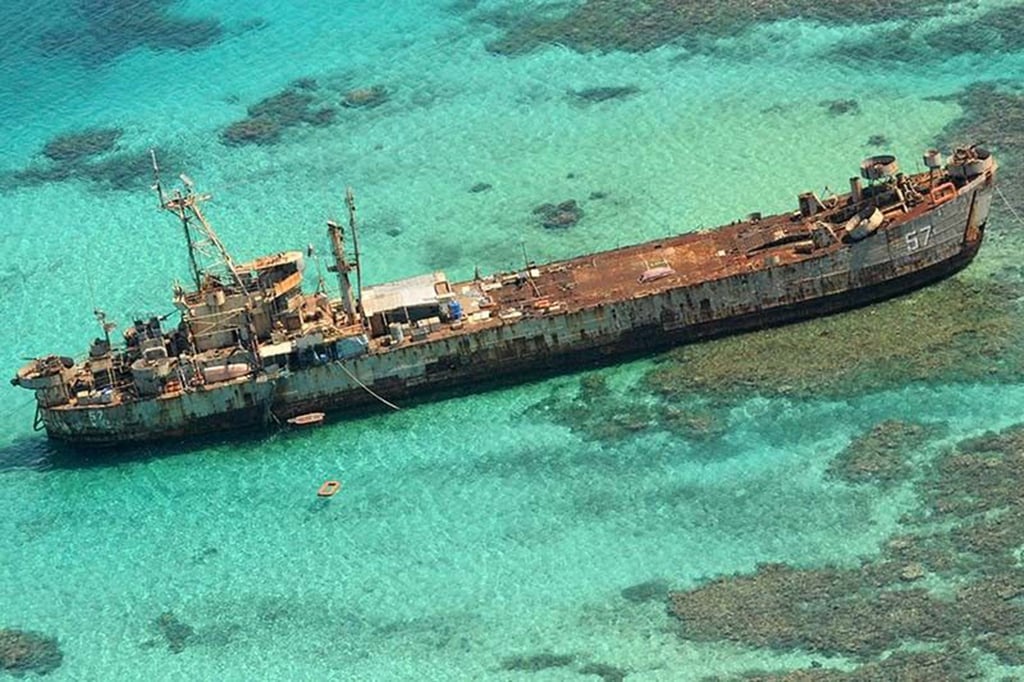
Even as Washington and Beijing seek greater stability in their relationship, tensions involving China and US allies and partners in Southeast Asia can and do persist. On September 24, while Chinese President Xi Jinping was on a state visit to Washington, another incident unfolded around Second Thomas Shoal in the South China Sea, with Manila and Beijing offering different accounts. This captures a broader regional reality: US-China stabilisation may lower some risks but raise others and leave long-standing disputes unrelieved.
The effort to stabilise ties with China is part of a broader US turn towards selective accommodation with major adversaries, mainly through leader-level bargaining. On October 16, US President Donald Trump waived most of the new Russia sanctions under a law he had signed a month earlier. In August, he scaled back joint exercises with South Korea, citing his relationship with Kim Jong-un – and has repeatedly said he is open to meeting Kim again. None of this amounts to a comprehensive settlement or a consistent policy towards Beijing, Moscow and Pyongyang. Rather, it suggests Trump’s willingness to ease pressure on these countries in pursuit of direct engagement with their leaders, and to adjust security arrangements with US allies in the process.
For Southeast Asia, such accommodation may reduce the risk of great power confrontation, but it also increases uncertainty about whether the region’s interests will be adequately factored into bargains struck between Washington and Beijing.
Two variables will shape the outcome: how durable US-China stabilisation proves and how robust Washington’s commitment to the region remains. For now, the likeliest combination is a steadier US-China relationship alongside an America that stays engaged but is increasingly stretched and less predictable.
Steady stabilisation?
There are grounds to expect stability to hold. During Trump’s visit to Beijing in May, Xi set out a new vision of “constructive strategic stability” intended to guide US-China relations. Xi’s September visit to Washington extended the trade truce to January 10, 2027, recommended favourable tariff treatment for US$30 billion of goods in each direction and confirmed plans for two more leader-level meetings before the end of the year.
This has three implications for Southeast Asia.
First, sustained dialogue between Washington and Beijing can reduce the danger of military confrontation and disruptive economic escalation, both long-standing regional concerns.
Second, bilateral bargaining carries a risk of excluding the region. Washington and Beijing may reach understandings that affect Southeast Asian interests while leaving regional governments with little influence over the outcome. So far, the most consequential forms of this have not materialised. Washington has not formally changed its Taiwan policy, nor struck the sweeping US-China trade deal that Southeast Asian exporters feared would leave them at a disadvantage. But the reciprocal tariff cuts recommended after Xi’s September visit would, once implemented, narrow Southeast Asia’s tariff advantage over China in the sectors covered.
Third, stabilisation does not resolve China’s disputes with Southeast Asian states. As the September 24 incident illustrates, a more stable US-China relationship can coexist with continuing tensions in the South China Sea.
American commitment
The second variable is the scope and reliability of US commitment to the region. Here, America’s declared priorities and available resources do not always align. In August, Elbridge Colby, the Pentagon’s undersecretary for policy, said the department remained focused on the first island chain, including the Philippines. Yet, at the time, the redeployment of the USS George Washington to the Middle East left no US carrier strike group west of San Diego.
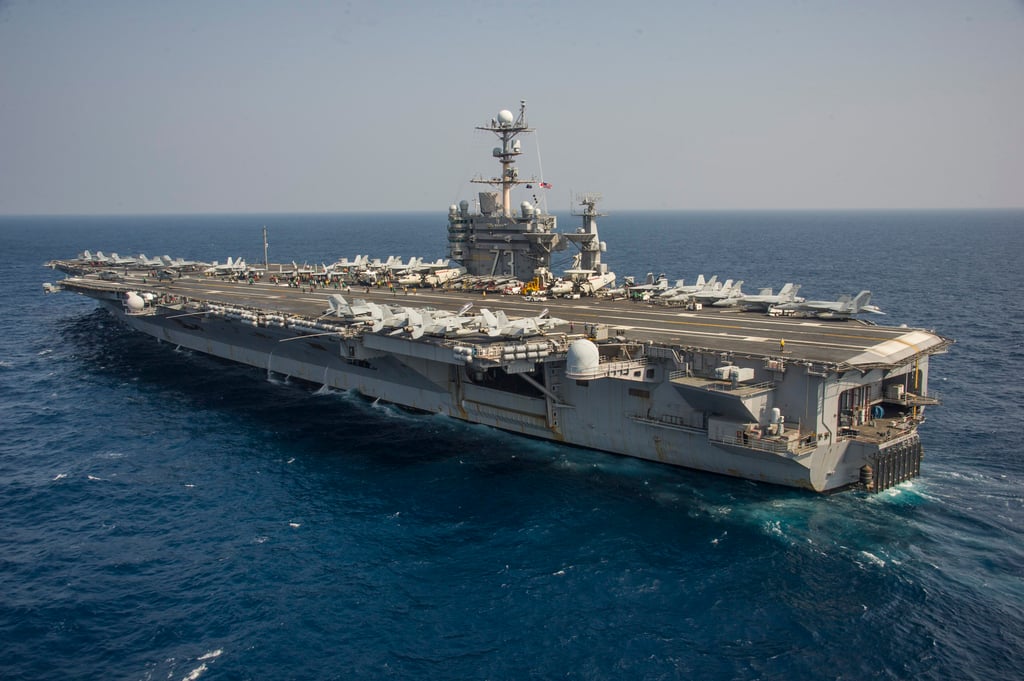
The carrier was expected back by early November, yet remained in the Arabian Sea past the middle of the month until its return to the US Navy’s Seventh Fleet area of operations in the Asia-Pacific was finally confirmed on Wednesday. Washington may name the first island chain as a priority in its National Security Strategy and National Defence Strategy, yet still diverts finite military resources to competing theatres.
Southeast Asian nations will view these developments through different lenses, depending on their vulnerabilities. The latest ISEAS – Yusof Ishak Institute State of Southeast Asia survey, conducted in January-February 2026, captures these underlying concerns. The South China Sea topped Philippine respondents’ geopolitical concerns, with 55 per cent expecting their country’s relations with China to worsen. Singaporean, Thai and Cambodian respondents, meanwhile, ranked economic tensions between major powers as their top regional challenge. US-China stabilisation resolves neither concern.
For Manila, tensions with China have not receded. For economically exposed states, avoiding a US-China trade war is welcome, but less so if tariff relief for China narrows their own tariff advantage and attractiveness as alternative investment destinations. What matters is less stabilisation itself than the terms on which it occurs – and how Washington and Beijing behave under it.
Policy implications
Southeast Asian states are not simply passive recipients of these outcomes. They have widened their room for manoeuvre by diversifying relationships, a preference the region broadly shares: 55.2 per cent of ISEAS survey respondents favoured strengthening Asean resilience and unity in navigating great power rivalry, while only 6.3 per cent thought the region must choose a side. Indonesia, for example, has concluded trade negotiations with the European Union and signed a trade agreement with the US, while conducting military exercises with China, Russia and the US.
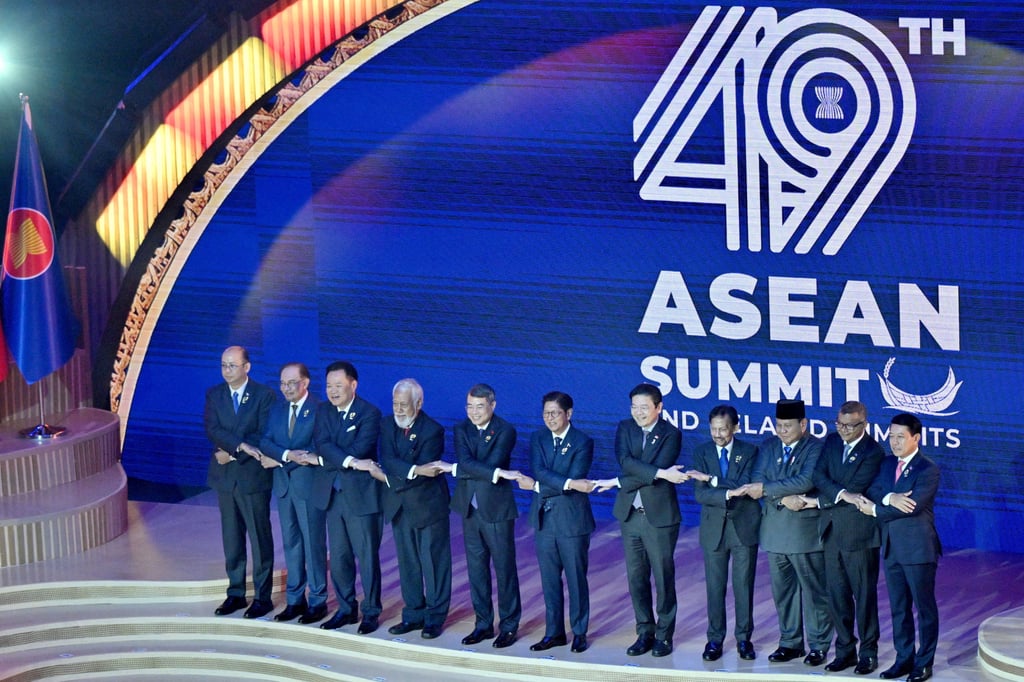
Room for manoeuvre means securing useful commitments from several partners without exclusive alignment. But it matters only if it translates into influence over decisions that affect the region, which requires states to retain their rights and a meaningful role in arrangements affecting their interests. They can press their case bilaterally with major powers and collectively through the Association of Southeast Asian Nations, whose 11 members’ combined voice should carry greater weight. Yet the bilateral ties that broaden a nation’s options can also make Asean cohesion harder to sustain.
SCMP Plus is a new premium news platform that gives you an
all-inclusive edge to stay ahead on China news.
To access our exclusive content you’ll need to subscribe.
Already a subscriber?
LOG IN
The South China Sea code of conduct talks, which have reached provisional agreement on between 85 and 90 per cent of the draft, according to Philippine President Ferdinand Marcos Jnr, will still carry over into 2027 and raise precisely this question: can Asean negotiate meaningful rules with China when its members’ relations with Beijing, Washington and other external powers are increasingly divergent?
US-China stabilisation is preferable to confrontation, but it does not by itself automatically produce security for Southeast Asia. Much will depend on the terms of their accommodation, how both major powers behave towards the region and whether Southeast Asian states can retain meaningful influence over the decisions that affect them.
Sophie Wushuang Yi PhD is a Visiting Fellow at ISEAS – Yusof Ishak Institute and a Postdoctoral Teaching Fellow at the Schwarzman Scholars Program at Tsinghua University. This article was first published on the institute’s commentary website fulcrum.sg.
KioskNews shows a cleaned-up reading view extracted from the publisher’s page — the original always lives on their site, not ours.