HKUST turns a 35-year-old vision into impact for the future of regional innovation
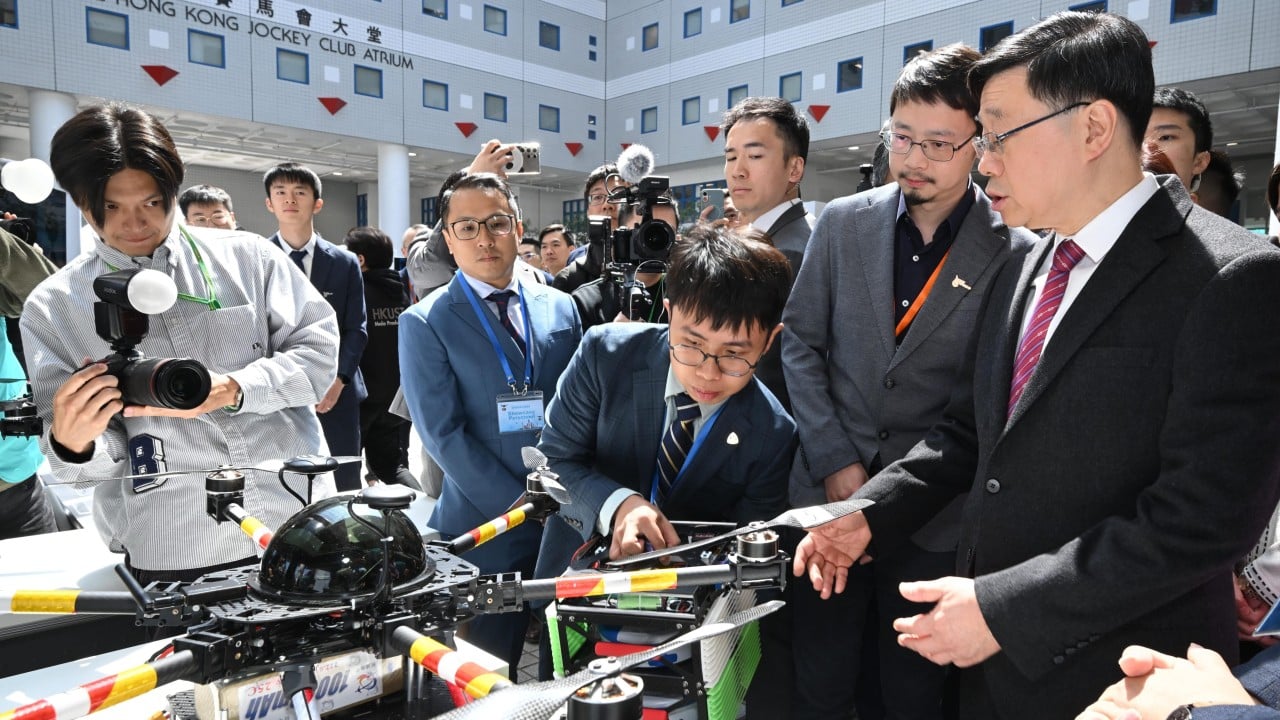
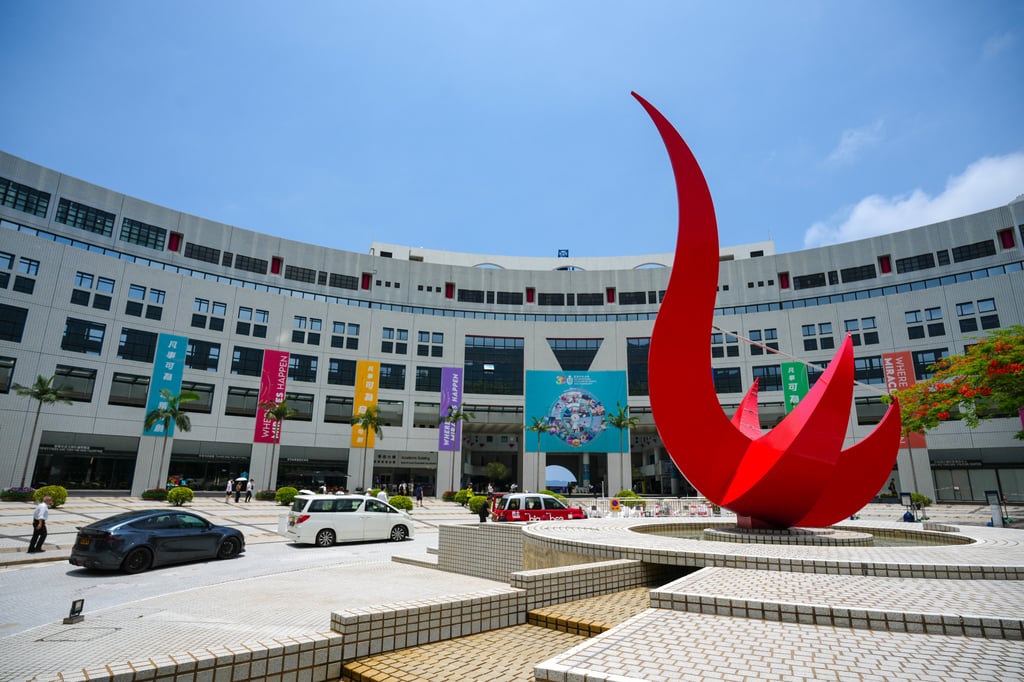
The Hong Kong University of Science and Technology (HKUST) marks its 35th anniversary this year, having established itself as one of Asia’s most highly ranked universities with a reputation built around research excellence, entrepreneurship, innovation and national development. Behind this success is the vision of its founding president, the late Professor Woo Chia-wei.
“He didn’t just want to build a university,” says HKUST president Professor Nancy Ip Yuk-yu. “He envisioned an institution where education, research and innovation come together to create impact for society.”
Woo was also an early advocate of deeper integration between Hong Kong and mainland China, recognising the region’s potential as a hub for talent, research and innovation long before the Greater Bay Area entered public discourse.
HKUST council chairman Professor Harry Shum Heung-yeung says: “The concept of the Greater Bay Area was envisioned by our founding president, Professor Woo. He understood the importance of this area, not only for Hong Kong, but also for the future of the motherland.”
Guided by this vision, HKUST became one of the first Hong Kong universities to establish a research institute in Shenzhen in 1999. Today, that presence has evolved into an innovation network spanning Hong Kong, Shenzhen, Guangzhou, Foshan and Shanghai.
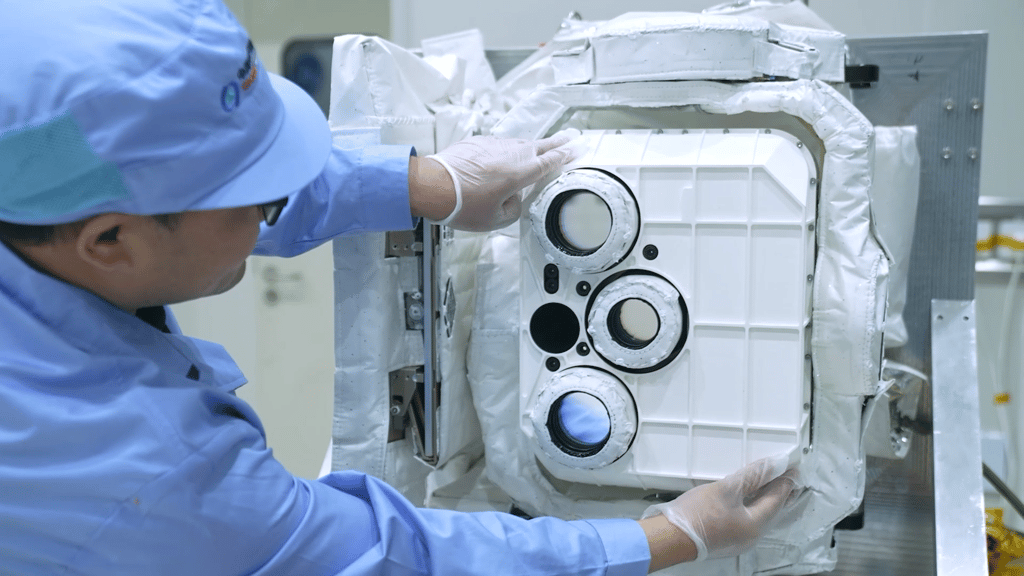
The foundation laid by Woo has enabled HKUST to build one of the region’s most vibrant research and innovation ecosystems. Under government-led initiatives, the university hosts seven InnoHK centres along with three State Key Laboratories to conduct frontier research in artificial intelligence (AI), semiconductors, robotics, renewable energy and biomedicine, with a strong focus on translating discoveries into real-world impact.
HKUST has nurtured an entrepreneurial culture, resulting in its giving birth to more than 2,000 start-ups, including 11 unicorns and 23 successful exits through initial public offerings as well as mergers and acquisitions. Among its most notable examples is drone technology company DJI, founded by HKUST alumnus Frank Wang.

Looking ahead, Shum sees enormous potential in emerging fields such as the low-altitude economy – commercial activities that take place in airspace below 1,000 metres (3,281 feet) – and artificial intelligence. HKUST researchers with years of experience in developing these technologies, in addition to robotics, communications and autonomous systems, are contributing to the Hong Kong government’s low-altitude economy regulatory sandbox programme.
Shum also believes AI’s greatest promise lies in accelerating scientific discovery, transforming fields ranging from mathematics and materials science to drug development.
As it enters its next chapter, HKUST sees the Northern Metropolis, and particularly the development’s future San Tin University Town, as a natural extension of the institution’s founding mission. The megaproject across northern Hong Kong is designed to create housing, jobs and tech-driven growth alongside cross-border links with Shenzhen.
Central to this vision is the proposed establishment of Hong Kong’s third medical school. Ip believes the facility will offer an opportunity to pioneer a new model of medical education that draws on HKUST’s unique strengths in science, engineering, artificial intelligence and entrepreneurship.
“We envision a ‘closed-loop’ ecosystem where clinicians identify challenges at the bedside and work closely with scientists, engineers and industry partners to develop solutions. These innovations can then be brought back into the clinical setting to benefit patients,” she says.
She believes the Northern Metropolis can become a dynamic convergence point for talent, research, industry and healthcare innovation. “By integrating medicine, technology and entrepreneurship, we hope to nurture a new generation of clinician-scientists and innovators, while contributing to Hong Kong’s development as an international hub for medical and health innovation.”
Thirty-five years after its founding, HKUST remains guided by the vision that inspired its creation: advancing knowledge, nurturing talent and translating discovery into impact.
KioskNews shows a cleaned-up reading view extracted from the publisher’s page — the original always lives on their site, not ours.