The 10 Most Hopeless TV Shows of All Time, Ranked

Jeremy has more than 2800 published articles on Collider to his name, and has been writing for the site since February 2022. He's an omnivore when it comes to his movie-watching diet, so will gladly watch and write about almost anything, from old Godzilla films to gangster flicks to samurai movies to classic musicals to the French New Wave to the MCU... well, maybe not the Disney+ shows.
His favorite directors include Martin Scorsese, Sergio Leone, Akira Kurosawa, Quentin Tarantino, Werner Herzog, John Woo, Bob Fosse, Fritz Lang, Guillermo del Toro, and Yoji Yamada. He's also very proud of the fact that he's seen every single Nicolas Cage movie released before 2022, even though doing so often felt like a tremendous waste of time. He's plagued by the question of whether or not The Room is genuinely terrible or some kind of accidental masterpiece, and has been for more than 12 years (and a similar number of viewings).
When he's not writing lists - and the occasional feature article - for Collider, he also likes to upload film reviews to his Letterboxd profile (username: Jeremy Urquhart) and Instagram account.
He has achieved his 2025 goal of reading all 13,467 novels written by Stephen King, and plans to spend the next year or two getting through the author's 82,756 short stories and 105,433 novellas.
Sign in to your Collider account
The concept of a comfort show is a pretty widely-known one, and it does feel safe to say that comfort shows are probably more popular – again, as a concept – than comfort movies, books, or albums. That can come down to certain TV shows being easy to watch at one’s own pace, be it binging or doing one episode at a time, and because TV shows that run for seasons can have characters who you come to feel like you know incredibly well.
Not all shows go for light or breezy entertainment, though, because some of the best TV shows of all time are pretty downbeat. The following fit into Camp Downbeat, as they can all count themselves among the most hopeless shows in television history (and, to keep things interesting, there will be some comedy and/or dramedy shows here alongside the more expected TV dramas).
10 '24' (2001–2014)
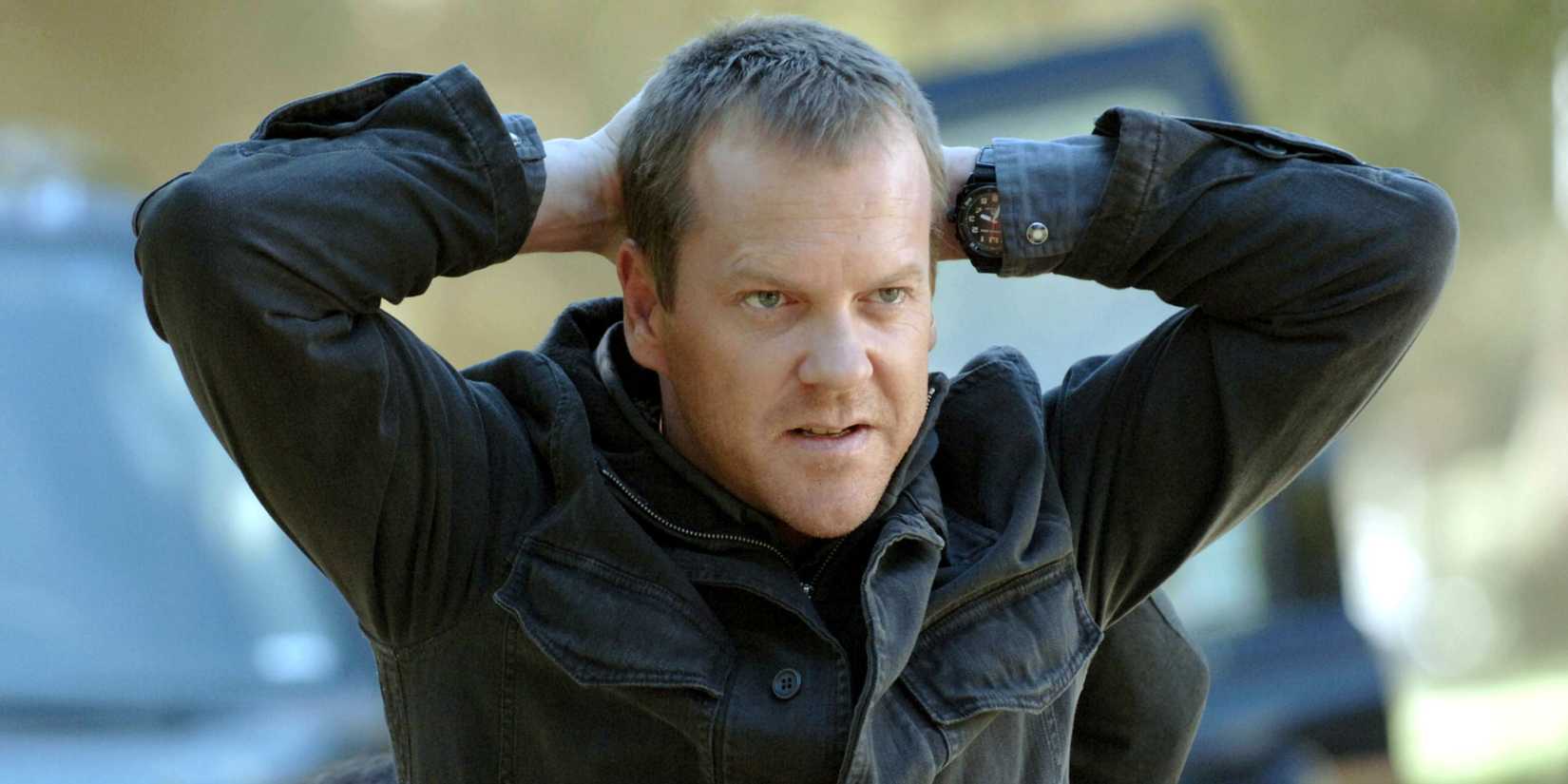
24, for better or worse, might well have been the show for the first decade of the 21st century, tackling a very specific kind of paranoia and unease that was there throughout the 2000s, and then for a bit beyond the decade, too. It’s a show about terrorism and doing dramatic and morally questionable things for the purpose (at least on the surface) of stopping further destruction and death.
Whether you think 24 is for what its main character does, or against, or a bit of both, or believe it depends on the season, well, that’s up to you. It remains a somewhat challenging show in any event, and it really, really pushes things in terms of how willing it is to have situations where the good guys either lose outright or lose a lot in achieving what they need to every season (or every day, really, since the first eight seasons of 24 all cover 24 hours in real time).
9 'Angel' (1999–2004)

There were plenty of downbeat episodes found throughout Buffy the Vampire Slayer for sure, but it was the spin-off show, Angel, that proved consistently darker overall. The characters had their flaws in Buffy the Vampire Slayer, though not to the same extent as the main characters in Angel, especially by the time the final season comes around and they sort of (albeit not entirely) become their own enemy. Kind of. If you know, you know.
Angel gets down and dirty (and sometimes very intense) with its look at the struggles of actual adulthood, dealing with heavier themes about existence and meaning, all the while featuring dicier moral challenges.
People die in Buffy the Vampire Slayer, but more people die in Angel, and it’s also a lonelier show for its protagonist, because he’s the only character who appears in every single episode. Buffy the Vampire Slayer is also about high school and early adulthood, while Angel gets down and dirty (and sometimes very intense) with its look at the struggles of actual adulthood, dealing with heavier themes about existence and meaning, all the while featuring dicier moral challenges and more frequent deaths.
8 'Succession' (2018–2023)

Much of the comedy in Succession (and it is a dramedy, so there is a ton of humor) comes from laughing at very wealthy and clueless people making fools of themselves in various situations. But then at the same time, some things are played for drama, and certain very flawed characters are sympathetic at times, and sometimes even outright tragic at other points.
Also, there’s an additional sense of hopelessness throughout Succession through the way it very rarely shows lasting consequences for the most powerful of characters, with Logan Roy especially bouncing back time and again because he just has that much money, power, and influence. Also, the way Succession sometimes takes the time to show how the actions of the rich in this show negatively impact the lesser-seen poorer (and less powerful) characters makes it further devastating and downbeat on occasion, too.
7 'Peep Show' (2003–2015)

Honorable mentions should go out to Seinfeld and It’s Always Sunny in Philadelphia, because they're definitely dark as far as sitcoms go, and they're cynical for sure, but the misery found in Peep Show puts it over the edge, and makes it feel more hopeless. There are also dramedies that might be a little heavier than Peep Show, but if you get some sense of things being improvable, then they're technically more hopeful (see, arguably, BoJack Horseman).
But with Peep Show, it feels like the two main characters are in purgatory pretty much the whole time, and the whole time is a long time, seeing as there were a total of nine seasons of Peep Show. Everything gets worse over time, and that’s to say nothing of how many dark, miserable, and nightmarish situations the characters get in on an episode-by-episode basis (they often – but not always – do it to themselves, for what that’s worth).
6 'Berserk' (1997–1998)
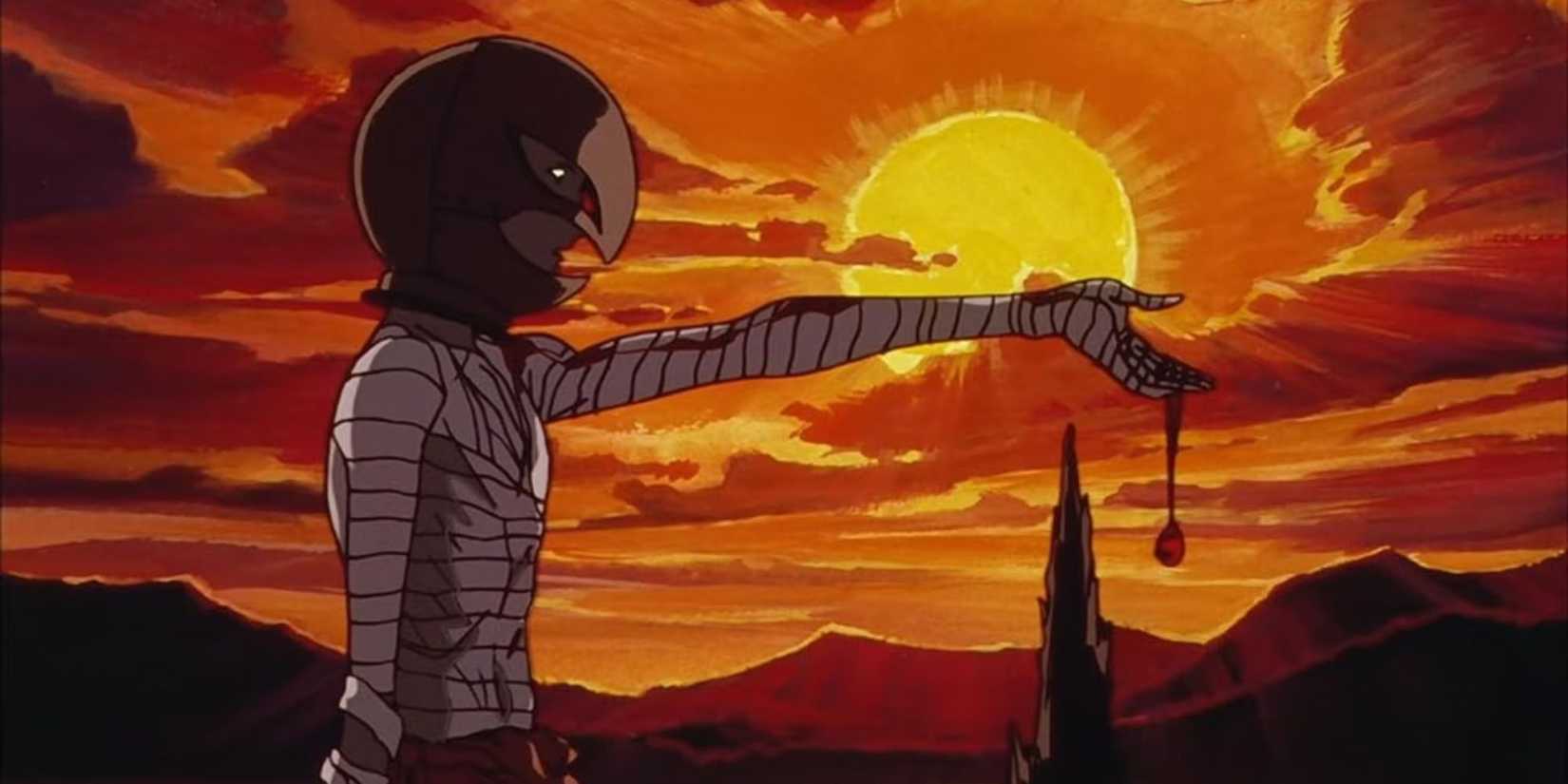
It’s mostly worth putting the original anime series of Berserk here because of the way it ends, or maybe, more accurately, the way it doesn’t end. Before the infamous final arc, it’s definitely dark fantasy with an emphasis on the “dark,” not shying away from violence and depicting a very cruel world that the heroes have to traverse, but then things get kicked up (or down?) a whole other level in the final few episodes.
The manga did go on beyond what this anime series showed, but technically, this version of Berserk ends with an absolute bloodbath, and no sense of how things could ever get better (even if they did to some extent, in the manga). It would be like if the Marvel Cinematic Universe had chosen to end things with the ending of Avengers: Infinity War, rather than pushing forward and ultimately giving the heroes a way to mend (most) things in Avengers: Endgame.
5 'Breaking Bad' (2008–2013)

Breaking Bad wasn’t shy about presenting itself as a tragedy right out of the gate, though it remained interested less so for seeing what would happen, and more because you'd want to see how it would happen, and in what order… and who might be spared, if anyone. Walt’s diagnosed with cancer early on, and that motivates him to go into the meth-cooking business for his family, so they can survive when he’s gone and no longer earning money.
Or that’s what he says at first, but Walt’s a bit more interesting a character, to the point where calling him an antihero (even just a little heroic) like so many other protagonists of the 2000s feels a bit misleading. But even if his fate’s a sure thing, there are other more sympathetic characters in Breaking Bad who find their lives thrown into chaos, and the collateral damage from Walt’s drug-making (and later power trip) ends up being immense.
4 'Game of Thrones' (2011–2019)

There’s a lot to be said about the final season or so of Game of Thrones, and the way it did all end a bit safely, in some regards. There were grim and violent things throughout the show, sure, but it did feel like it was going for a bit more of a crowd-pleasing thing nearer to the end, seemingly with the intention of giving the people what they wanted, but the execution left a lot to be desired.
So, with Game of Thrones, the show was at its best earlier in its run, and also, those earlier seasons are more responsible for giving it a reputation for being one of the most hectic and confronting TV shows of all time. Many of the surprises weren't surprises if you'd read the books in the A Song of Ice and Fire series, though the show did find ways to make alarming chapters there even more shocking on screen (like how the TV show version of the Red Wedding is a bit more full-on than what was originally written).
3 'The Wire' (2002–2008)

The main takeaway of The Wire is that most systems don’t really work, and also that most systems have people who are willing to use them for selfish reasons, and that’s part of the reason they don’t really work. Each season adds some kind of system or institution within Baltimore that gets explored, and sure, some people are shown trying to do the right thing in some of these systems, but that only goes so far.
Depending on where a character operates, they might well be unlikely to survive until the end of the series, and then there are other unfortunate fates in the series for those who find themselves somewhere without stakes of a life-or-death nature. A few people in The Wire get happy endings, but that might just be because there are so many characters by the show’s end, and it would feel weird if they all ended up somewhere awful. But just as life often feels heavy on misery and things being wasted, so too do you get a lot of that throughout The Wire.
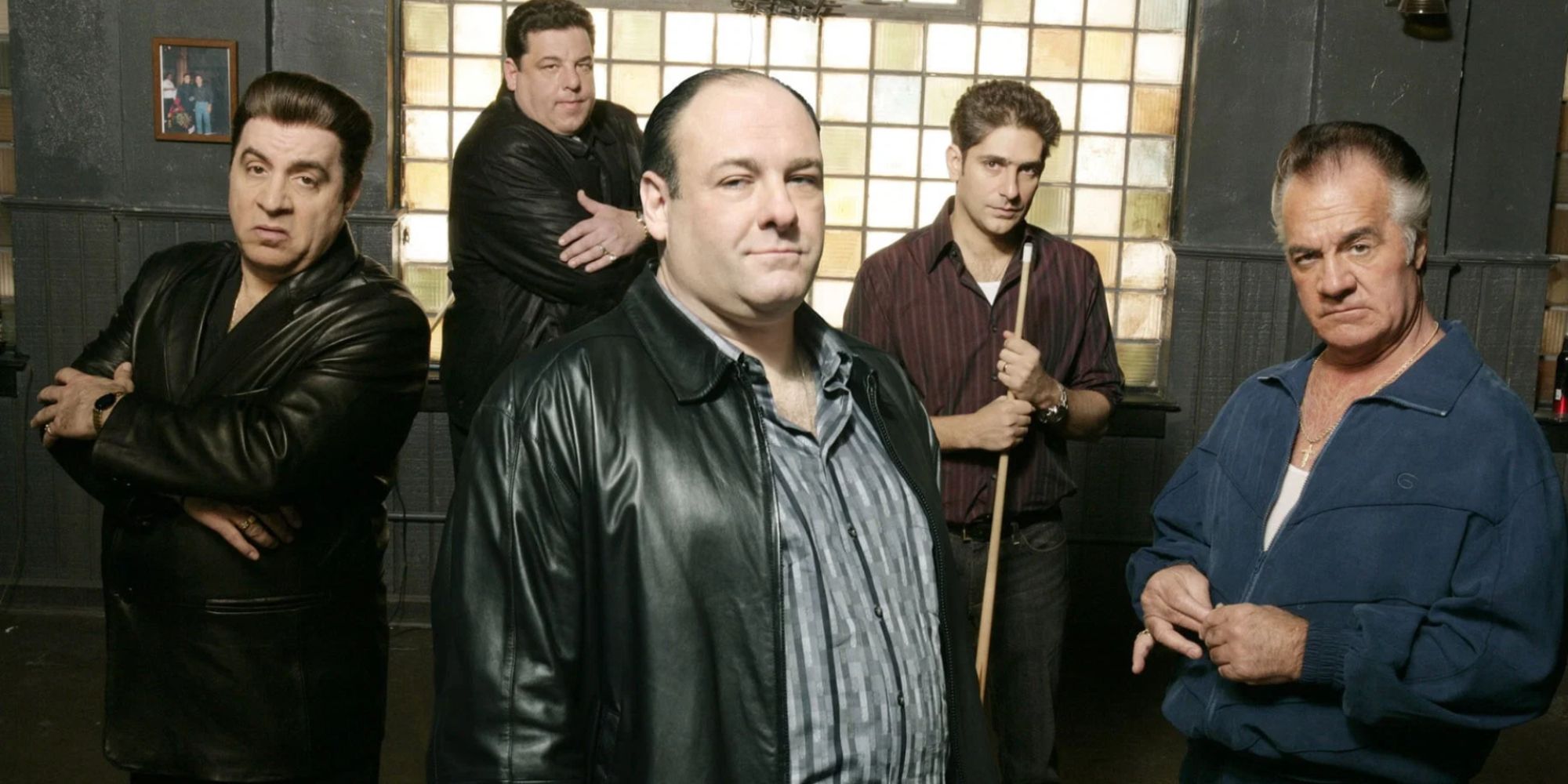
2 'The Sopranos' (1999–2007)
Breaking down The Sopranos in a similar way to that simple breakdown of The Wire, The Sopranos can be looked at as a show about a whole bunch of people being unwilling or unable to change. And then if so many people aren’t able to, you might be able to take another leap and be like, “Well, hang on… does human nature just function that way, and make serious change pretty much impossible?”
Then you’ve also got all the violent crime and death here, throughout The Sopranos, with minor and major characters alike succumbing to all sorts of demises, be they explosive and premature or somewhat mundane (this show isn't shy about tackling real-life, mundane death and misery). It’s a deeply cynical show, but there are still valuable lessons here if you want to go digging, and the show’s also pretty frequently funny, which mitigates all the very intense drama to at least some extent.
1 'Oz' (1997–2003)

Two years before The Sopranos, Oz broke ground for being an especially gritty, violent, and overall miserable TV show that honestly made a good many R-rated movies of the same era look tame in comparison. It probably wasn’t until Game of Thrones that an HBO show ended up being truly more violent than Oz, and even then, there’s an extra sense of unease and grit to the violence in Oz, since Game of Thrones does have those fantasy elements that create a bit of distance between the images on screen and the viewer.
With Oz, it does kind of feel like you're just watching a bunch of people trying (and, more often than not, failing) to survive life inside a maximum-security prison. Some of the impact is lessened later on, after Oz does a few things that could be considered shark-jumpy in nature, though for the most part, this is about as tense, deadly, uncompromising, cynical, and hope-free as TV has ever gotten.
KioskNews shows a cleaned-up reading view extracted from the publisher’s page — the original always lives on their site, not ours.