Building a giant cockroach and burning it
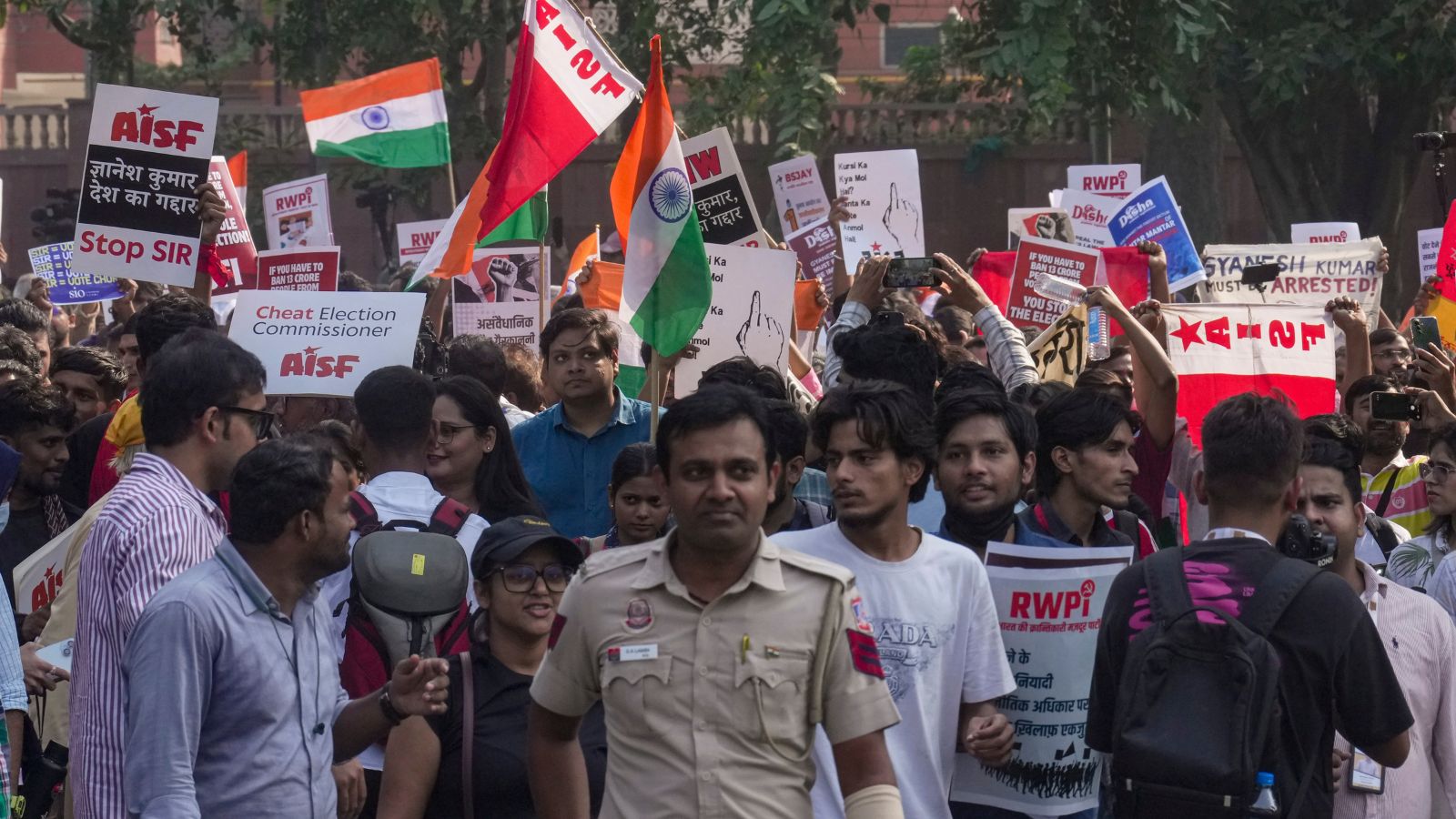
One agitation, of course, does not guarantee an Opposition revival. Even then, for the BJP, the prospect of a more assertive Congress finding common ground with a youthled movement should be a source of concern
The question, then, is not simply whether India will follow its neighbours down the same path. It is whether those in power are reading the warning signs. (PTI Photo)
Written by: Raju Santhanam
4 min readOct 24, 2026 06:47 AM IST First published on: Oct 24, 2026 at 06:47 AM IST
In the last four years, powerful leaderships in Sri Lanka, Bangladesh and Nepal have collapsed. They appeared secure until public anger overwhelmed their defences. Protests that had been building for months suddenly became an irresistible force. The common thread was not merely intelligence failure. It was a failure of political judgement: Leaders became so insulated from reality that they mistook the absence of visible resistance for public consent.
The Cockroach Janta Party’s (CJP) rise in India offers an intriguing parallel. What began as online satire following controversial remarks comparing unemployed youth to cockroaches became a rallying point for anger over unemployment and the NEET-UG examination controversy. Unlike the Navnirman Andolan of 1973-74, which spread through campuses, pamphlets and street protests in Gujarat, the CJP built an audience online before taking its agitation to the streets. The Navnirman Yuvak Samiti brought together student leaders such as Manishi Jani and Anupam Mankad. Narendra Modi, then an RSS organiser, served as general secretary of the Gujarat Lok Sangharsh Samiti, which worked alongside the Navnirman protesters. The movement forced Gujarat chief minister Chimanbhai Patel to resign and contributed to the wider anti-Emergency political mobilisation associated with Jayaprakash Narayan. Although the two movements emerged in different political contexts, the CJP appears to be a political echo of that mobilisation.
Its agitation at Jantar Mantar turned digital discontent into a political challenge. On July 25, Union education minister Dharmendra Pradhan resigned. The movement claimed victory, although the resignation alone does not establish that every demand had been met.
The political response matters just as much as the protest itself. Police action at Jantar Mantar, reports of detentions, the decision to withdraw Jantar Mantar’s designation as a protest site and allegations of intimidation have raised questions about how dissent is being handled.
Before the CJP emerged, the Opposition was struggling after defeats in West Bengal and Tamil Nadu. The TMC lost West Bengal after 15 years in power, while the DMK was swept out of office in Tamil Nadu by Vijay’s TVK. The CJP has since given a dormant Opposition political momentum by bringing public anger onto the streets and onto the political agenda. Two issues resonate widely: Alleged NEET-UG paper leaks affecting 22 lakh candidates, and fears over voter deletions during the Special Intensive Revision. The two are different issues. But they strike a nerve: Young people’s aspirations and citizens’ democratic rights.
When fear recedes and public anger finds a collective voice, authority can unravel faster than expected. Winning back public confidence may then prove far harder than losing it. India’s young electorate is substantial, though its size alone tells us nothing about how its members will vote.
One agitation, of course, does not guarantee an Opposition revival. Even then, for the BJP, the prospect of a more assertive Congress finding common ground with a youth-led movement should be a source of concern. Much will depend on how the leadership responds to the issues that matter to young people.
The question, then, is not simply whether India will follow its neighbours down the same path. It is whether those in power are reading the warning signs.
The burning of a giant cockroach at an event in Delhi is being presented as a symbolic victory of good over evil — a spectacle designed to energise a party’s youth constituency, which appears to be running out of steam. The symbolism carries an unintended irony. Why build an “evil” cockroach 30 feet high and 12 feet wide, only to burn it? The spectacle may be intended to demonstrate confidence, but it also draws attention to how much space the CJP has come to occupy in the ruling party’s imagination.
KioskNews shows a cleaned-up reading view extracted from the publisher’s page — the original always lives on their site, not ours.