Samsung eyes $80B quarterly profit as memory buyers pay the price
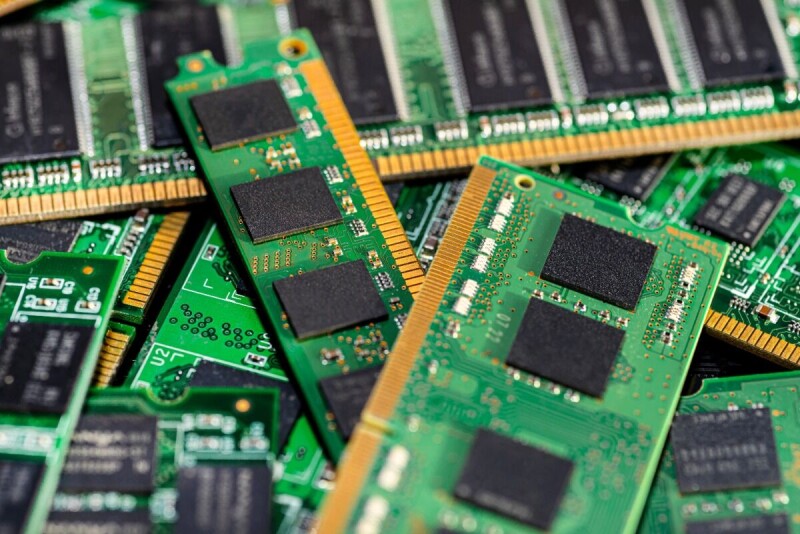
AI demand fattens chipmakers' margins while cheaper PCs and phones become harder to produce profitably
Samsung Electronics expects third-quarter revenue to more than double and operating profit to reach nearly nine times last year's level as the AI infrastructure boom fuels demand for memory.
The South Korean company is among the major memory manufacturers benefiting from demand for chips used in datacenter servers and GPUs.
Although Samsung will not report its full earnings until the end of this month, its guidance puts sales at between ₩194 trillion and ₩196 trillion (about $145 billion) for the quarter ended September 30, 2026. This is more than double the ₩86.1 trillion ($63 billion) for the same period last year.
REG AD
The company expects operating profit of between ₩107.3 trillion and ₩107.5 trillion (about $80 billion), compared with just ₩12.2 trillion ($9 billion) for Q3 2025, roughly 8.8 times last year's figure.
REG AD
Samsung's brief guidance note does not break down performance by business division. Demand for memory, including high-bandwidth memory (HBM) used alongside AI processors, is likely to be a major contributor.
The demand for DRAM and NAND for AI applications is driving profits across the semiconductor industry. Analyst Gartner forecast that the sector as a whole will bring in $1.6 trillion during 2026, almost double the revenue seen in 2025.
Rival chipmaker Micron posted similar gains last week, and the other Korean memory giant, SK hynix, will likely have the same story to tell when it discloses its own quarterly figures later this month.
The boom is proving costly for buyers of everyday electronics. Memory manufacturers' shift towards more lucrative AI products is squeezing supplies for PCs, smartphones, and other devices, driving up component prices.
As The Register previously reported, rising component costs are pricing budget PCs out of the market. US sales in that bracket fell 18.7 percent year-on-year in the first quarter, while average PC selling prices were forecast to rise by up to 12 percent by December. Smartphone makers face similar pressures, with budget devices becoming increasingly difficult to produce profitably.
Samsung warned earlier this year that it expected the memory supply crunch to deepen in 2027 and potentially persist through 2028, leaving buyers with little to smile about. ®
KioskNews shows a cleaned-up reading view extracted from the publisher’s page — the original always lives on their site, not ours.