How competition between Chinese and Indian firms could reshape Africa’s drug markets
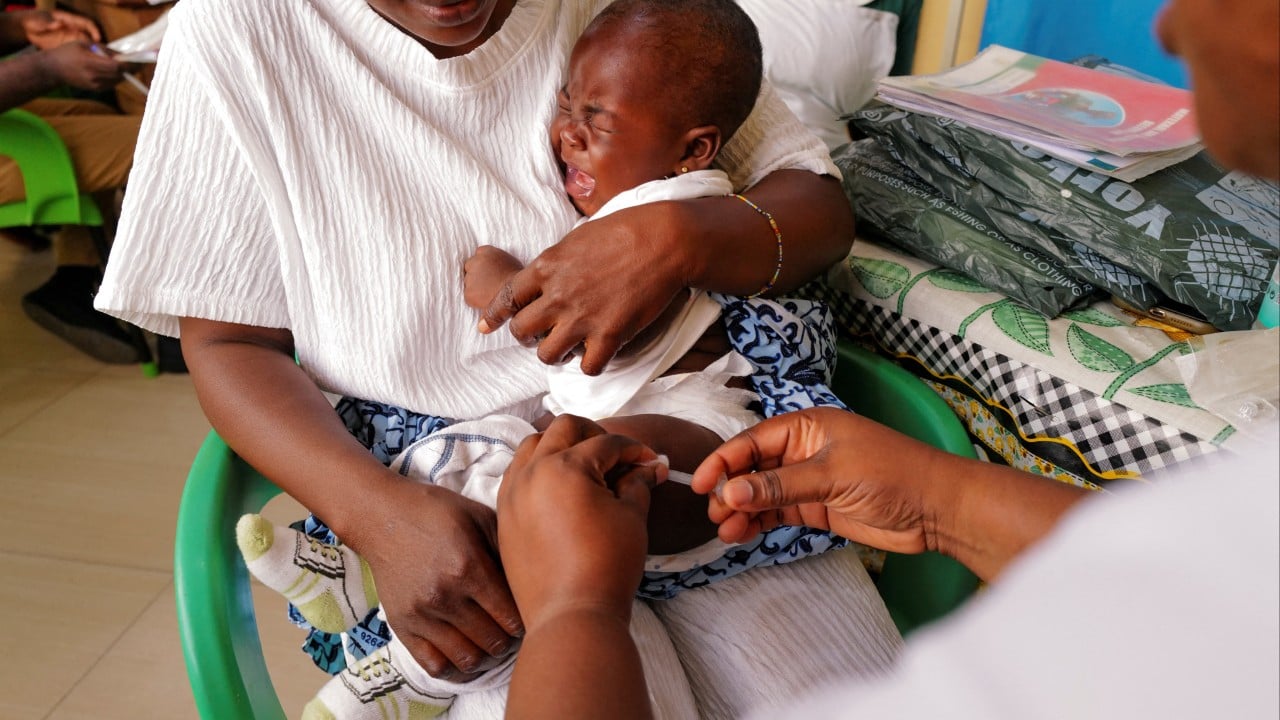
China is challenging India’s long-held dominance of the African market for antimalarial drugs in 12 of the continent’s hardest-hit countries, according to a new study.
Last year, Chinese exports of antimalarial drugs reached US$89.3 million, nearly matching India’s US$89.6 million, according to Indian market research company Sol Gravitas.
The gap has closed significantly since 2021, when Indian exports stood at US$121 million compared with US$62.6 million for China.
Separately, the study examined Global Fund purchases for the same 12 countries plus Kenya between 2021 and 2025.
The fund, a major international backer of malaria programmes, bought injectable artesunate for severe malaria and blister packs for seasonal prevention, most of which were made in Chinese factories.
The shift could help reshape supply security for countries with some of the world’s highest rates of malaria by offering a greater choice of providers, while more competition may help bring down prices.
But it might also raise questions about product dependence and the future of local antimalarial research and development as Chinese and Indian firms compete on price.
China’s growing share of Africa’s antimalarial market reflects its pharmaceutical manufacturing strength, competitive prices and increasing ability to make medicines that meet international standards, according to Shenglan Tang, a professor of Global Health and Medicine at Duke University.
He also said China had a particular advantage in medicines based on artemisinin, a plant-based drug that was discovered by Chinese scientists.
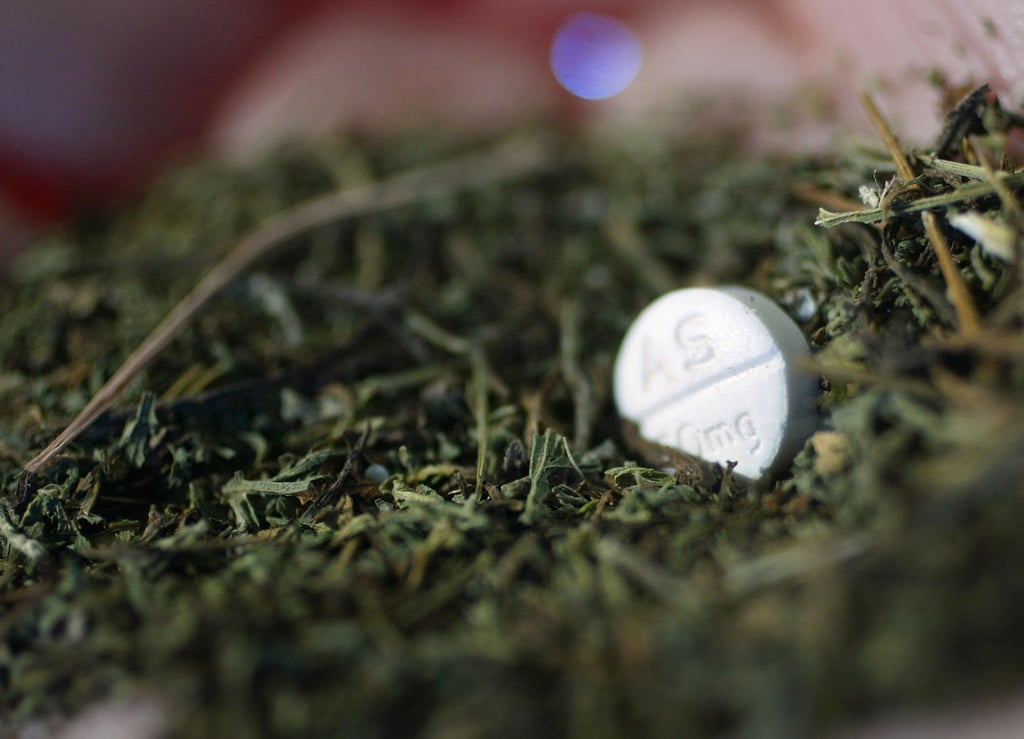
Tang also pointed to the country’s investment in its pharmaceutical industry, saying companies had gone beyond producing active pharmaceutical ingredients (APIs) – the substances that produce a medicine’s therapeutic effect – to making the finished product.
That had strengthened their ability to compete for contracts from major global health buyers, including the Global Fund and Unicef, he said.
But Tang cautioned against reading China’s gains as a sign that it was overtaking India in the broader market for affordable medicines.
He said the latter was still a major supplier of generic medicines and vaccines, with established manufacturing capacity, international regulatory experience and extensive distribution networks.
Looking beyond the US dollar value of the drugs exported, India was still ahead when it came to cargo weight shipped last year, according to the Sol Gravitas analysis, accounting for 54.5 per cent of the combined weight shipped to the 12 markets.
Last year, China exported more antimalarial medicines by value to Nigeria, the Democratic Republic of Congo, Uganda, Mali, Burkina Faso and Niger. Meanwhile, India led in Ethiopia, Mozambique, Angola, Tanzania, Ivory Coast and Madagascar.
But the analysis identified where the Global Fund medicines were made rather than where they were shipped from and the importing countries’ customs records showed a smaller shift than the exporters’ records.
In eight countries with complete import records for 2022-2025, India’s share of imports from the two suppliers fell from 71.5 per cent to 64.2 per cent.
Of the US$442.7 million in deliveries examined, 45.6 per cent by value was made in China – all by Guilin Pharmaceutical, which its parent company Fosun Pharma describes as China’s largest producer of artemisinin-based antimalarials.
The analysis also found that Chinese factories made most of the SPAQ co-blisters used for seasonal malaria prevention, most of the injectable artesunate used to treat severe malaria and all of the dihydroartemisinin–piperaquine.
However, Indian factories made at least half of the artemether-lumefantrine purchased – a drug used to treat acute malaria and the largest category of medicines covered by the study.
Prashant Yadav, a senior fellow for global health at the Council on Foreign Relations, said the study only covered Global Fund-financed purchases, not medicines bought by governments, other donors or private patients.
“Where a particular medicine is supplied by one company or country, it may appear in aggregate that competition in antimalarials is increasing, but in reality it may be just dominance in specific products,” Yadav added.
Yanzhong Huang, a professor and director of global health studies at Seton Hall University’s School of Diplomacy and International Relations, said stronger competition could affect both prices and supply.
“I think stronger India–China competition is likely to lower prices for quality-assured antimalarials, improving affordability in Africa,” Huang said.
Buying from both countries could also make supplies more reliable, he added, although reliance on a small number of pre-qualified manufacturers remained a risk.
But he also warned that India’s dependence on Chinese artemisinin APIs could limit the supply-security benefit of buying finished medicines from both countries.
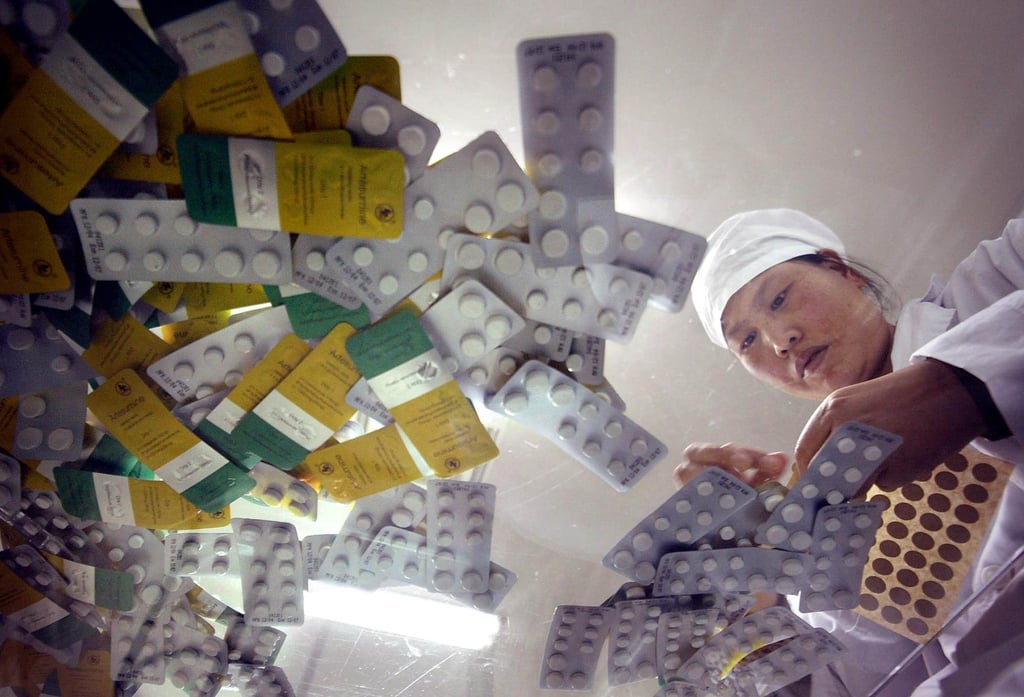
Chinese pharmaceutical firms are also expanding production in Africa.
Fosun Pharma is building a plant in Ivory Coast to make antimalarials and antibiotics, while Jiangsu Aidea Pharma and PharmaBlock Sciences (Nanjing) are working with Nigerian drug maker Fidson Healthcare to build an antiretroviral plant.
Tang said China and India should invest in African production, technology transfer, workforce development and regulatory capacity, while African governments and international procurement organisations should help local manufacturers to meet quality standards and become commercially viable.
Huang said newer African manufacturers still needed imported ingredients, skilled workers and financing. “Overall gains depend on quality safeguards and support for regional capacity,” he said.
African companies are also beginning to produce antimalarials, but Yadav said they might be hurt in the price competition between China and India.
“In this market, with Indian and Chinese firms dominating, who will undertake R&D for future antimalarials?” he said.
KioskNews shows a cleaned-up reading view extracted from the publisher’s page — the original always lives on their site, not ours.